
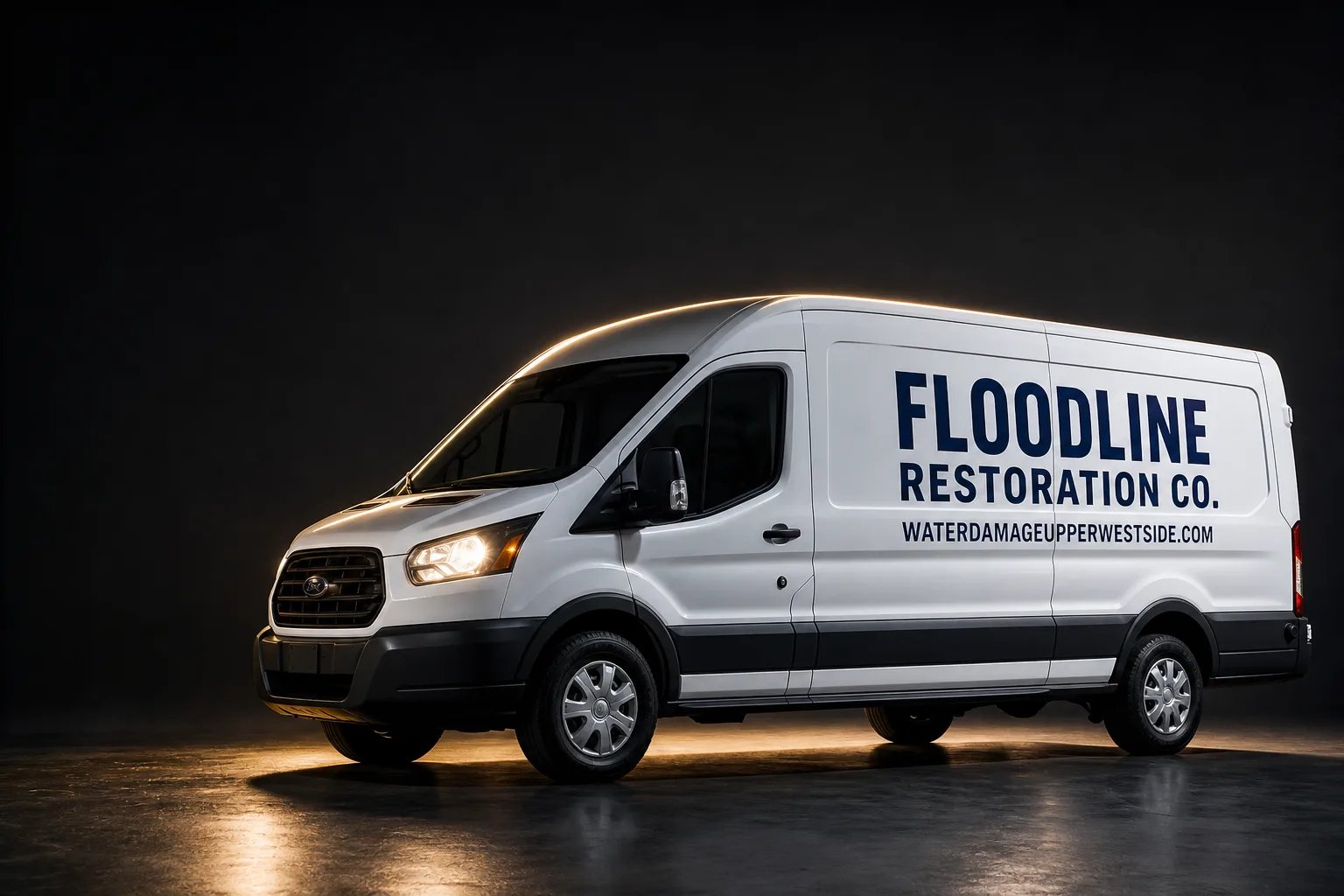
Free visual inspection and a written scope of work before any mitigation begins - photos, moisture readings, and drying logs go in your claim file
The scope we write is the scope we bill. Anything new gets shown to you, in writing, before we touch it.
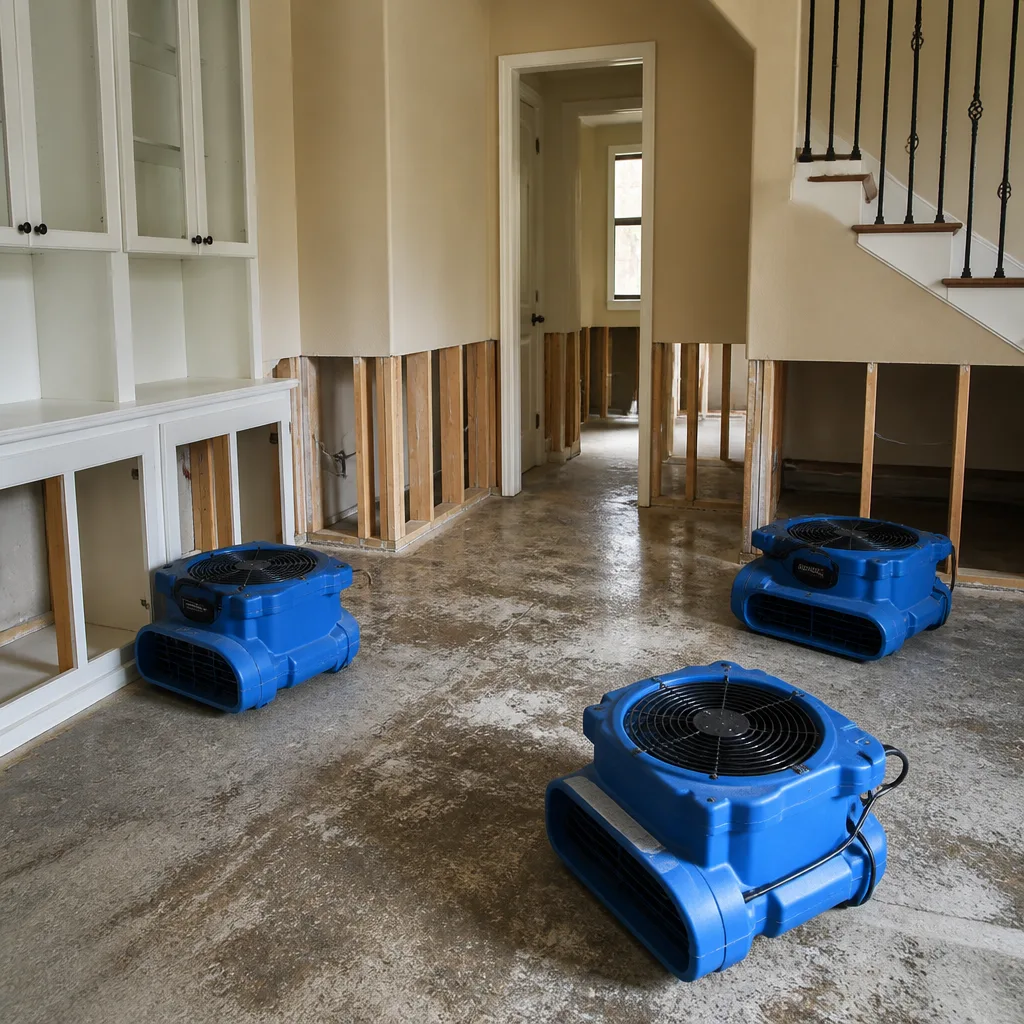
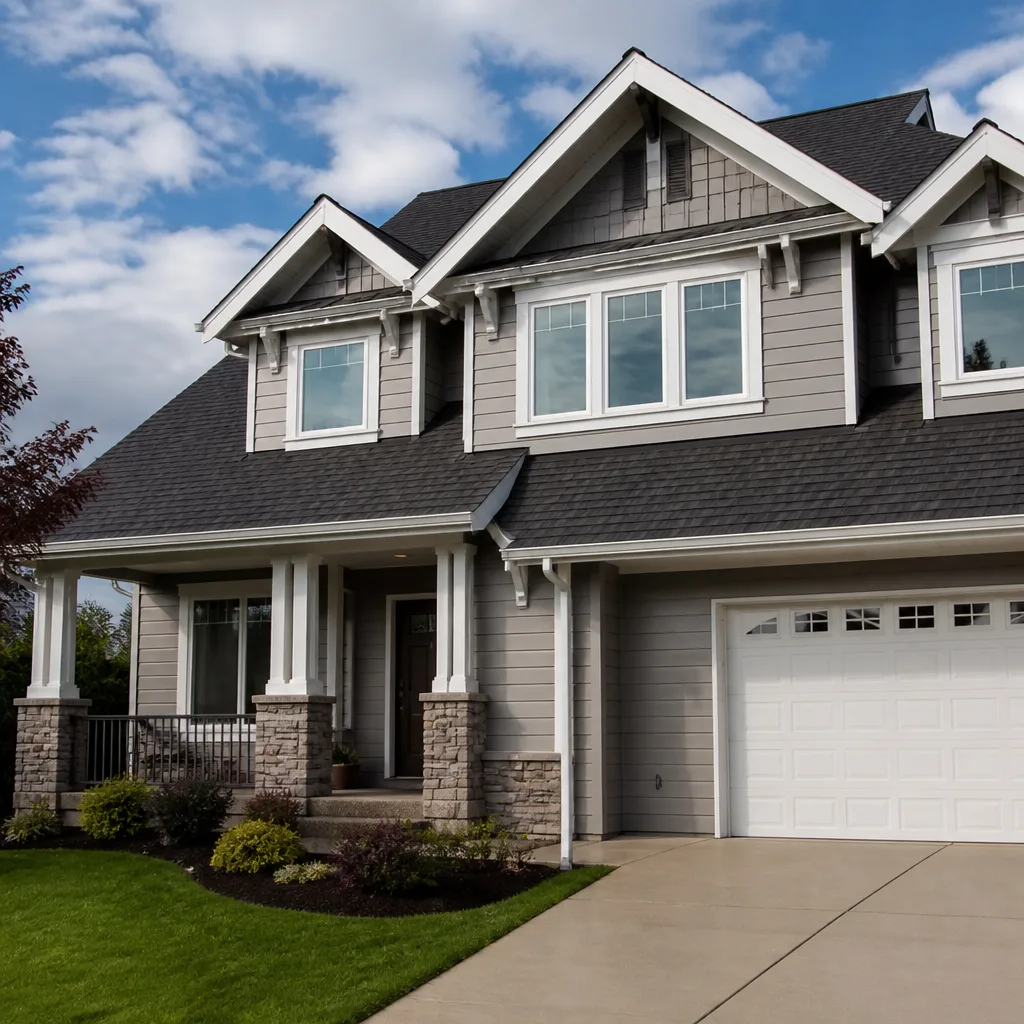
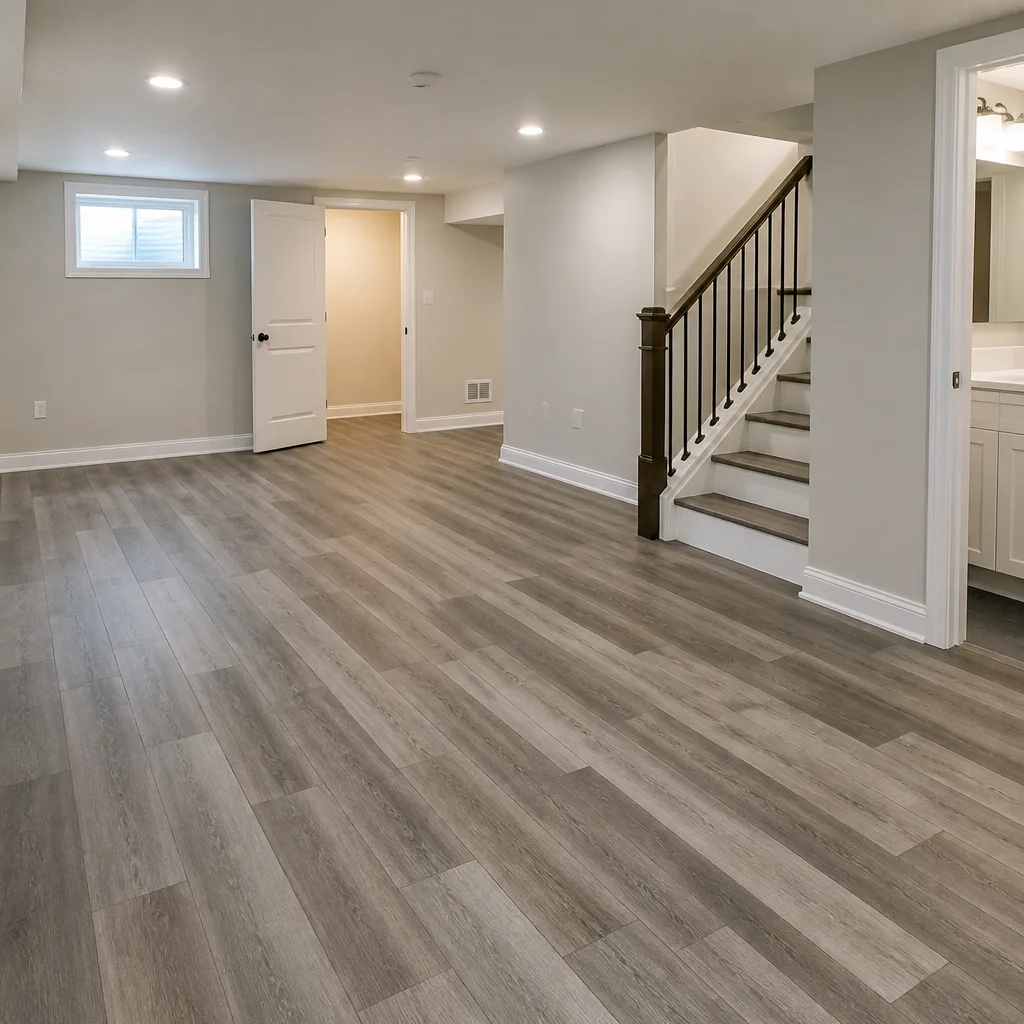
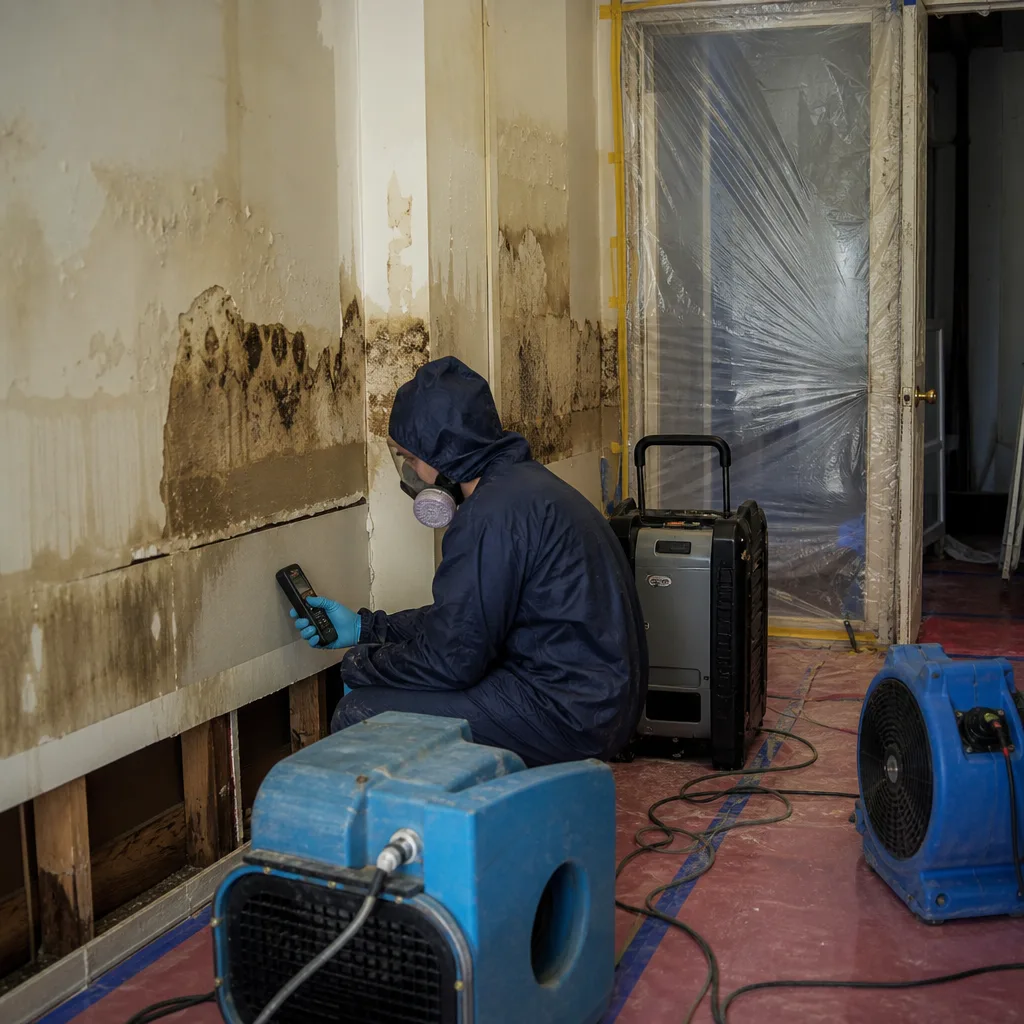 Before
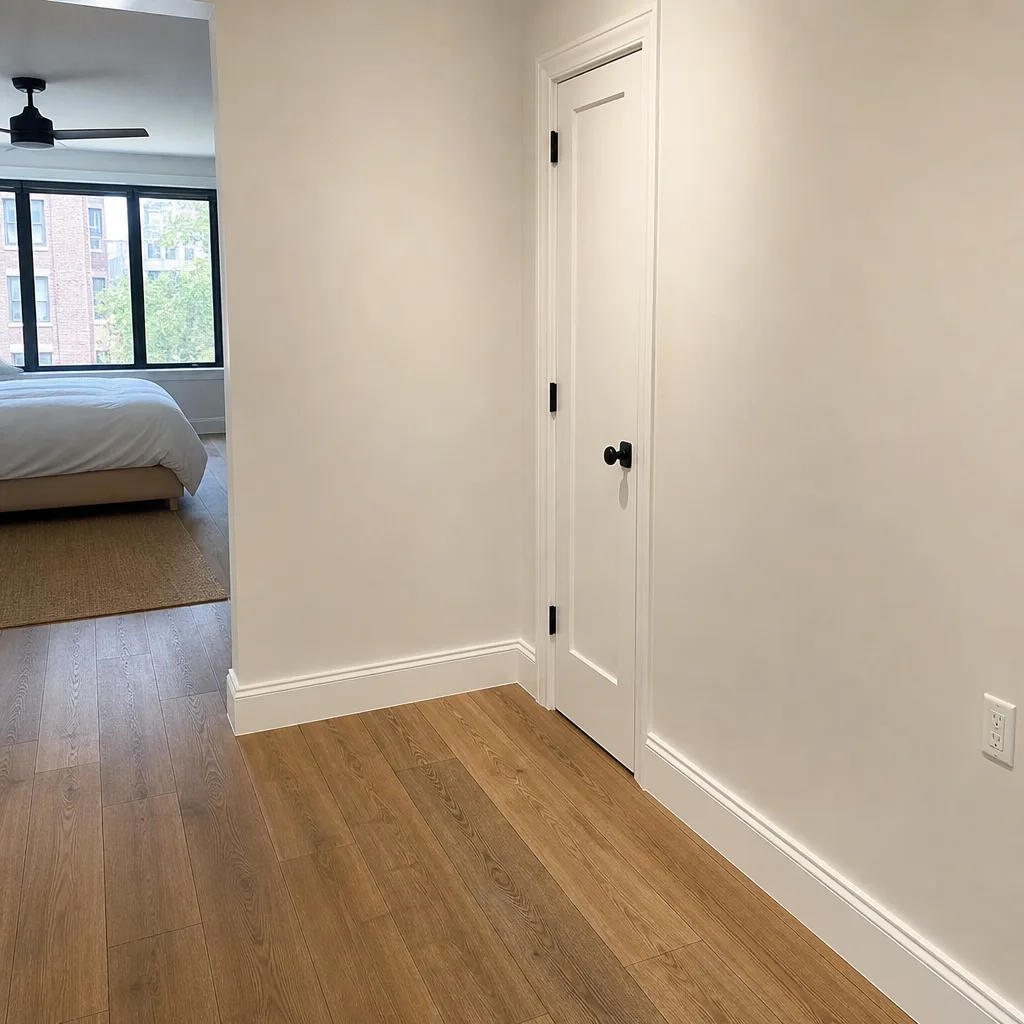 After
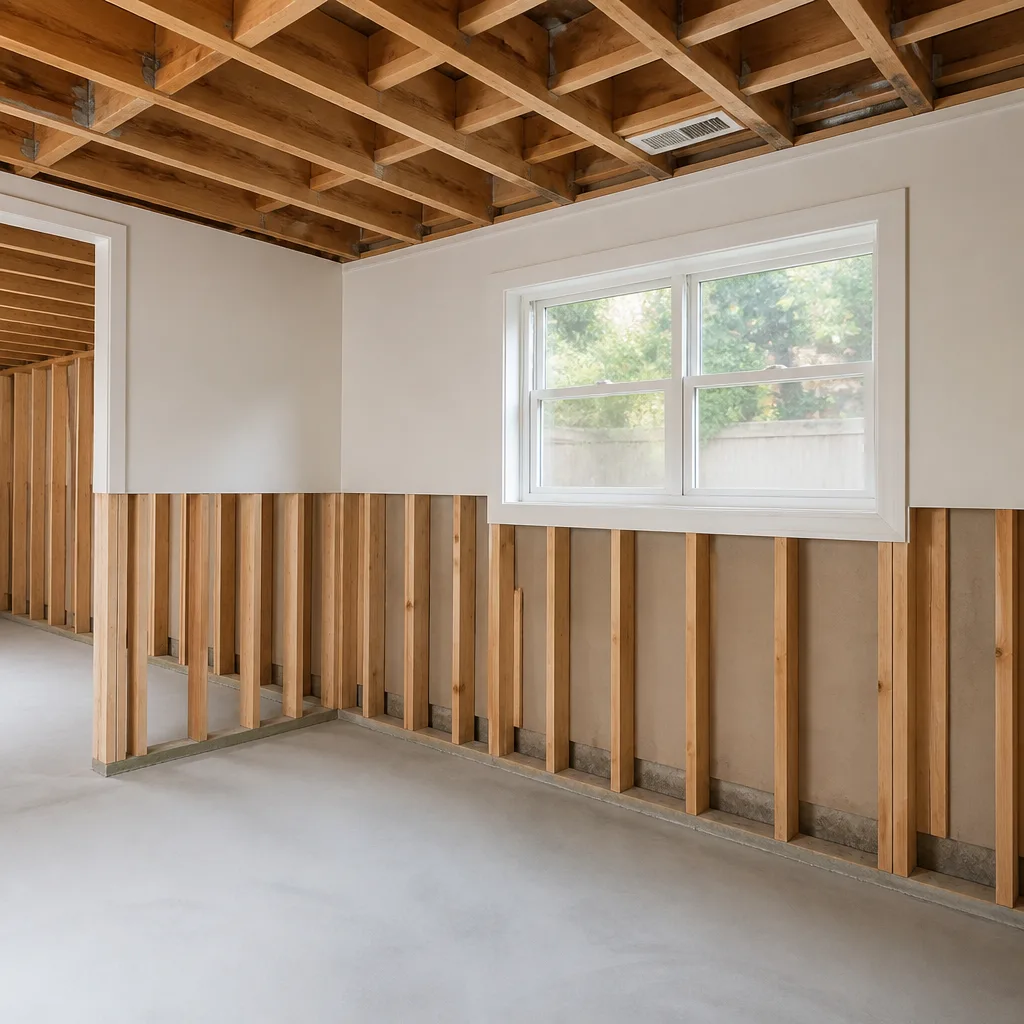
After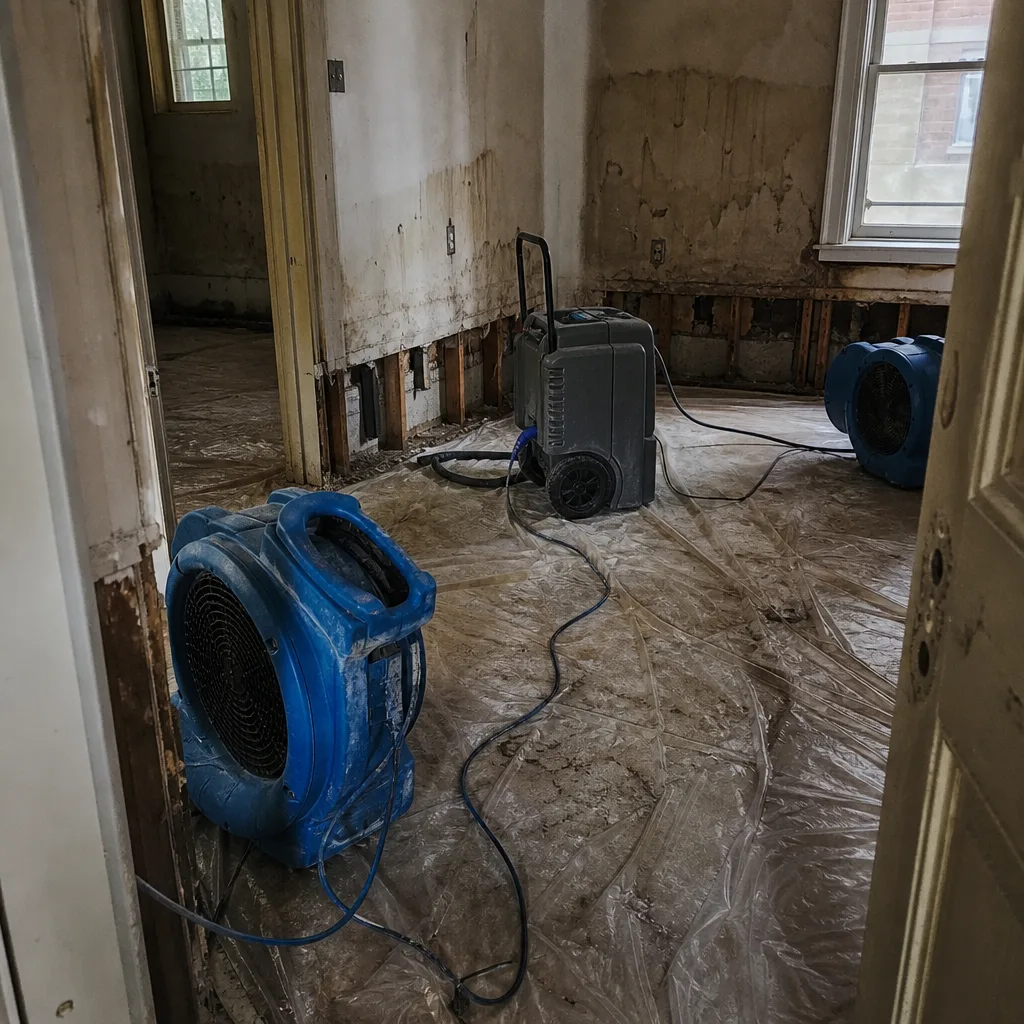 Before
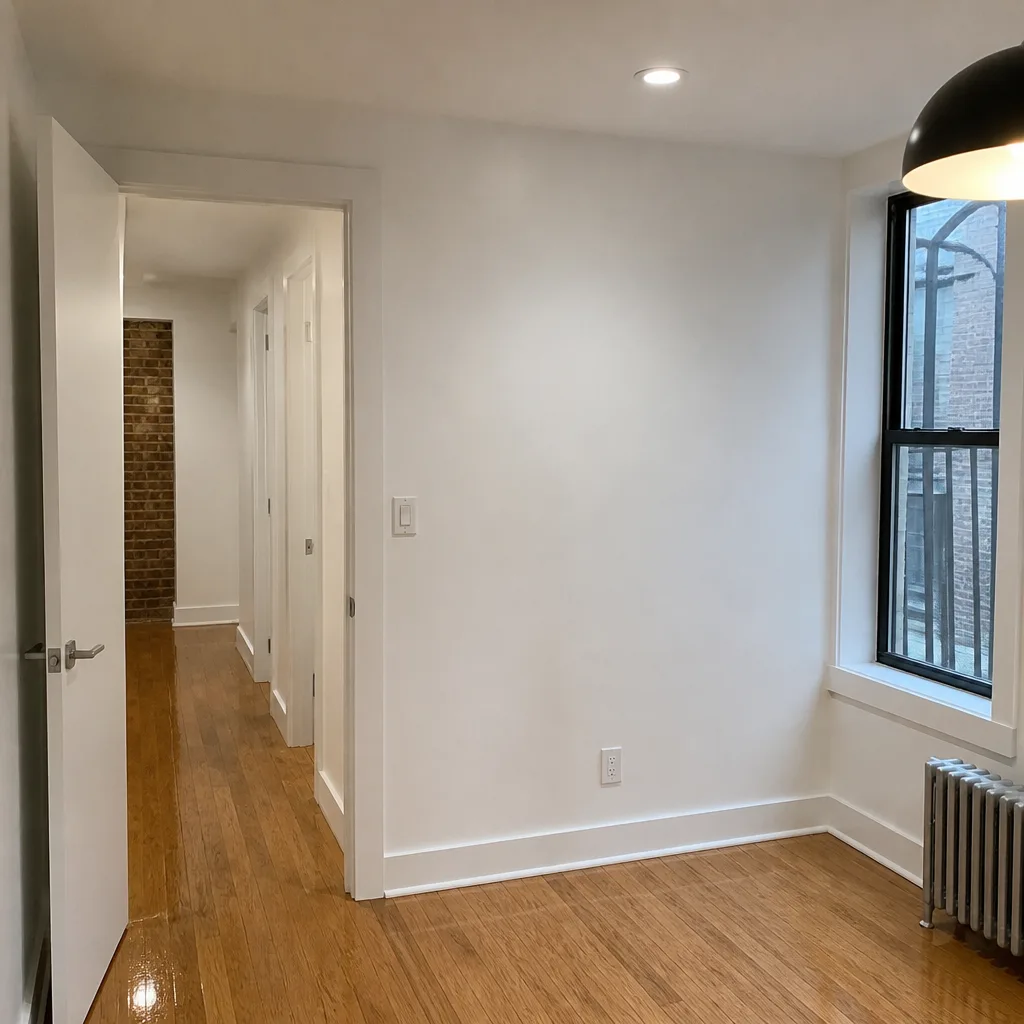 After
After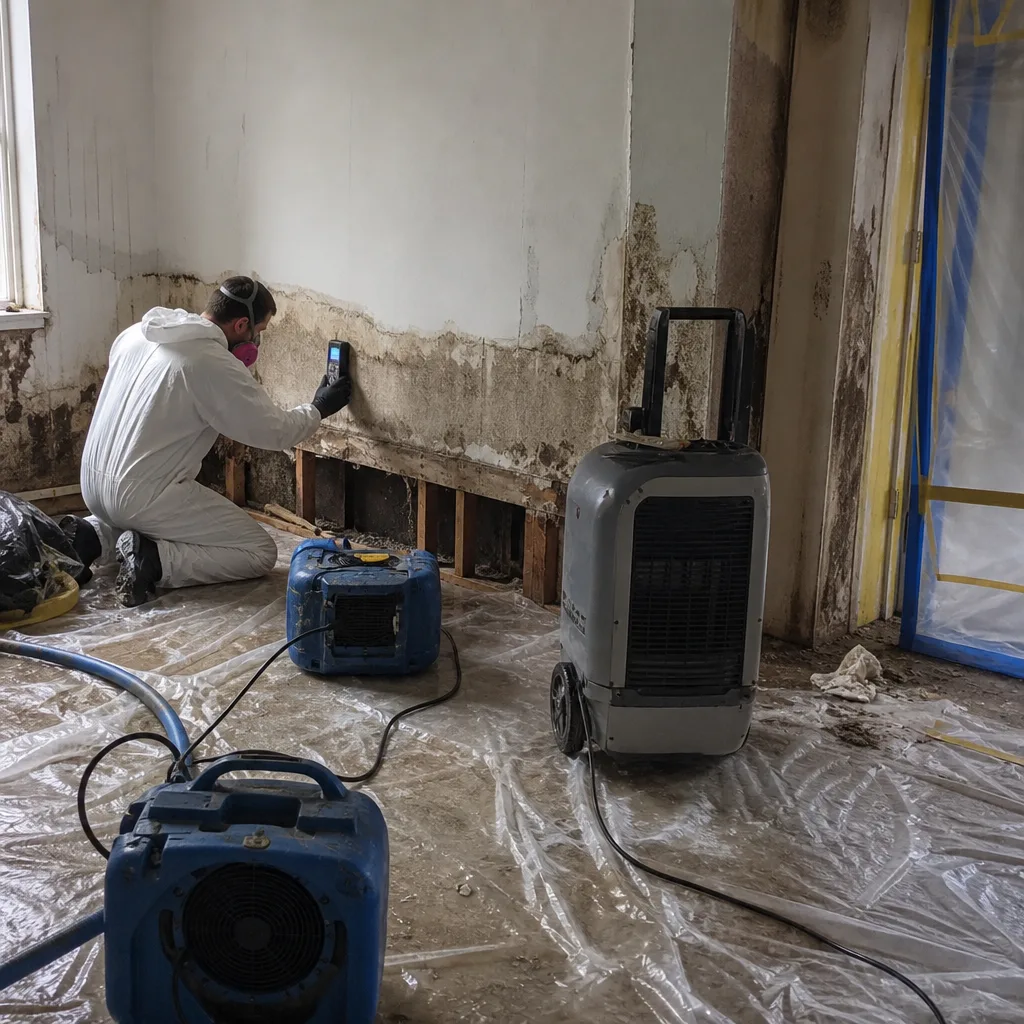 Before
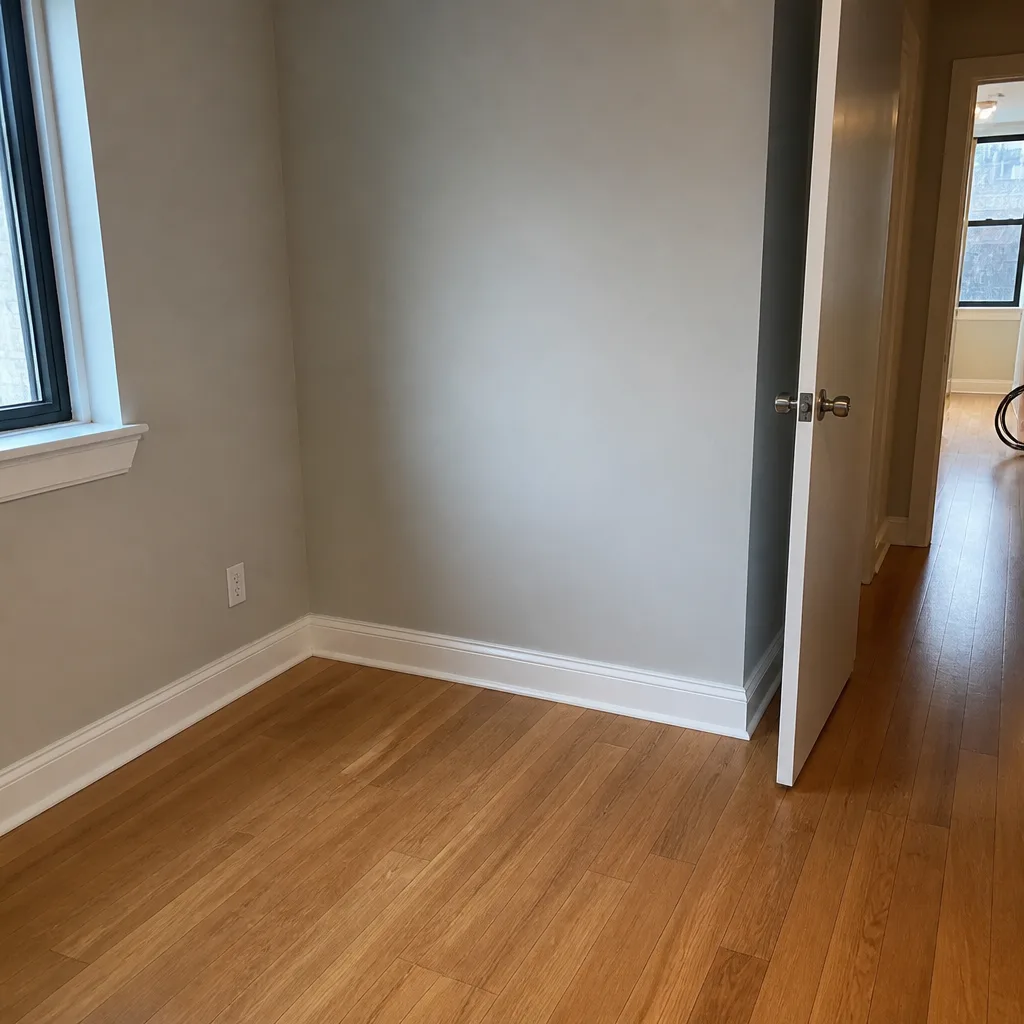 After
After24/7 Emergency Sewage Cleanup in Midtown Manhattan
When a sewage backup hits a Midtown Manhattan high-rise, the first call should be to a crew that knows the freight-elevator schedules, the building management protocols, and the clock you’re racing against. Floodline Restoration Co. answers live at (845) 305-5737, 24 hours a day, every day. We dispatch certified technicians into Midtown Manhattan immediately, run a free visual inspection, and start extraction the same visit. Category 3 water from a burst sanitary line or toilet overflow doesn’t wait, and neither do we.
Midtown Manhattan buildings pose a specific problem: access. Class A towers limit restoration crews to narrow freight-elevator windows, often 6 to 8 a.m. or after 6 p.m., and require proof of insurance listing the building owner as additional insured before equipment crosses the lobby. Every hour a sewage backup sits, contamination spreads deeper into subflooring, drywall, and adjacent tenant suites. A backed-up line in one floor’s restroom can migrate through shared chases and HVAC plenums to floors above and below within a single evening. We get the containment up fast, because in a 40-story tower, the difference between one affected tenant and twelve is measured in hours.
Our Sewage Cleanup team carries professional-grade Dri-Eaz and Phoenix equipment into Midtown Manhattan jobs daily. We know the buildings, the building managers, and what it takes to get inside before the damage multiplies.
Understanding Sewage Cleanup Severity in Midtown Manhattan Properties
Sewage cleanup is Category 3 water work. That means the water contains pathogens, bacteria, and solid waste, and every porous surface it touches either gets removed or professionally sanitized. In Midtown Manhattan’s building stock, that severity compounds fast. A 1920s steel-frame tower near Rockefeller Center still runs original cast iron waste risers. When one of those fails, the sewage doesn’t pool in a basement like it would in a suburban house. It flows down through floor penetrations, around pipe chases, and into ceiling cavities that have been accumulating decades of dust, asbestos-containing plaster, and tenant build-out materials.
Midtown’s 1960s and 1980s curtain-wall office towers have their own failure patterns: PVC and copper drain lines that were installed when the buildings went up are now 40 to 60 years old, and joints fail under constant thermal cycling from Con Edison’s district steam system running beneath Midtown streets. A toilet overflow on the 31st floor can saturate the 30th floor’s ceiling before anyone notices the staining. That’s why our crews run moisture mapping with thermal imaging and hygrometers on every sewage job, not just a visual walkthrough. We find the water that traveled, not just the water you can see.
Pre-1980 construction adds a regulatory layer that doesn’t exist elsewhere. Disturbing original floor tiles, ceiling plaster, or pipe insulation to reach sewage-damaged material triggers mandatory NYC DEP-licensed asbestos testing before drying or rebuilding can begin. We flag that early and coordinate the abatement, so the job doesn’t stall waiting on a clearance report.
Why Midtown Manhattan Property Owners Choose Floodline Restoration Co.
- 45-minute rapid response commitment. We dispatch crews into Midtown Manhattan within 45 minutes of your call, with equipment loaded and running. In a high-rise, that speed means containment goes up before contamination spreads to the next tenant.
- 24/7 live answer, always a person. You call (845) 305-5737 at 2 a.m., you get a live dispatcher. Not a recording, not a callback queue. We’ve run our dispatch board that way since Curt Bowman founded the company in 2010.
- IICRC-certified crews trained to WRT and AMRT standards. Every technician is background-checked, uniformed, and trained to IICRC, RIA, and IFA standards. Sewage work requires water restoration and applied microbial remediation protocols, and our people hold both.
- Free visual inspection with a written scope. Before any work begins, you get a plain-language assessment of what’s contaminated, what’s salvageable, and what it will cost. No surprises on the bill, ever.
- Direct insurance billing. We bill your carrier directly and document everything from the first hour: photos, moisture readings, drying logs, and line-item scopes. You never play messenger between us and your adjuster.
- One team from extraction to reconstruction. The same Floodline crew that extracts the sewage, dries the structure, and sanitizes the space also rebuilds what needed to come out. No mid-job handoff to an unknown subcontractor.
Our Sewage Cleanup Process
1. Inspection & Assessment
We arrive, don full PPE, and map the contamination. Using thermal imaging cameras and moisture meters, we trace how far the Category 3 water traveled through walls, floors, and ceiling cavities. In a Midtown high-rise, that means checking adjacent tenant spaces and the floors directly below.
2. Extraction & Stabilization
We extract standing sewage using professional-grade truck-mounted and portable extraction units. In high-rise settings, we use portable Dri-Eaz and Phoenix equipment sized for freight elevators. Containment barriers go up immediately to isolate affected suites from shared lobbies and HVAC returns.
3. Drying & Dehumidification
Air movers and dehumidifiers run on a documented drying plan. We take daily moisture readings and log them for your insurer. In pre-war buildings, we monitor humidity against the building’s original plaster and wood lath, which dry at different rates than modern gypsum.
4. Cleaning & Sanitization
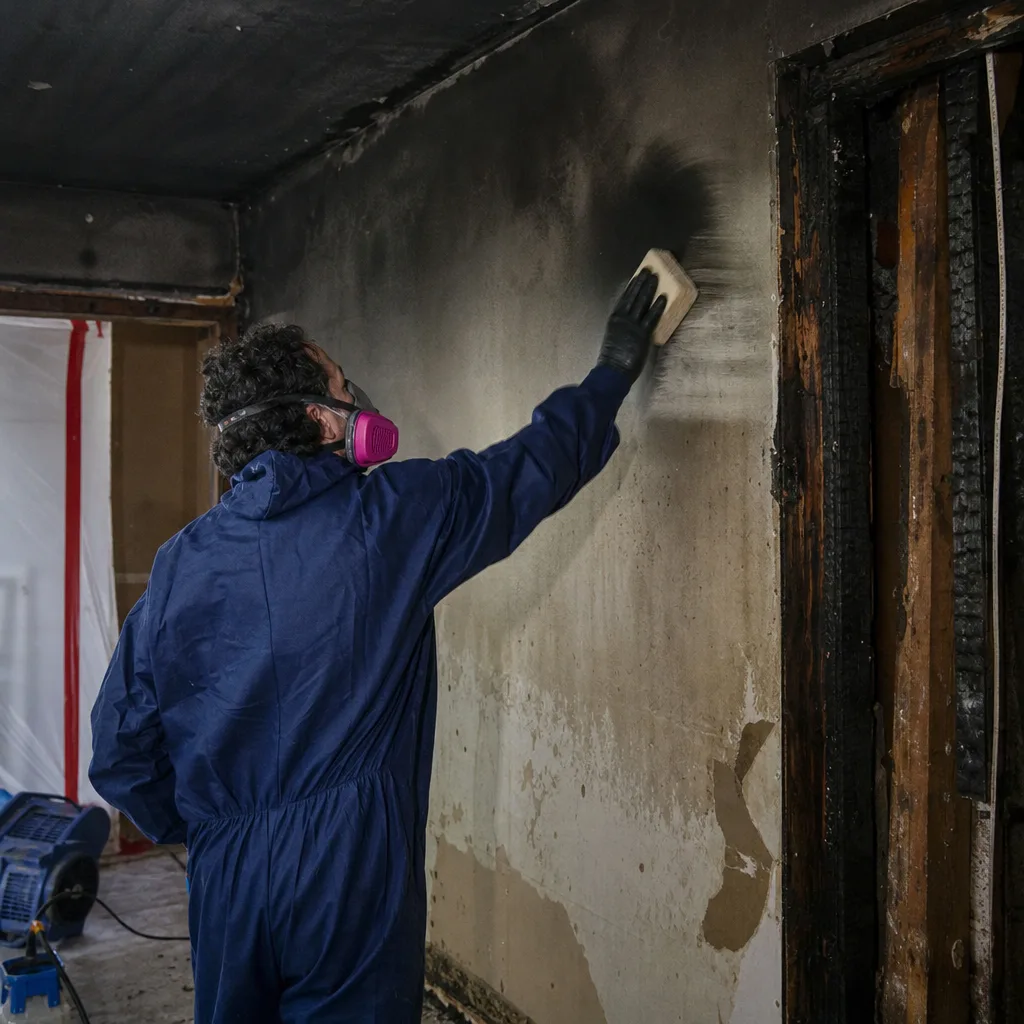
We remove sewage-contaminated porous materials: carpet, carpet pad, drywall, insulation, and ceiling tiles. Non-porous surfaces get cleaned and disinfected with EPA-registered antimicrobials. We HEPA-vacuum and air-scrub the affected space to remove airborne contaminants.
5. Sewage-Specific Treatment
After sanitizing, we address what the sewage touched that you can’t see: pipe chases, floor penetrations, electrical boxes, and the inside of the waste line itself. We coat accessible framing with an antimicrobial sealer and run clearance testing on air and surface samples before rebuilding starts.
6. Repairs & Restoration
The same Floodline crew rebuilds what came out: drywall, flooring, cabinetry, paint, and trim. If pre-1980 materials were disturbed, we coordinate the asbestos abatement and reinspection before reconstruction begins. You get your space back in pre-loss condition, with the 90-Day Done Right Promise in writing.
Need Emergency Sewage Cleanup in Midtown Manhattan Now?
Crews minutes away, answering live 24 hours a day. The sooner we start, the less it costs.
Working With Your Insurance Company
Sewage backups in Midtown Manhattan are almost always an insurance conversation. Your policy may cover the water damage, the sewage cleanup, or both, depending on the cause and your endorsements. Floodline Restoration Co. handles the carrier side from the first hour. We photograph every affected area room by room, log moisture readings daily, and prepare a line-item scope of work in industry-standard Xactimate format. When three different commercial tenants and three different adjusters are involved, which happens routinely in Midtown towers, we coordinate them all. You don’t relay messages or argue over line items. We bill the carrier directly, and we stand behind the work with our 90-Day Done Right Promise in writing. A square deal means no surprises on the bill, and no homeowner or building manager playing project manager.
What We Provide Your Insurer
- Thorough documentation of the loss
- Photos of all damage, room by room
- Moisture readings and drying logs
- A detailed, line-item scope of work
- Direct coordination with your carrier
Built for Midtown Manhattan’s Loss Calendar
Midtown Manhattan’s sewage backup season follows its own calendar, and it’s tied to the district steam system, the freeze-thaw cycle, and the age of the pipe. Deep freezes in January and February stress old cast iron waste lines as the ground contracts and building frames shift. When a 90-year-old riser joint separates behind a wall on 34th Street, sewage escapes slowly at first, then all at once. Spring brings the opposite problem: snowmelt and heavy rain overload the combined storm-sanitary sewers under Midtown, and backflow events push Category 3 water up through floor drains in basements and sub-basements. Summer thunderstorms dump an inch of rain in 20 minutes on streets like Seventh Avenue, and the sewer system simply can’t take it. Fall keeps us busy with toilet overflows in older pre-war buildings where original fixtures still run on galvanized supply and waste lines. Year-round, Midtown’s commercial kitchens and restrooms run at capacity, and that constant load finds the weak joint eventually.
Con Edison’s district steam mains run directly under Midtown streets. The 2007 steam pipe explosion near 41st and Lexington forced building evacuations and left interiors coated with contaminated condensate. While sewage backups are a different beast, the lesson is the same: Midtown’s underground infrastructure is old, heavily loaded, and intertwined with the buildings above it in ways you don’t see until something fails.
Sewage Cleanup Across Midtown Manhattan’s Neighborhoods
Midtown Manhattan isn’t one place. It’s a patchwork of building vintages, tenant mixes, and access conditions that change block by block. Around Bryant Park and the Avenue of the Americas corridor, you’re dealing with Class A trophy towers where building management requires insurance certificates before a single air mover enters the lobby, and freight-elevator windows run tight. We schedule around those windows and have crews pre-staged nearby during business hours. In the Garment District west of Seventh Avenue, older loft buildings and mixed-use properties share drain lines between commercial floors and residential units above, which means a backup on the eighth floor can affect seven commercial tenants and a dozen apartments in one event. Near Columbus Circle, pre-war co-ops and condos have their own boards and house rules, and we coordinate directly with property managers who know us by name. Down in Murray Hill and Kips Bay, the mix of 1920s walk-ups and 1960s high-rises means every job starts with an asbestos check on the materials we’ll disturb. We know the blocks, the buildings, and the people who run them.
When a sanitary line in a 1930s office tower near Times Square backed up into a full-floor law firm, we ran containment across the affected suites after hours, set Dri-Eaz and Phoenix air movers on drying logs, and coordinated with three adjusters to bring damaged case files and carpet to pre-loss condition before the 6 a.m. freight-elevator window closed. That’s what sewage cleanup in Midtown Manhattan actually looks like. It’s logistics and containment as much as extraction and drying.
Floodline Restoration Co. is built for Midtown Manhattan work. Live dispatch, certified crews, and the equipment to run a full mitigation inside a freight elevator’s weight limit.
Specialized Sewage Cleanup Services We Offer in Midtown Manhattan
Sewage Backup Cleanup
When a sanitary line backs up in a Midtown Manhattan high-rise, we isolate the affected suites, extract the Category 3 water, and sanitize every surface the backup touched. In multi-tenant buildings, we run containment across shared elevator lobbies and HVAC plenums to keep contamination from spreading to adjacent commercial tenants. Most Midtown sewage backups are manageable within one visit when we’re called in the first few hours.
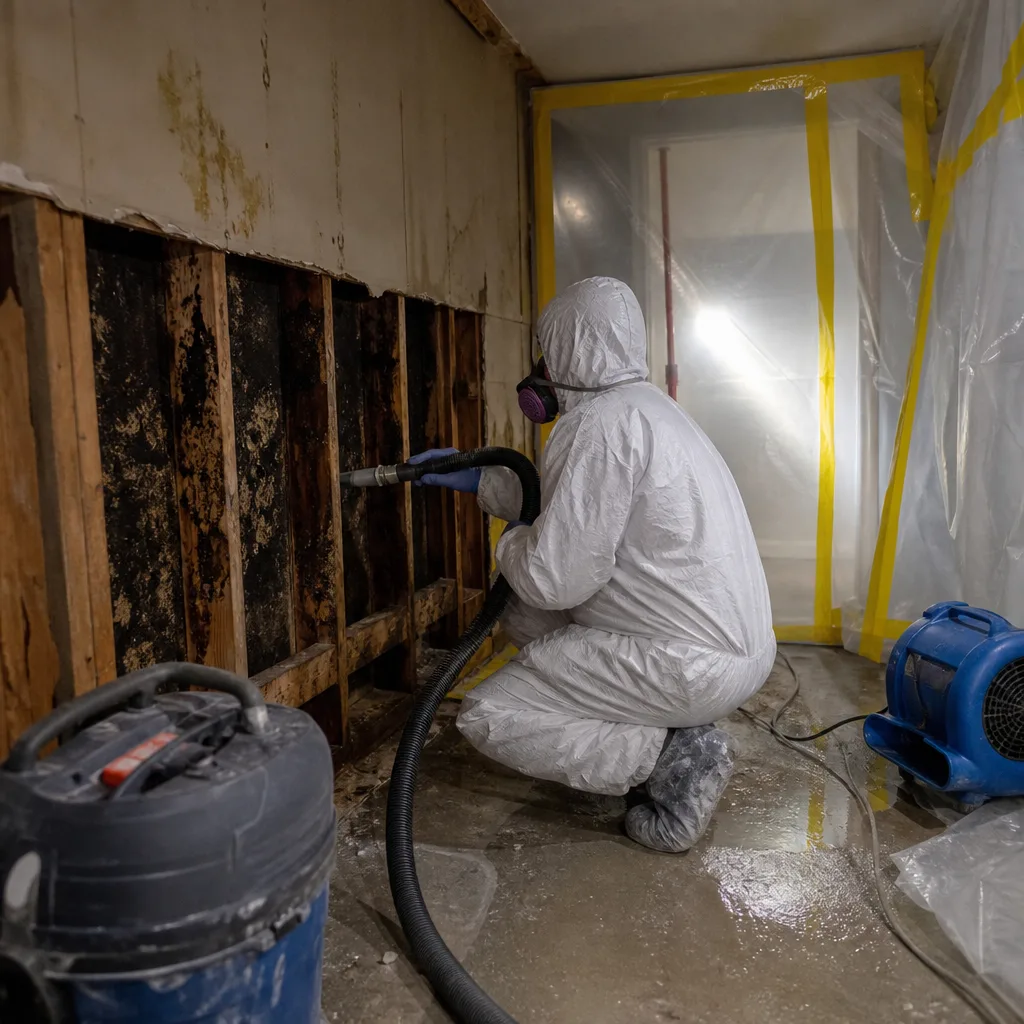
Black Water Extraction
Black water is the most dangerous class of water damage. It contains human waste, bacteria, and pathogens, and it requires full PPE, HEPA air scrubbing, and aggressive extraction. We run professional-grade extraction units through Midtown’s freight elevators and service entrances, and we document every reading for your insurer. No shortcuts on black water, ever.
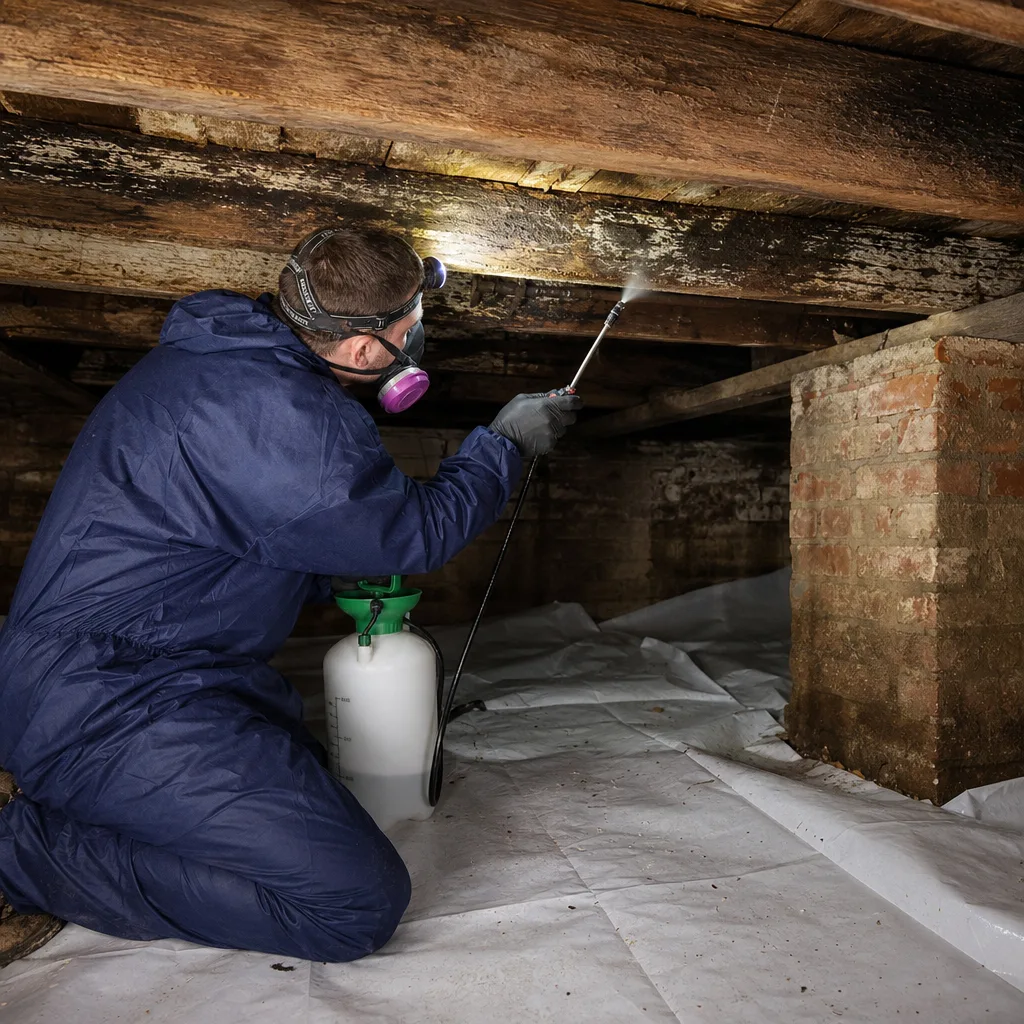
Sanitization & Disinfection
After extraction, the sanitization phase is what makes a space safe to reoccupy. We use EPA-registered antimicrobials on every non-porous surface and HEPA-vacuum the entire affected area. In pre-war Midtown buildings, we also test and monitor air quality before and after cleaning, because the building’s original plaster and wood lath hold moisture and contaminants differently than modern drywall. Clearance testing confirms the space is safe before rebuilding begins.
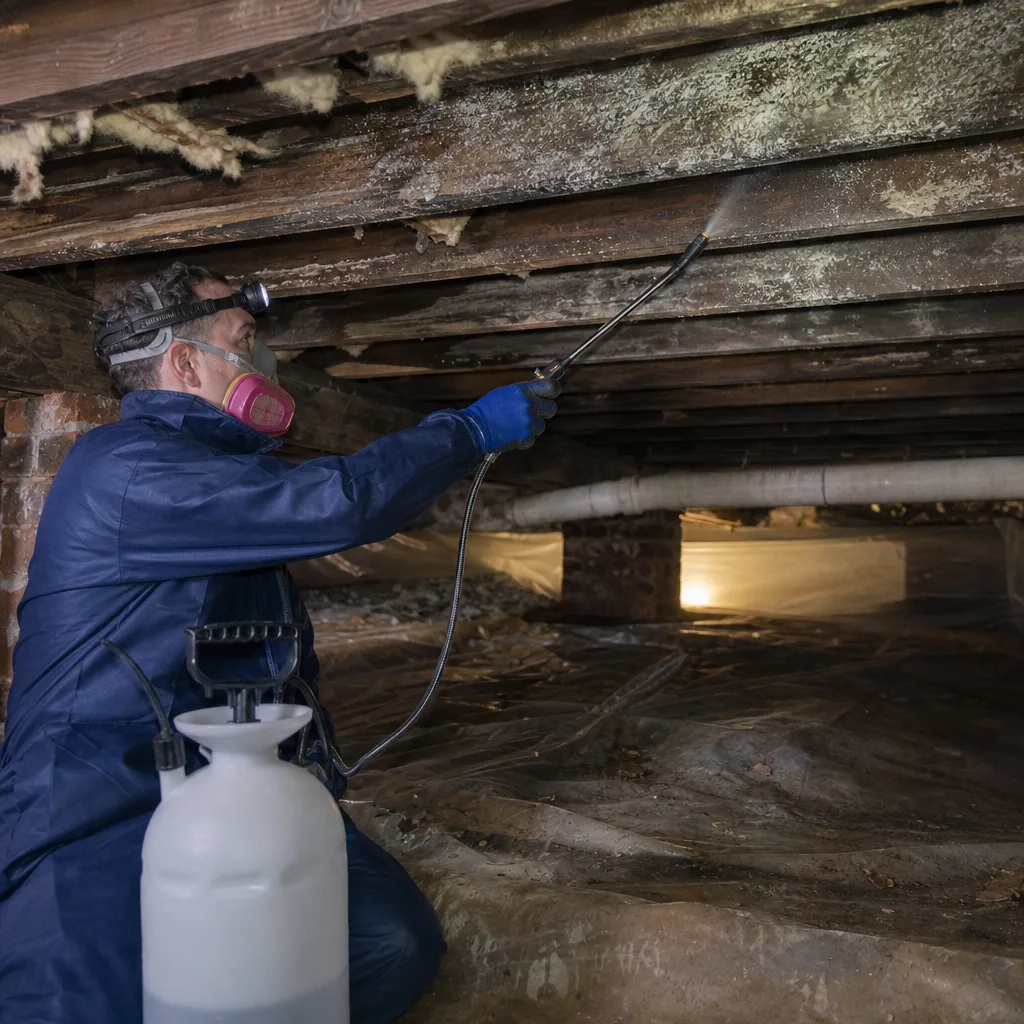
Toilet Overflow Cleanup
A toilet overflow in a Midtown office tower or residential condo can saturate the ceiling of the unit below within hours. We extract, dry, and sanitize quickly, and we coordinate with building management to access the affected floor and the floor below. If the building is pre-1980, we flag any materials that will trigger asbestos testing before we cut in.
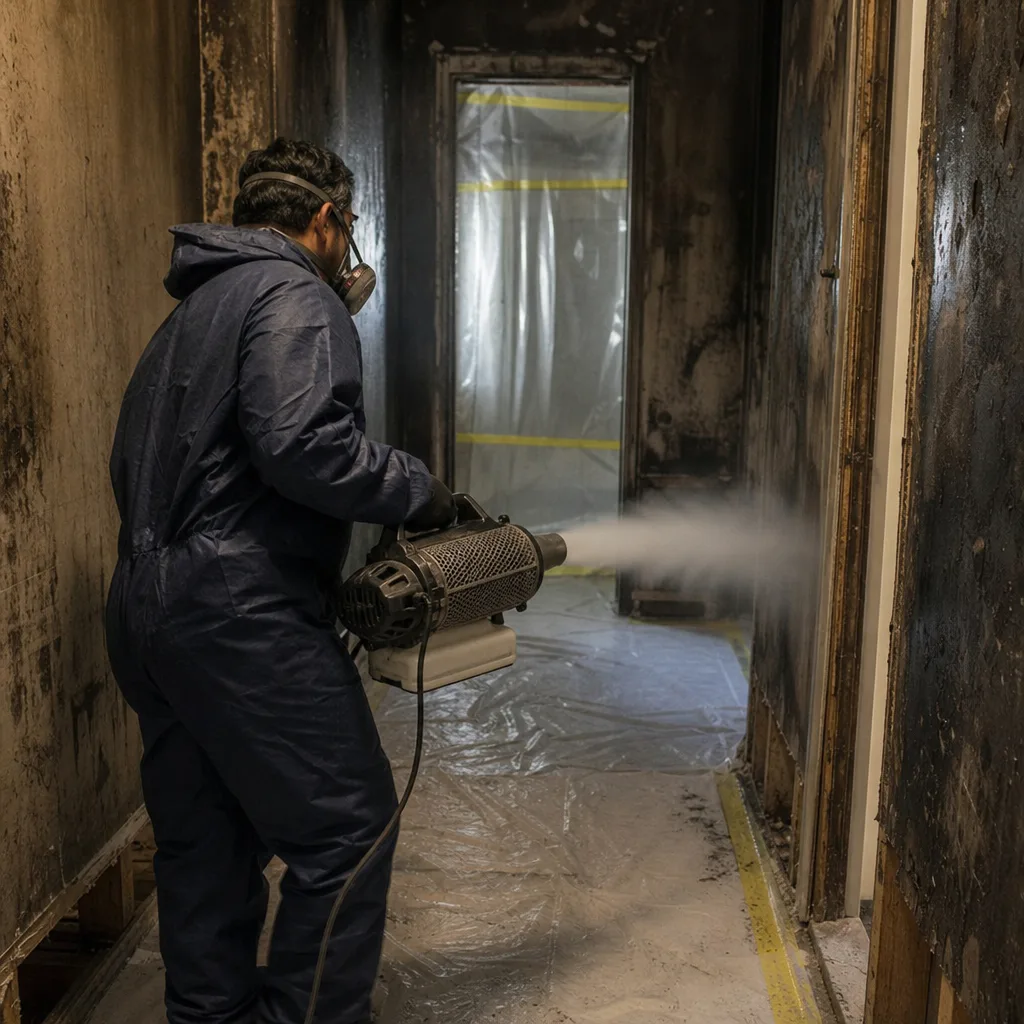
Septic Failure Cleanup
While Midtown Manhattan runs on municipal sewer, some older properties and commercial kitchens have private grease traps or septic holding tanks that fail and back up. We handle those cleanups with the same Category 3 protocols: containment, extraction, sanitization, and documentation. If the failure is in a sub-basement or crawl space, we bring in confined-space protocols and air monitoring.
What happens when you call
- 1
A real person answersNo phone trees - you reach a local pro.
- 2
You get an upfront price rangeHonest numbers before anyone is dispatched.
- 3
A background-checked tech heads outLicensed & insured, dispatched right away.
- 4
You approve before work beginsNothing starts until you say go.
Sewage Cleanup Costs in Midtown Manhattan, NY
Sewage cleanup in Midtown Manhattan runs higher than the outer boroughs, and the reasons are structural. A Category 3 sewage backup in a residential or commercial unit typically runs $2,800 to $7,500 for extraction, drying, sanitization, and basic repairs. In Class A high-rise settings with multi-tenant containment, freight-elevator scheduling, and after-hours access, the same scope can run $8,000 to $18,000. When pre-1980 materials are disturbed and NYC DEP-licensed asbestos abatement is required, add $3,000 to $12,000 depending on the square footage and material type. Insurance covers most of these costs when the backup is sudden and accidental, but every carrier handles sewage differently, and some cap coverage for backup events. The free visual inspection is the path to a firm, written scope. Call (845) 305-5737 and we’ll tell you what you’re actually looking at, in plain numbers, before any work starts.
We Also Serve Cities Near Midtown Manhattan
Floodline Restoration Co. runs crews throughout Manhattan and the surrounding area. We provide the same 24/7 live dispatch and certified sewage cleanup to the Upper West Side, Upper Manhattan, Morningside Heights, and Central Harlem. If you own or manage property near Midtown Manhattan, call us and we’ll get a crew to you the same day.
Serving Midtown Manhattan, NY - Our Local Coverage Area
We’re based in the Midtown Manhattan area and know this community well. Use the map below to see our service coverage - if you’re nearby, we can almost certainly help.
Midtown Manhattan Sewage Cleanup Questions, Answered
How do you handle category 3 water from a sewage backup in a Midtown high-rise when multiple commercial tenants are affected?
We treat every affected suite as its own containment zone, not as one big job. Each tenant’s space gets its own containment barriers, air scrubbers, and drying log. We coordinate with each tenant’s insurer separately and keep the building manager informed throughout. This multi-party approach is standard for us in Midtown Manhattan because every high-rise backup eventually involves multiple carriers, competing adjusters, and building access rules. Call (845) 305-5737 for an exact scope.
Can you dry out sewage-damaged carpet and drywall in a pre-war Midtown tower, or does it all have to come out?
Carpet and carpet pad that have absorbed Category 3 water always come out. No exceptions. Drywall is evaluated by moisture reading and contamination level. In pre-war Midtown buildings, the walls are often original plaster over wood lath, which holds sewage differently than modern gypsum. We salvage what is salvageable and cut out what is not, and we document every decision for your insurer. A written scope tells you exactly what’s coming out before we start.
How quickly can you get a crew into a Class A Midtown office building after a toilet overflow?
Within 45 minutes of your call to (845) 305-5737, our crew is dispatched into Midtown Manhattan. How fast we actually enter the building depends on the building’s freight-elevator window and insurance certificate requirements. Class A towers often restrict crews to 6 to 8 a.m. or after 6 p.m., and they’ll want the building owner named as additional insured before we bring equipment in. We handle that paperwork immediately, and we’ve done it enough times in Midtown that most building managers approve us same-day.
Does a sewage backup in a Midtown building built before 1980 automatically require asbestos abatement?
Not automatically. It only triggers abatement if our scope of work requires disturbing pre-1980 materials like original floor tiles, ceiling plaster, or pipe insulation. If we can dry and sanitize without cutting into those materials, no abatement is needed. If the sewage damage requires removing drywall or flooring that disturbs asbestos-containing materials, then NYC DEP-licensed testing and abatement become mandatory before we proceed. We flag this early in the inspection so it doesn’t blindside you or your insurer.
What’s the difference between a sewage backup and a clean-water pipe break in a Midtown condo?
The difference is Category 3 contamination. A clean-water pipe break is Category 1 water, which is safe to dry and repair in place. A sewage backup is Category 3 water, which carries pathogens and requires removal of porous materials, antimicrobial sanitization, and air scrubbing. In a Midtown condo building, the two events also trigger different insurance language and different mitigation protocols. We handle both, but sewage always gets the full containment and sanitization treatment. Call (845) 305-5737 and we’ll walk you through what yours actually is.
How long does sewage cleanup and drying take in a Midtown Manhattan high-rise?
Most Midtown sewage cleanups are completed within two to five days from extraction to final clearance, depending on the square footage and how far the Category 3 water traveled. Drying alone usually runs 48 to 72 hours with professional-grade Dri-Eaz and Phoenix equipment running continuously. If asbestos abatement or multiple tenant containment is involved, add days for the regulatory steps. We give you a written timeline in the initial scope, and we hit it.
Are your Midtown Manhattan sewage cleanup crews certified?
Yes. Every Floodline Restoration Co. technician is background-checked, uniformed, and certified to IICRC standards for water restoration and applied microbial remediation, as well as RIA and IFA standards. Sewage cleanup requires more than general water damage certification because of the pathogen exposure risk. Our people are trained for that risk and equipped for it.
What should I do in the first 30 minutes after discovering a sewage backup in Midtown Manhattan?
Stop using all water in the affected unit or floor, shut off the water supply if you can access it safely, and call us at (845) 305-5737. Do not attempt to clean raw sewage yourself. Category 3 water contains pathogens that require PPE and professional sanitization. Keep people and pets out of the affected area, and if the backup is near any electrical outlets or equipment, shut off power to that zone if it can be done safely. Then let our crew handle the rest. We’re minutes away in Midtown Manhattan.
Written by Curt Bowman, Owner at Floodline Restoration Co., serving Midtown Manhattan with certified sewage cleanup and full reconstruction since 2010.