
Free visual inspection and a written scope of work before any mitigation begins - photos, moisture readings, and drying logs go in your claim file
The scope we write is the scope we bill. Anything new gets shown to you, in writing, before we touch it.
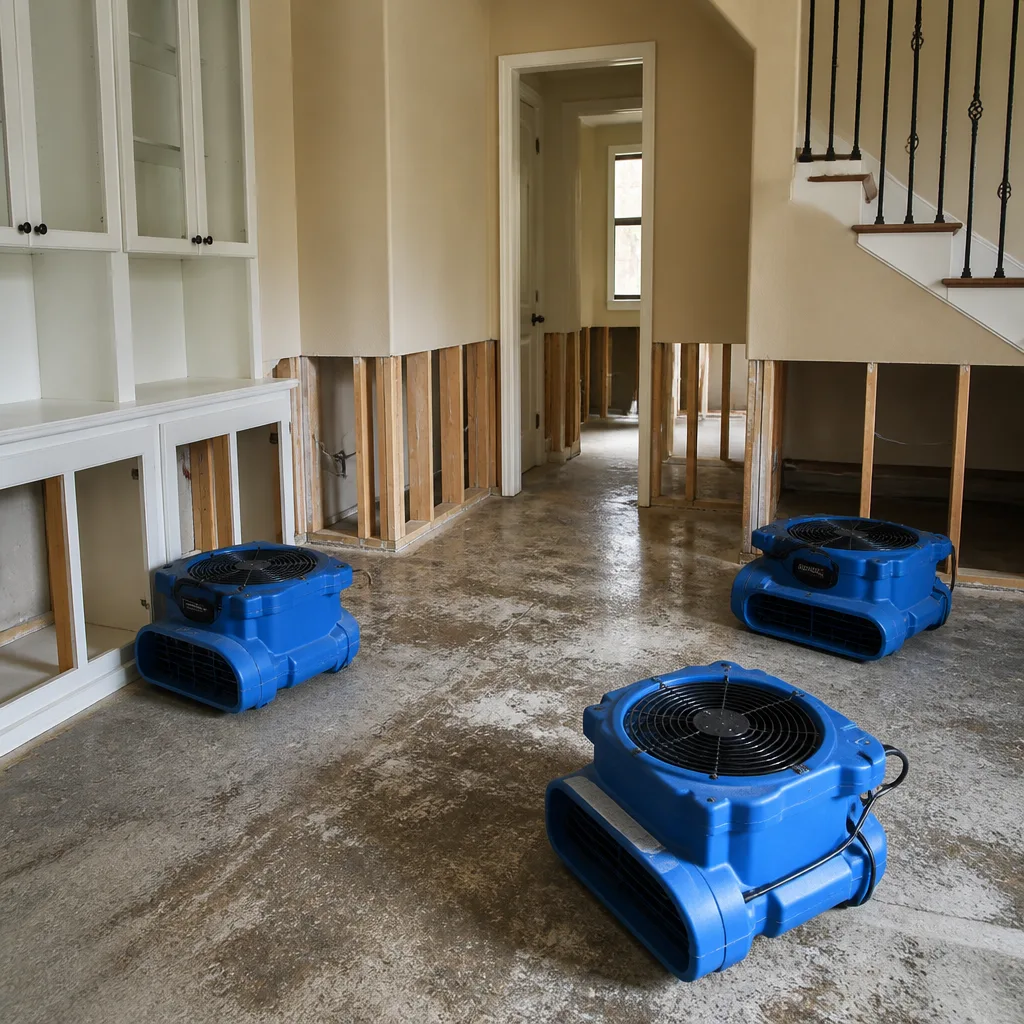
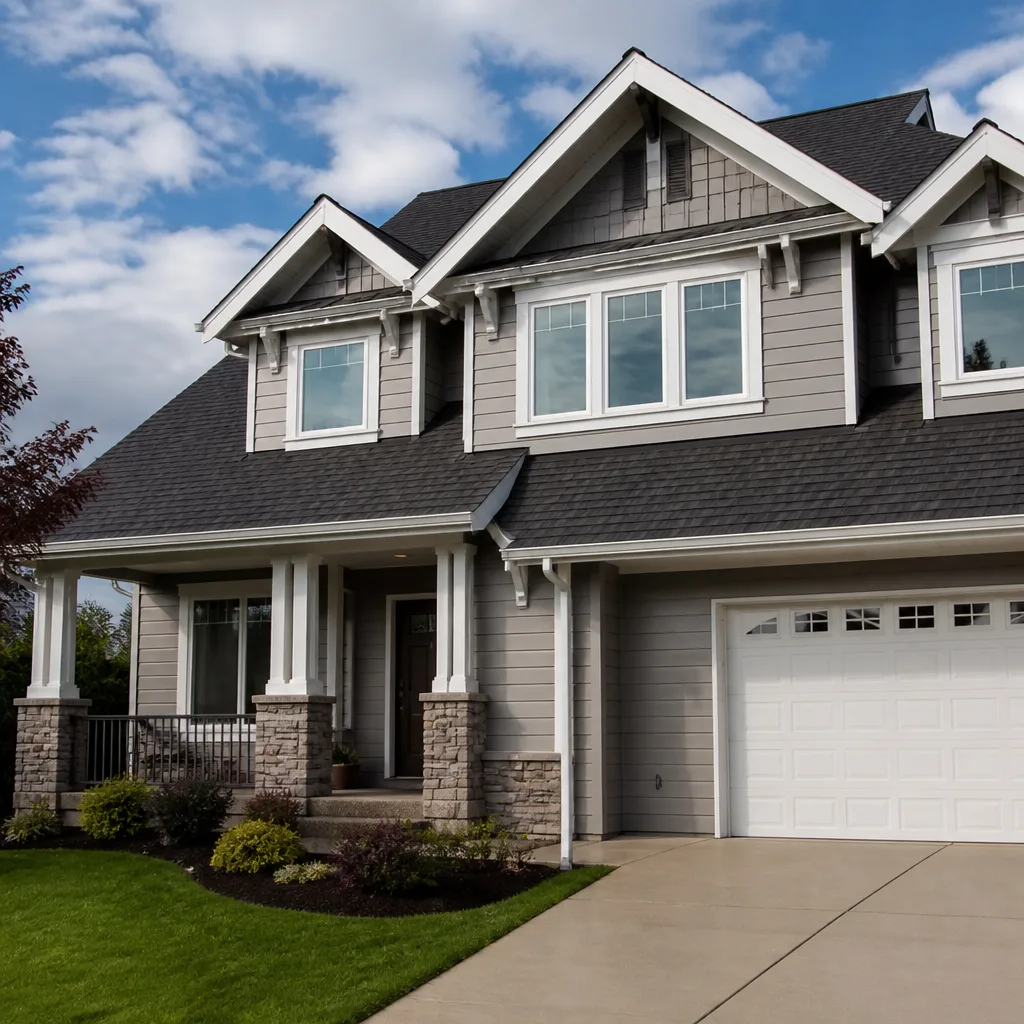
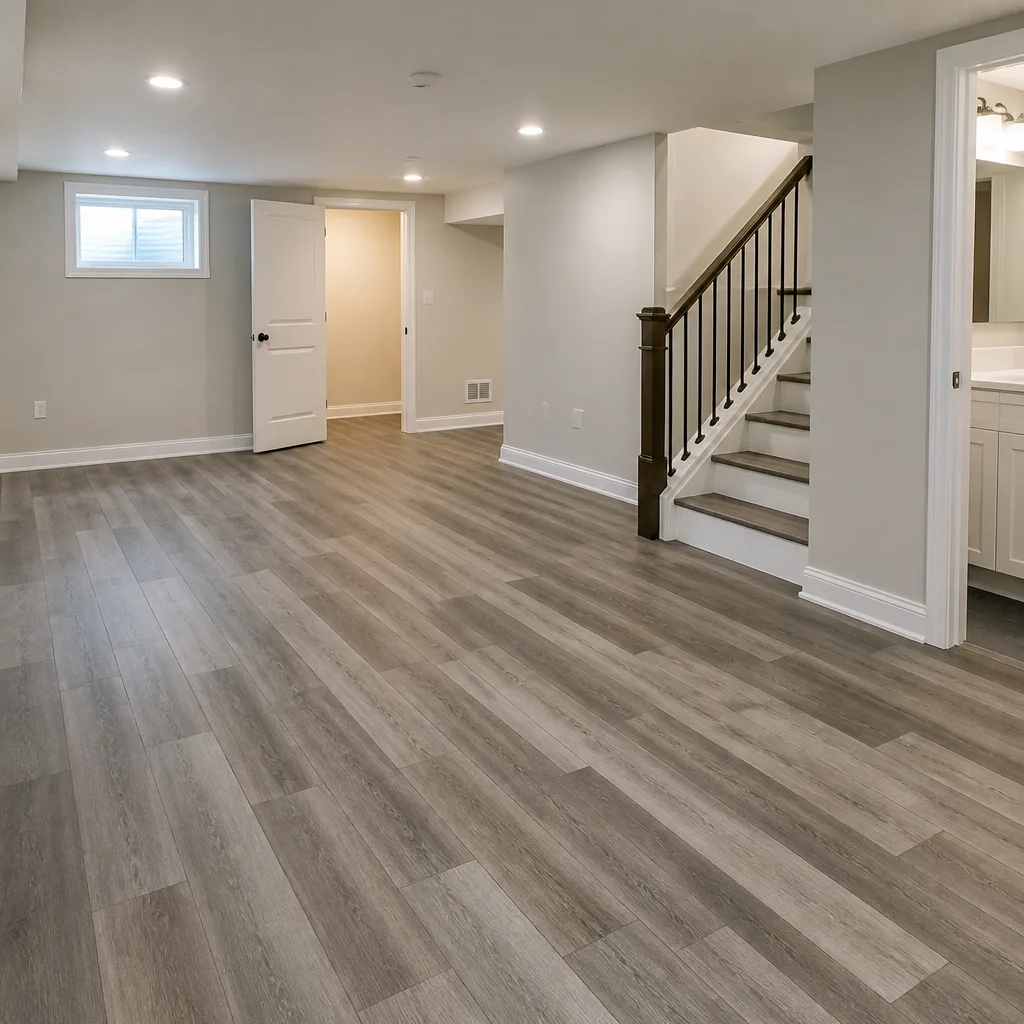
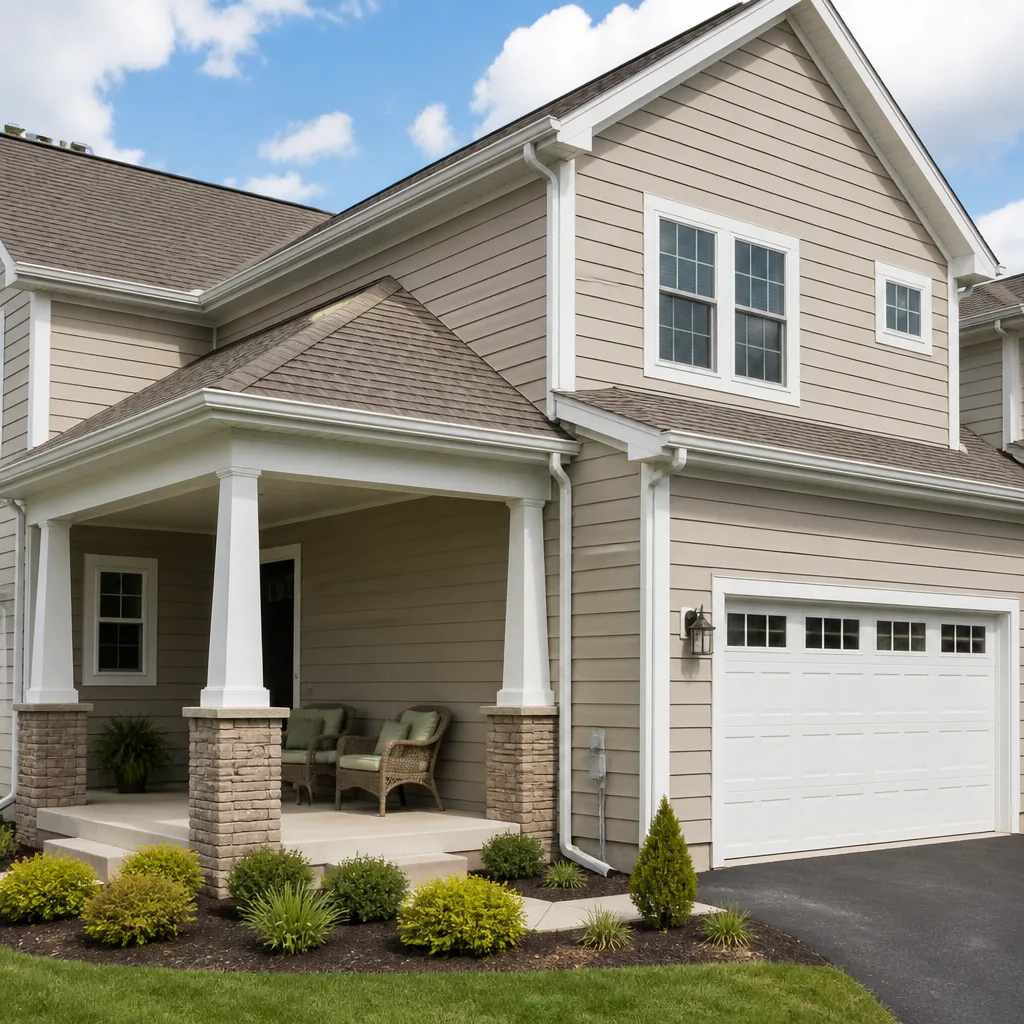
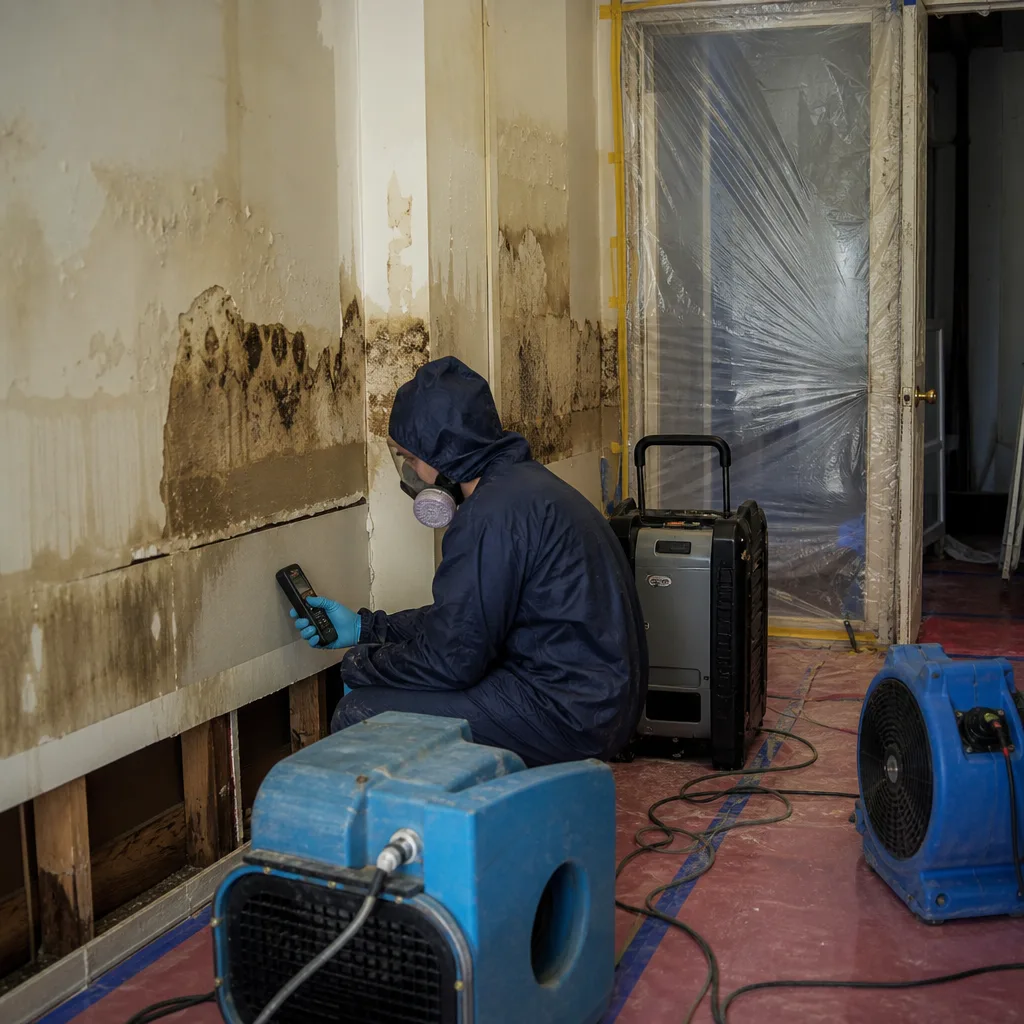 Before
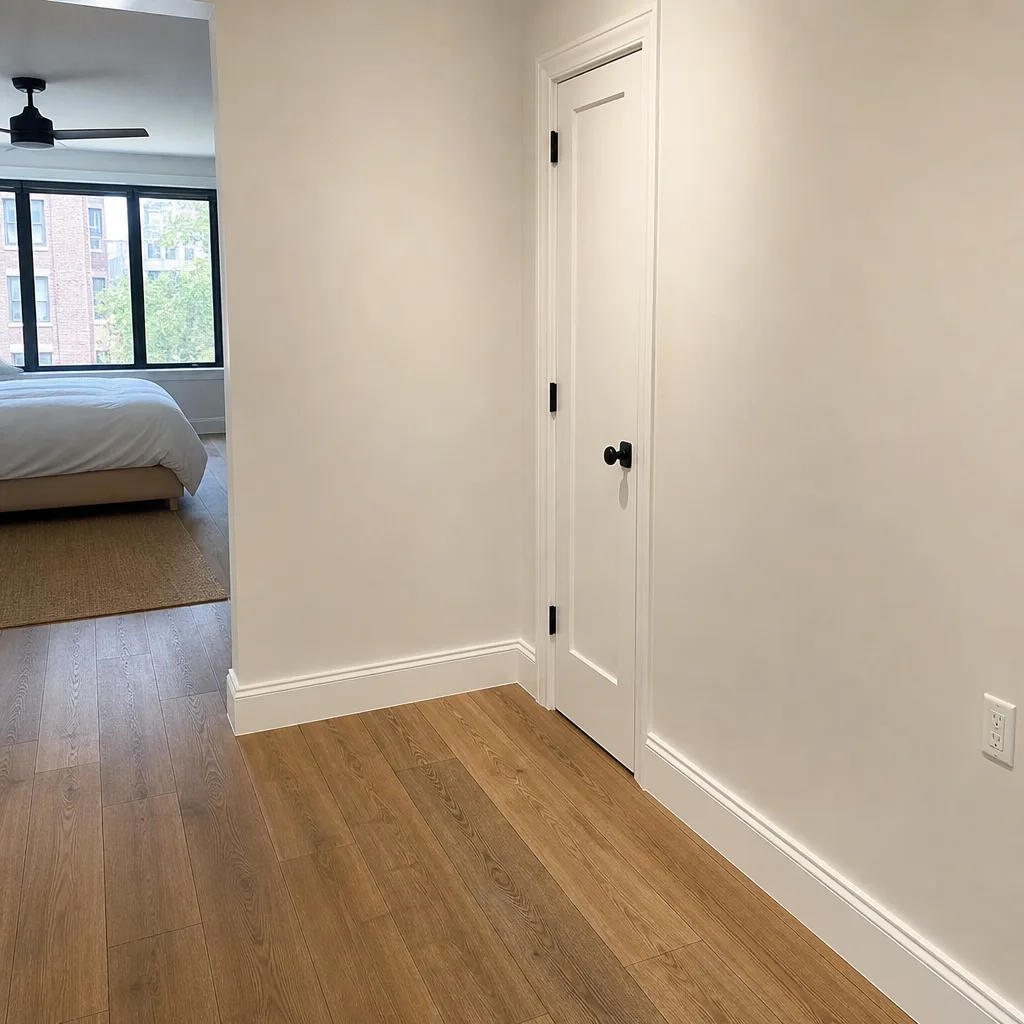 After
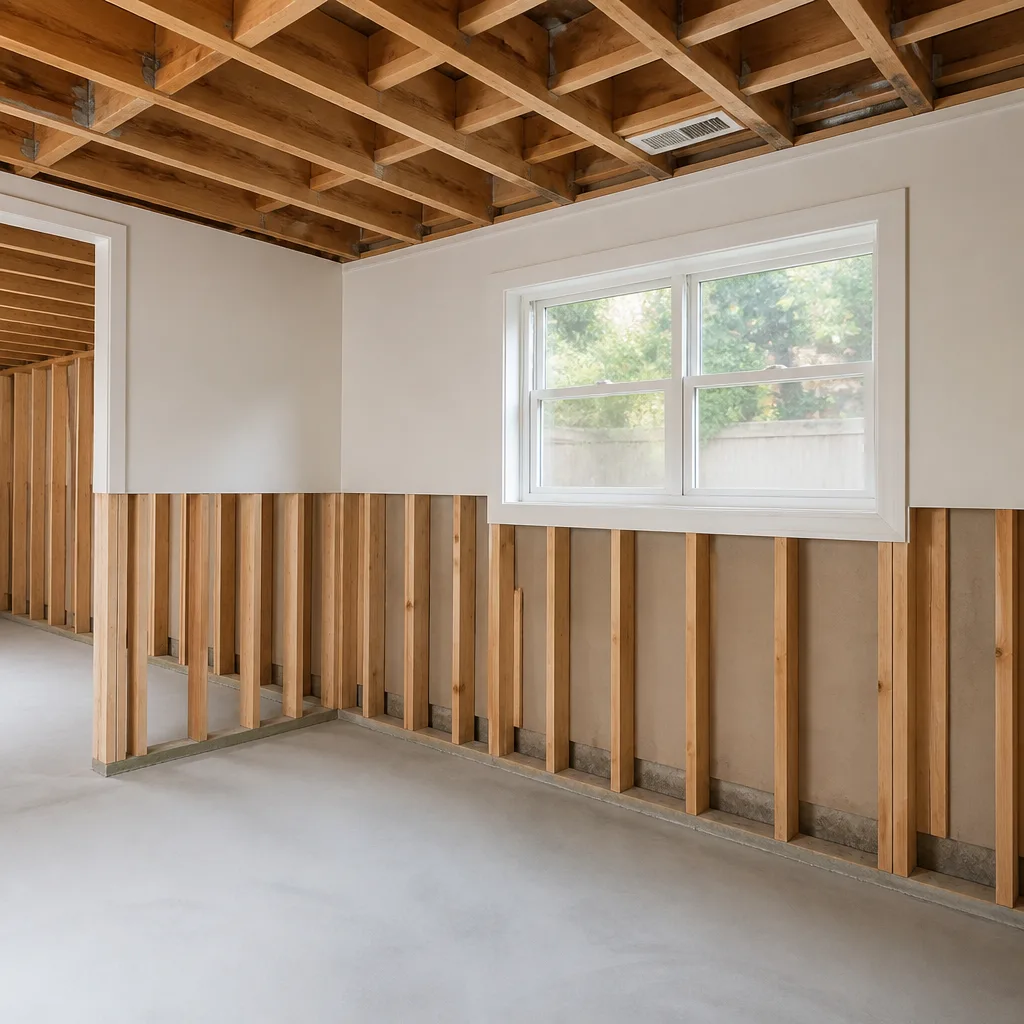
After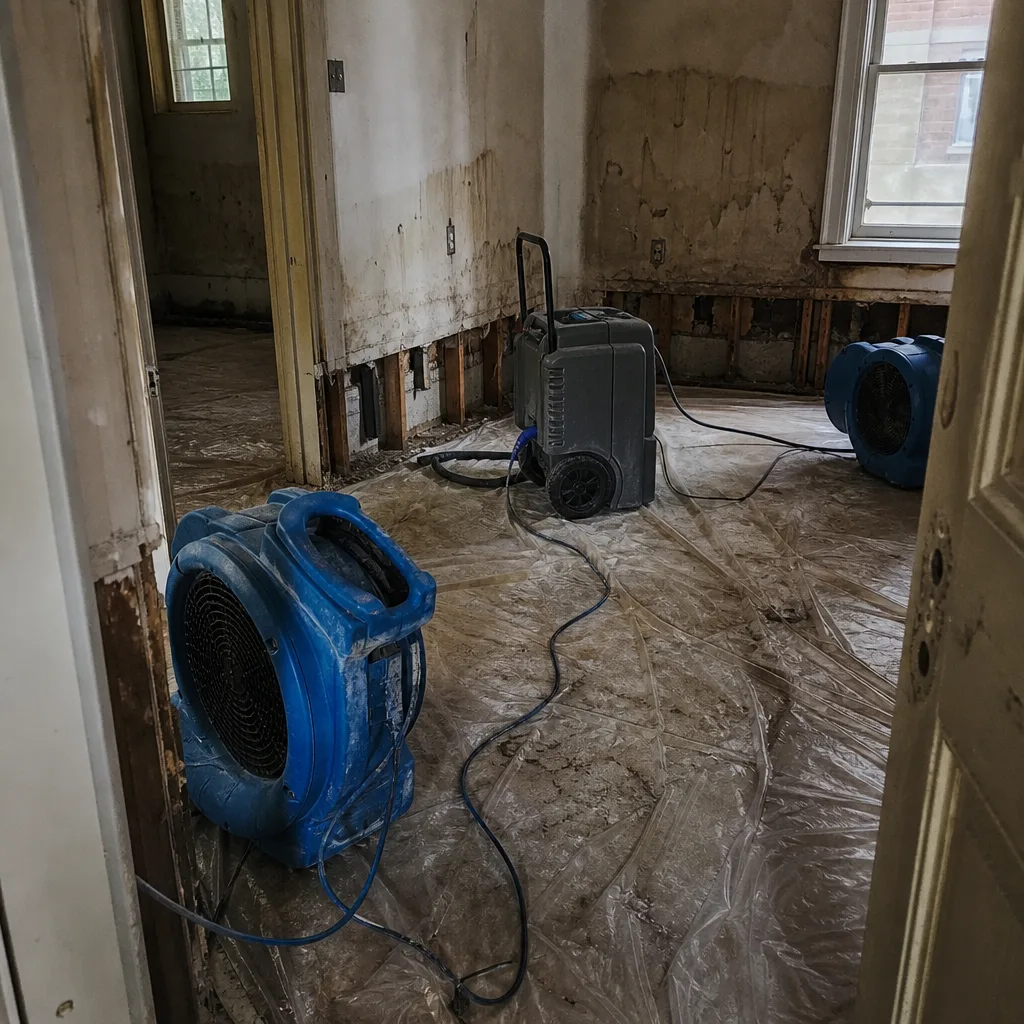 Before
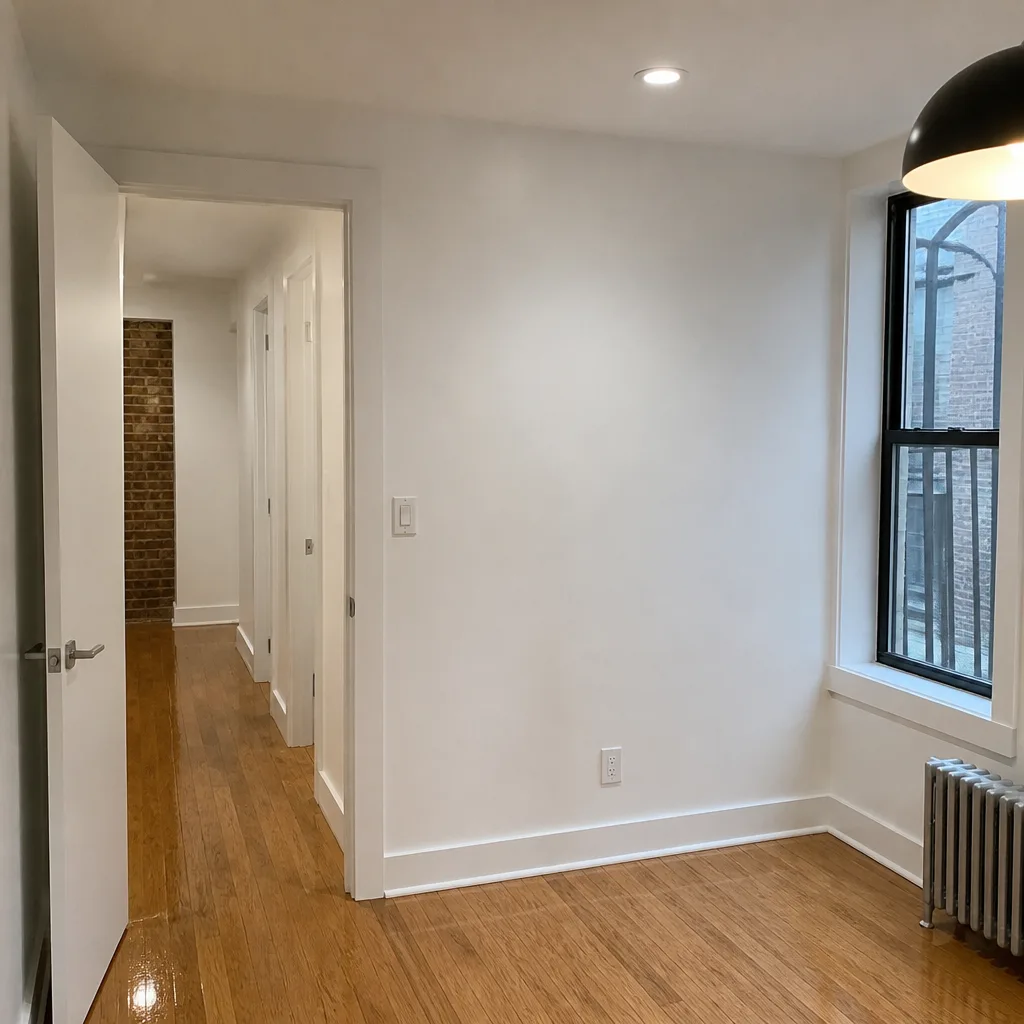 After
After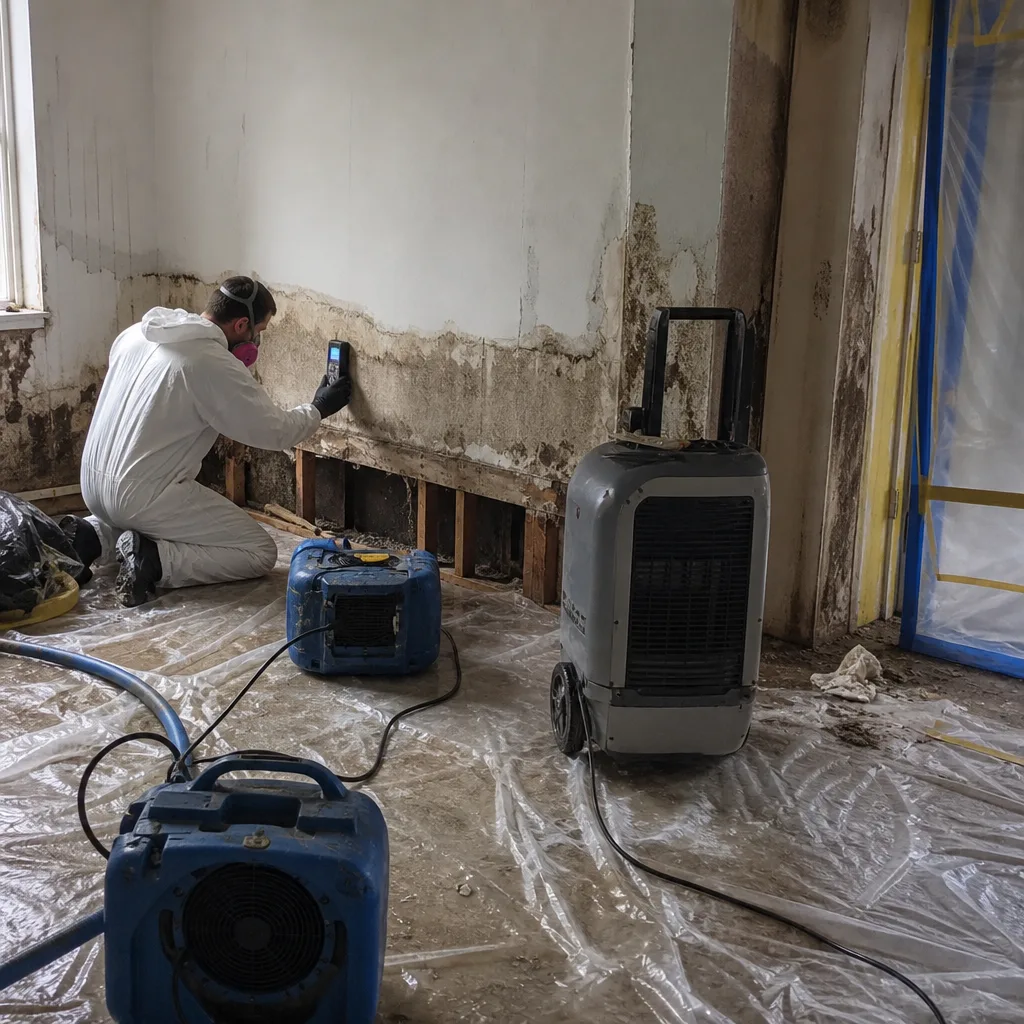 Before
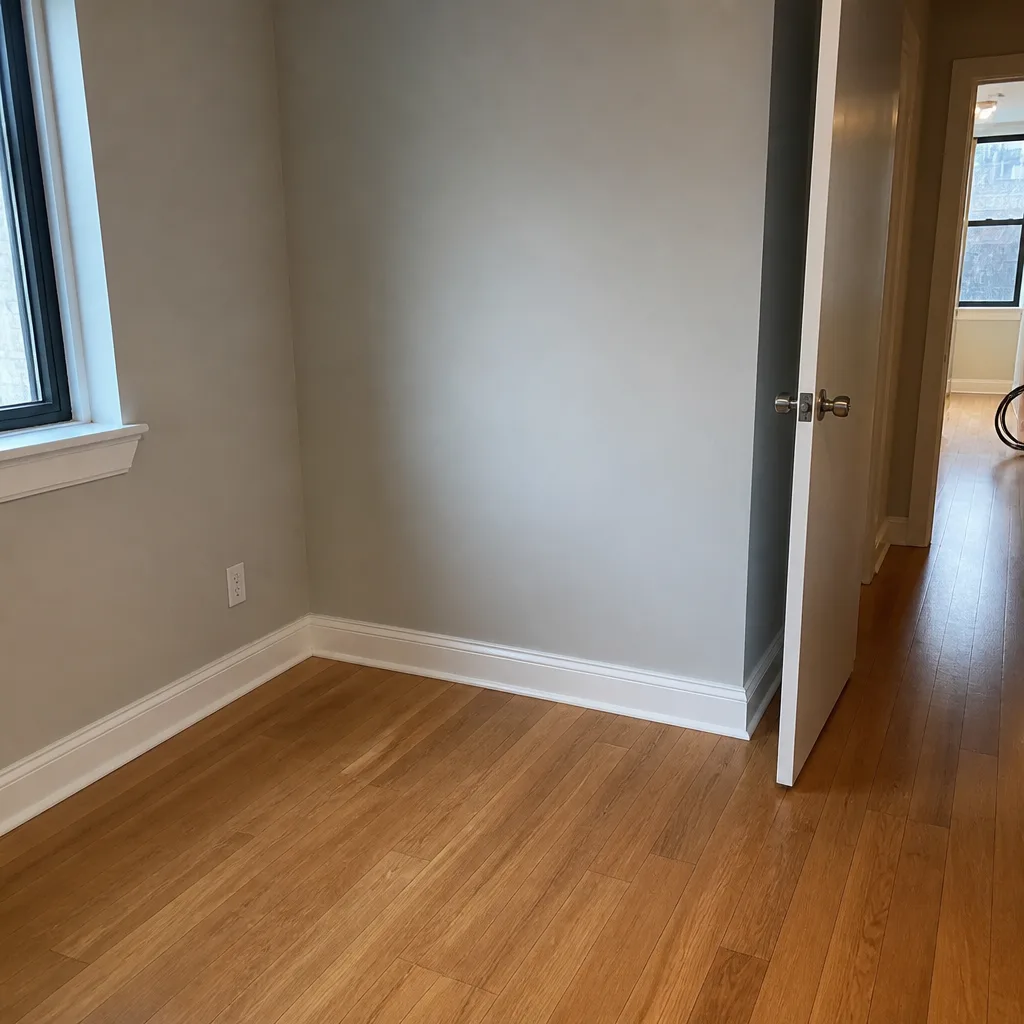 After
After24/7 Emergency Reconstruction & Cleanup in Upper West Side
Reconstruction and cleanup in Upper West Side moves on two clocks: the water’s clock and the co-op board’s clock. A ruptured steam line or failed pipe in a pre-war building rarely stays in one apartment. It travels down through horsehair plaster, original parquet, and party walls into the units below. Our crews answer live at (845) 305-5737 any hour of the day or night, and we dispatch into the Upper West Side immediately. The first hour decides whether you’re drying floors or replacing them. We start extraction the same visit, document everything for your carrier, and keep one certified team on the job from first cut to final coat of paint.
Understanding Reconstruction & Cleanup Severity in Upper West Side Properties
The Upper West Side’s housing stock is unlike almost anything else in Manhattan. Buildings along West End Avenue, Riverside Drive, and the side streets off Broadway run 10 to 20 stories, most built between 1900 and 1940. What that means for reconstruction: original cast-iron drain stacks, galvanized supply lines, and gravity-fed steam heat systems that are decades past their intended service life. When a Category 2 or Category 3 water loss hits, the moisture doesn’t just sit on the surface. It migrates through plaster keys, wicks up into lath, and pools inside ceiling cavities nobody has opened since the Coolidge administration. We moisture-map every affected surface with thermal imaging and penetrating meters before we ever write a scope. In a high-rise, what looks like a 200-square-foot ceiling stain is often a 1,200-square-foot structural drying project across three stacked units. Side-street brownstones present a different profile: party walls and shared cornices mean exterior water intrusion in one house quietly travels to the neighbor’s parlor ceiling, and you won’t know until the plaster sags.
Why Upper West Side Property Owners Choose Floodline Restoration Co.
- 45-minute response commitment: Our crews stage inside the Upper West Side service area. When you call, a live dispatcher pages the nearest certified team, not a call center in another state.
- A real person answers, 24/7: At 2 a.m., you get a voice on the line. Not a recording. If water is moving through your floors, you need a human who can send help now.
- IICRC-certified WRT, FSRT, and AMRT crews: Background-checked, uniformed technicians trained to IICRC, RIA, and IFA standards. The same people read the moisture map on day one and handle daily readings until the dry standard is met.
- Free visual inspection: We walk the loss, take photos, and give you a straight read on severity before you commit to anything. No pressure, no scare tactics.
- Direct insurance billing: Curt Bowman built Floodline Restoration Co. around a simple idea: the homeowner should never play messenger between the contractor and the carrier. We bill your insurer directly and document every line item.
- One team, extraction to reconstruction: No mid-job handoff. The crew that sets up drying equipment is the same crew that hangs new drywall, refinishes floors, and restores ornamental plaster. That continuity is rare in this trade and it matters.
Our Reconstruction & Cleanup Process
Inspection & Assessment
We arrive, walk the affected areas, and moisture-map everything with thermal imaging cameras and hygrometers. In a pre-war Upper West Side co-op, that means checking the unit above, the unit below, and the party walls on both sides. Water doesn’t respect apartment lines.
Extraction & Stabilization
We pull standing water immediately using truck-mounted extraction units, then stabilize the structure. If your building’s super hasn’t shut the boiler or isolated the riser, we work with them directly to stop the source. In LPC-designated buildings, stabilization means protecting original plaster and moldings from further damage before we touch anything.
Drying & Dehumidification
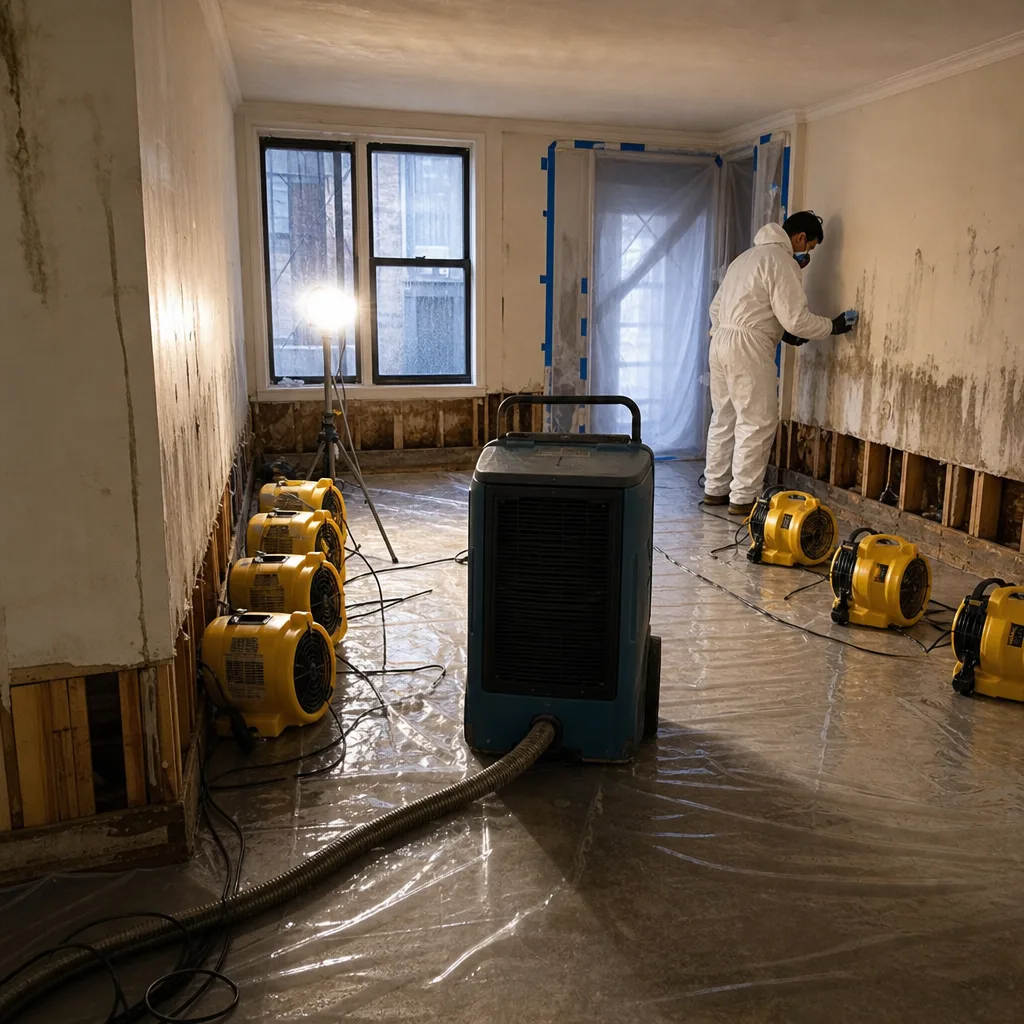
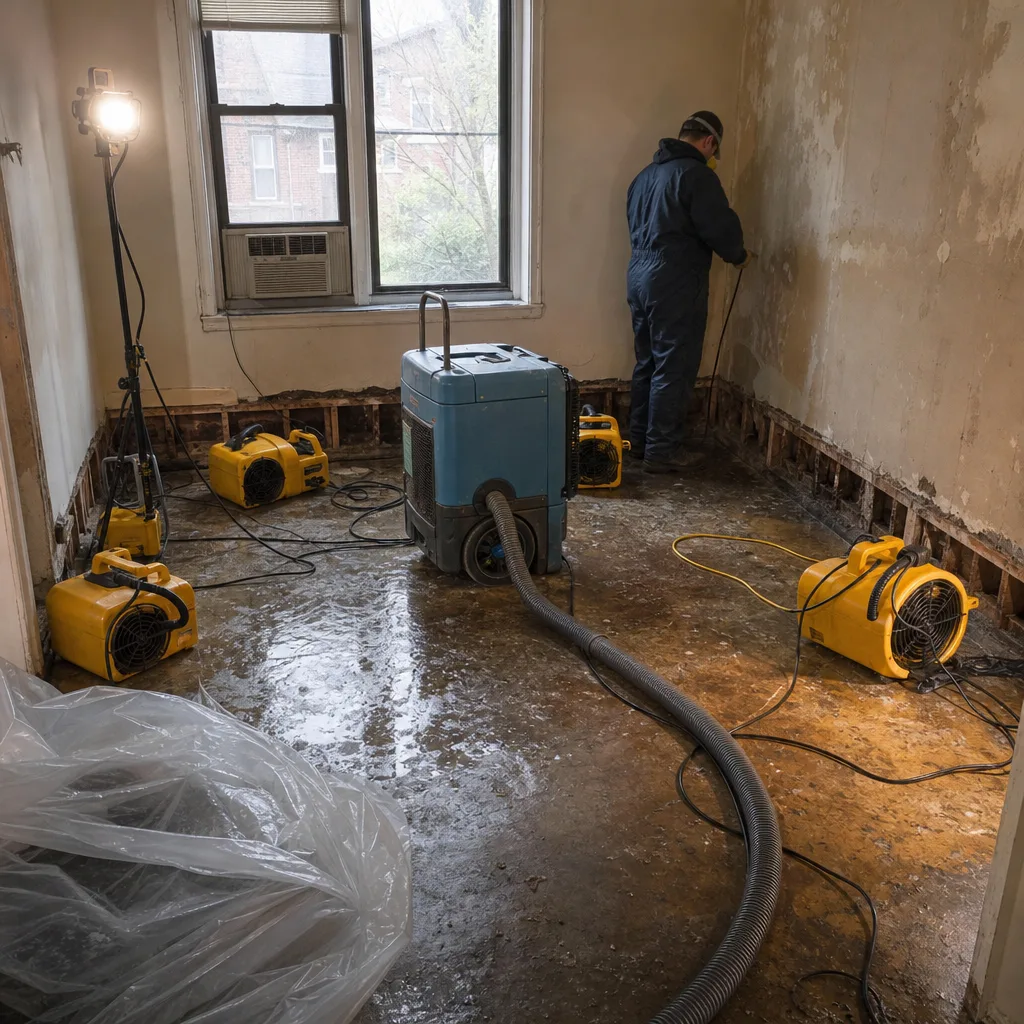
We set Dri-Eaz dehumidifiers, Phoenix air movers, and Injectidry floor-drying mats into the affected areas. Daily moisture readings get logged until the dry standard is met. That log goes to you and to your carrier. Nobody guesses. The numbers either say dry or they don’t.
Cleaning & Sanitization
After drying, we clean every affected surface. For water losses that involve Category 3 water from a backed-up combined sewer in a basement, we apply antimicrobial treatments and run HEPA air scrubbers before any reconstruction starts. You don’t rebuild over contamination.
Specialty Restoration for Pre-War Finishes
This is where most restoration companies step aside. We don’t. Original horsehair-plaster ceilings get patched with lime-based plaster, not drywall. Strip-oak and herringbone parquet floors get board-by-board repair. Ornamental crown moldings get cast and matched. If your building falls under Landmarks Preservation Commission jurisdiction, we document every material match before work begins.
Repairs & Full Reconstruction
Once the structure is dry and clean, we rebuild: drywall where drywall is appropriate, flooring, trim, paint, cabinetry. The same certified crew that first walked your apartment handles the finish work. Backed by our 90-Day Done Right Promise, in writing.
Need Emergency Reconstruction & Cleanup in Upper West Side Now?
Crews minutes away, answering live 24 hours a day. The sooner we start, the less it costs.
Working With Your Insurance Company
Insurance companies need documentation, not narrative. From the first hour on site, we photograph every affected surface, room by room. We log moisture readings daily. We write a line-item scope of work that your adjuster can verify against industry-standard pricing software. And when your carrier has questions, they talk to us directly. You don’t sit on hold with an 800 number explaining why a horsehair plaster ceiling costs more than drywall. Curt Bowman and his team have handled thousands of Upper West Side claims involving co-op insurance policies, building master policies, and the specific rider requirements those policies demand.
What We Provide Your Insurer
- Thorough documentation of the loss
- Photos of all damage, room by room
- Moisture readings and drying logs
- A detailed, line-item scope of work
- Direct coordination with your carrier
Built for Upper West Side’s Loss Calendar
January is the month we dread, and we’re honest about that. Deep freezes hit the Upper West Side’s old supply lines hard. Galvanized pipes in unheated light courts freeze, split, and flood kitchens across five floors of a single line. February brings radiator packing valves that weep for weeks before anyone notices the buckled parquet. March and April mean thaw, and thaw means basement seepage through foundation walls in the brownstones off Amsterdam and Columbus. Summer thunderstorms overwhelm the neighborhood’s combined sewer system, sending Category 3 water into ground-floor and cellar storage units. Fall nor’easters drive rain against exposed western facades on Riverside Drive and West End Avenue, and those original windows and cornices weren’t built for wind-driven water. Every season on the Upper West Side produces a specific failure pattern. We see them all, and we plan crews around the calendar.
Reconstruction & Cleanup Across Upper West Side’s Neighborhoods
The Upper West Side isn’t one building type; it’s a patchwork. The Central Park West corridor runs heavy on grand pre-war co-ops with elaborate plasterwork and strict LPC oversight. When a riser lets go at 72nd and CPW, the damage path is vertical, fast, and visible across three or four units before the building super can isolate the line. The Riverside Drive and West End Avenue pre-war elevators hold the same vertical risk, but with more exposure to wind-driven rain on the western walls. Side streets like West 86th between Broadway and Amsterdam mix 19th-century brownstones with older apartment buildings. Those brownstones share party walls and cornices; a roof leak in one house routinely shows up as a ceiling stain in the neighbor’s top-floor bedroom a week later. The Amsterdam and Columbus corridors have more mid-century rental buildings with cast-iron drains that were marginal on day one and are now 70 years stale. Wherever you are on the Upper West Side, our crews know the building age, the typical plumbing layout, and the access constraints before we knock on the door.
Specialized Reconstruction & Cleanup Services We Offer in Upper West Side
Full-Service Reconstruction
We rebuild what water, fire, or mold took out: framing, drywall, ceilings, trim, paint, cabinetry. On the Upper West Side, that work often means matching pre-war dimensions and profiles. A standard 8-foot drywall sheet doesn’t fit in a 1908 parlor with 11-foot ceilings and picture rail. We order, cut, and install to the building’s original lines.
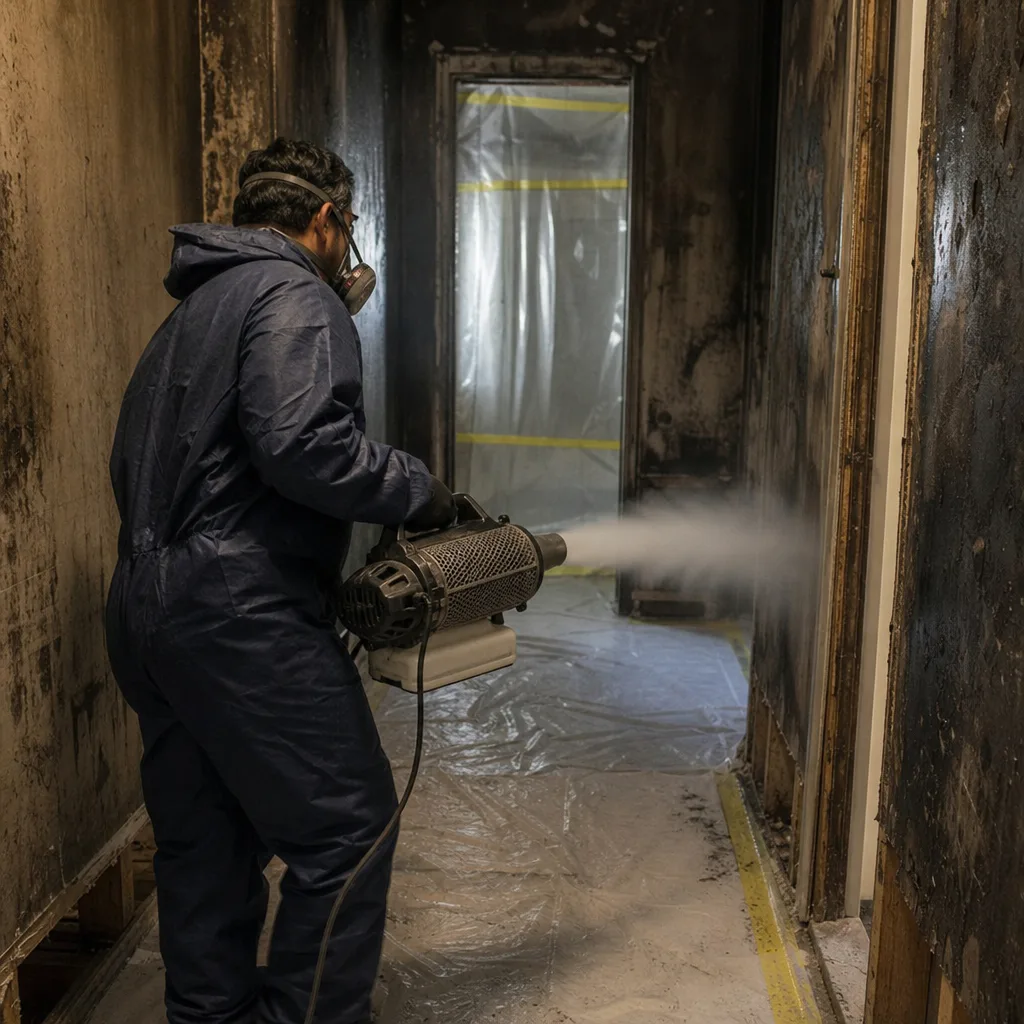
Drywall & Flooring Repair
In modern units, drywall repair is straightforward. In a pre-war co-op, it’s often the wrong material. We patch horsehair plaster with lime-based plaster where LPC rules apply, and we lay drywall only where it’s code-compliant. For floors, we handle strip oak, herringbone parquet, and the narrower-width boards you find in pre-war apartments. Board-by-board repair beats full replacement whenever the subfloor is sound.
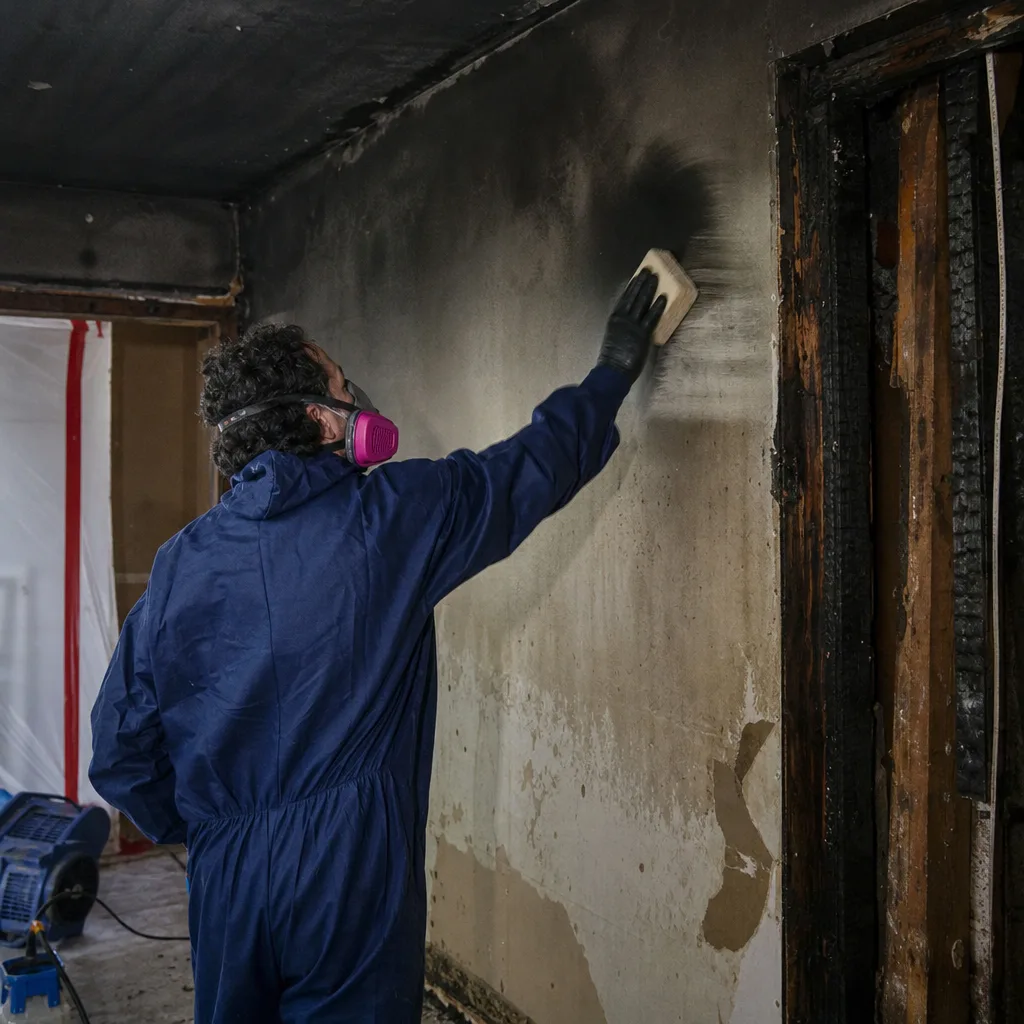
Contents Restoration & Pack-Out
When a flooded basement storage unit or a fire-damaged apartment requires removing contents, we inventory, photograph, pack, and store everything. On the Upper West Side, basement storage units are small and dense; we map each bin and shelf so the co-op board has a clear record of what came out and when it comes back. Contents restoration includes textile cleaning, deodorization, and furniture refinishing when salvageable.
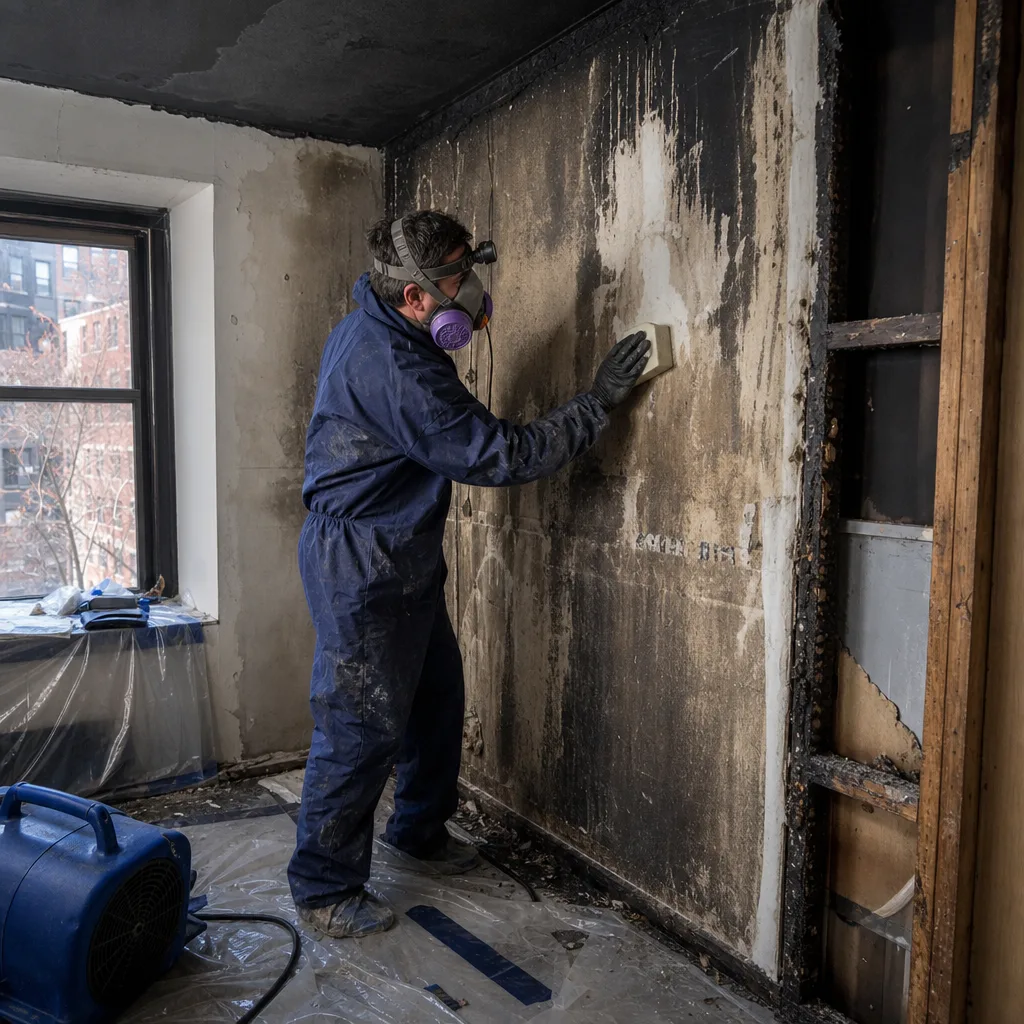
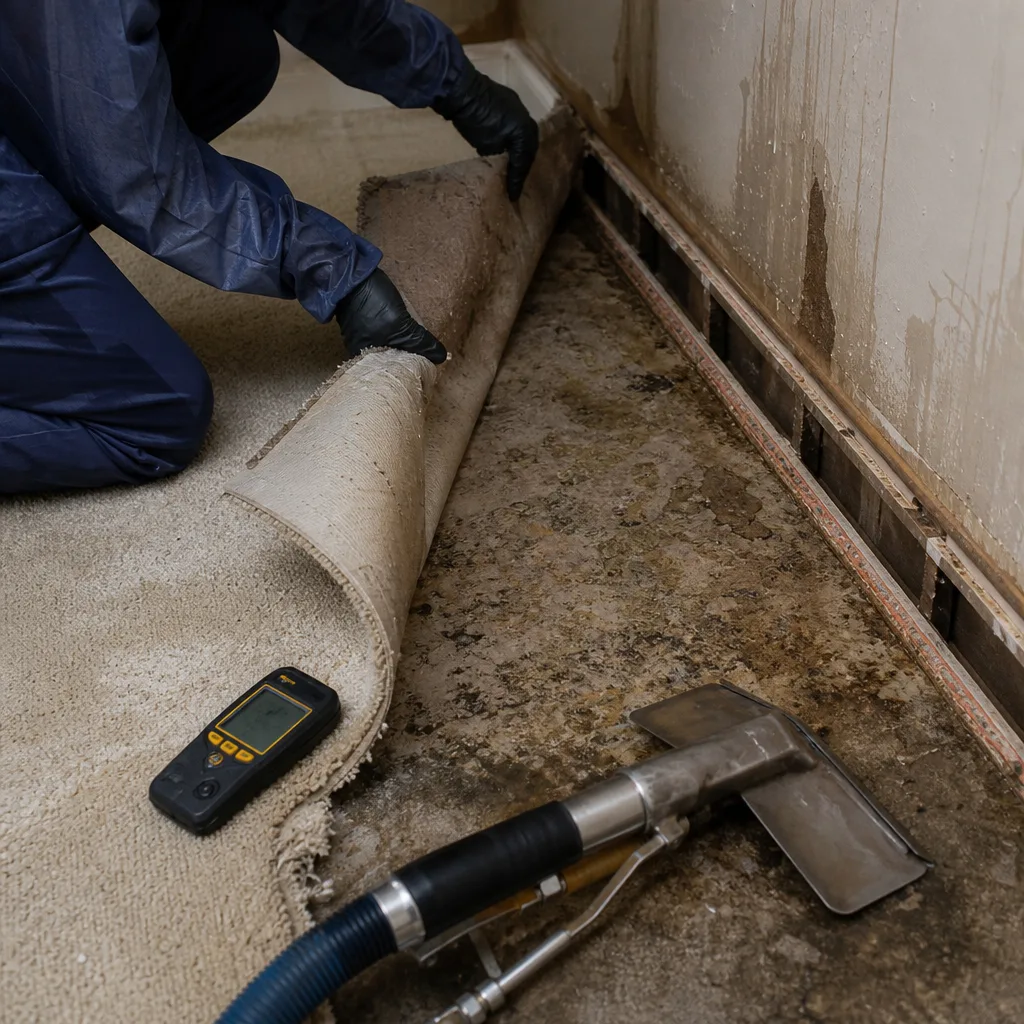
Carpet & Upholstery Cleaning
Post-water or post-fire, carpets and upholstery hold contaminants and odor. We clean on site where possible, using professional hot-water extraction equipment. In many UWS co-ops, the service elevator reservation and the super’s schedule dictate timing. We work around both.
Post-Construction Cleanup
After the rebuild, there’s dust in every crevice: plaster dust, sanding dust, drywall dust. We run HEPA-filtered air scrubbers during the work and do a final clean after: floors, fixtures, window tracks, vent covers. You move back into a home that feels finished, not like a construction site.
Insurance Claim Documentation
This is quiet, boring, and the difference between a covered claim and a denied one. We document everything from the first visual inspection to the final moisture log. Photos, room by room. Line-item scopes. Material match notes for LPC compliance. Direct communication with your adjuster. If you’re a co-op board dealing with a multi-unit claim, we provide the kind of documentation your master policy carrier expects.
What happens when you call
- 1
A real person answersNo phone trees - you reach a local pro.
- 2
You get an upfront price rangeHonest numbers before anyone is dispatched.
- 3
A background-checked tech heads outLicensed & insured, dispatched right away.
- 4
You approve before work beginsNothing starts until you say go.
Reconstruction & Cleanup Costs in Upper West Side, NY
Upper West Side pricing runs higher than the outer boroughs because the buildings are harder to work in and the finishes are more expensive to match. Drywall repair with LPC-compliant plaster work typically runs $400 to $900 per affected room. Strip-oak floor repair runs $18 to $35 per square foot depending on board width and stain matching. A full post-water reconstruction in a one-bedroom pre-war unit often lands between $12,000 and $28,000 before contents. Steam radiator leak in a co-op living room that soaked original parquet and a horsehair plaster ceiling: typically $6,500 to $14,000, depending on how many days the water ran before the super cut the boiler. Most of these costs are insurance-coverable when the claim is documented correctly. The free visual inspection gets you a firm, written scope. Call (845) 305-5737 and we’ll tell you exactly what you’re looking at.
We Also Serve Cities Near Upper West Side
Our crews work the full Upper West Side, of course. We also respond up into Upper Manhattan, across into Morningside Heights and Central Harlem, and over to East Harlem. Same team, same live 24/7 dispatch, same 90-Day Done Right Promise.
Serving Upper West Side, NY - Our Local Coverage Area
We’re based in the Upper West Side area and know this community well. Use the map below to see our service coverage - if you’re nearby, we can almost certainly help.
Upper West Side Reconstruction & Cleanup Questions, Answered
How do you handle LPC-required plaster restoration in a pre-war UWS co-op?
We match the original plaster composition, profile, and finish, and we document every step for Landmarks Preservation Commission review. Horsehair plaster gets patched with lime-based plaster, never drywall, when the building’s LPC status requires it. We’ve restored ornamental crown moldings and ceiling medallions in landmarked Upper West Side buildings by casting and matching the original profiles. The key is doing the material match before work starts, so the board and the LPC have a clear record.
What’s the biggest delay factor for water damage in a high-rise UWS building?
Waiting on the co-op board or building super to approve access or shut the riser. Water moves through plaster and lath within hours. Every day of delay means more mold colonization in the wet horsehair plaster and more units affected below. Our crews work directly with supers and property managers to get boiler shutoffs and riser isolation done fast, while we start extraction and drying on the units we can reach. Call (845) 305-5737 and we’ll start coordinating immediately.
Can you restore original parquet floors that have buckled from a radiator leak?
Yes. Buckled strip-oak and herringbone parquet can often be salvaged if the boards are dried properly before sanding. We use Injectidry mats to pull moisture out of the flooring system, then replace only the boards that are too damaged to save. For pre-war floors with narrower board widths, we source matching stock. The alternative, full floor replacement, is usually unnecessary and destroys a detail that took a 1910 craftsman days to lay.
How do you handle pack-out of contents in a flooded basement storage unit on the UWS?
We inventory every item, photograph it, and pack it in labeled, numbered boxes before moving it to a secure storage facility. For co-op buildings, we provide the board with a manifest so every shareholder knows what left and when it returns. Contents that can be cleaned and restored, we clean and restore. Items that are beyond saving get documented for your insurance claim with photos and valuation support.
What’s the actual response time to an Upper West Side address?
We commit to 45 minutes for emergency response anywhere on the Upper West Side. That’s from the moment your call ends to the moment a uniformed technician is at your door, carrying a thermal camera and a moisture meter. Live dispatchers coordinate crews from our New York City office 24 hours a day. There’s no answering service, no callback list, and no “we’ll be there tomorrow morning.” If water is moving, tomorrow is a demolition job.
Will my co-op or homeowner’s insurance cover reconstruction and cleanup?
In nearly all cases, yes, water, fire, and storm damage reconstruction is covered under your HO-4 or HO-6 policy, or under the building’s master policy if the loss originated in a common area riser or roof. What matters is documentation: we photograph every affected surface from the first hour, log daily moisture readings, and write a line-item scope your adjuster can verify. We bill your carrier directly. You never front the reconstruction cost out of pocket.
Cleanup vs full reconstruction: how do I know which one I need?
Cleanup is for surface damage: standing water removed quickly, surfaces dried, disinfected, and restored without structural repair. Reconstruction is for structural loss: rotted subfloor, delaminated plaster, damaged framing, drywall that’s been wet long enough to lose integrity. On the Upper West Side, the line often moves. A radiator leak that looks like a cleanup job becomes a reconstruction job if water has been weeping into the joist bays for three weeks. The free visual inspection tells you which one you actually need, with moisture readings to prove it.
What should I do in the first 30 minutes after I discover water damage?
Call us at (845) 305-5737. Then shut your apartment’s water if you have a unit shutoff. If the water is coming from a radiator or riser, call your super and tell them to isolate the line or shut the boiler. If it’s electrical, do not touch anything; we’ll coordinate with the building. Move small furniture and rugs out of the water path if you can do so safely. Take photos. Do not use a shop vac on carpet over hardwood. And don’t wait for the board to meet. Start mitigation now, document everything, and the board will be working from a record, not a guess.
Floodline Restoration Co. has been handling reconstruction and cleanup on the Upper West Side for years, from Riverside Drive co-ops to brownstones off Amsterdam. Our crews know the buildings, the boards, and the buildings’ little secrets. When you call, a live person answers. When we say we’ll be there, we’re there. And everything we do is backed by the 90-Day Done Right Promise, in writing.
Written by Curt Bowman, Owner at Floodline Restoration Co., serving New York City since 2010.