

Free visual inspection and a written scope of work before any mitigation begins - photos, moisture readings, and drying logs go in your claim file
The scope we write is the scope we bill. Anything new gets shown to you, in writing, before we touch it.
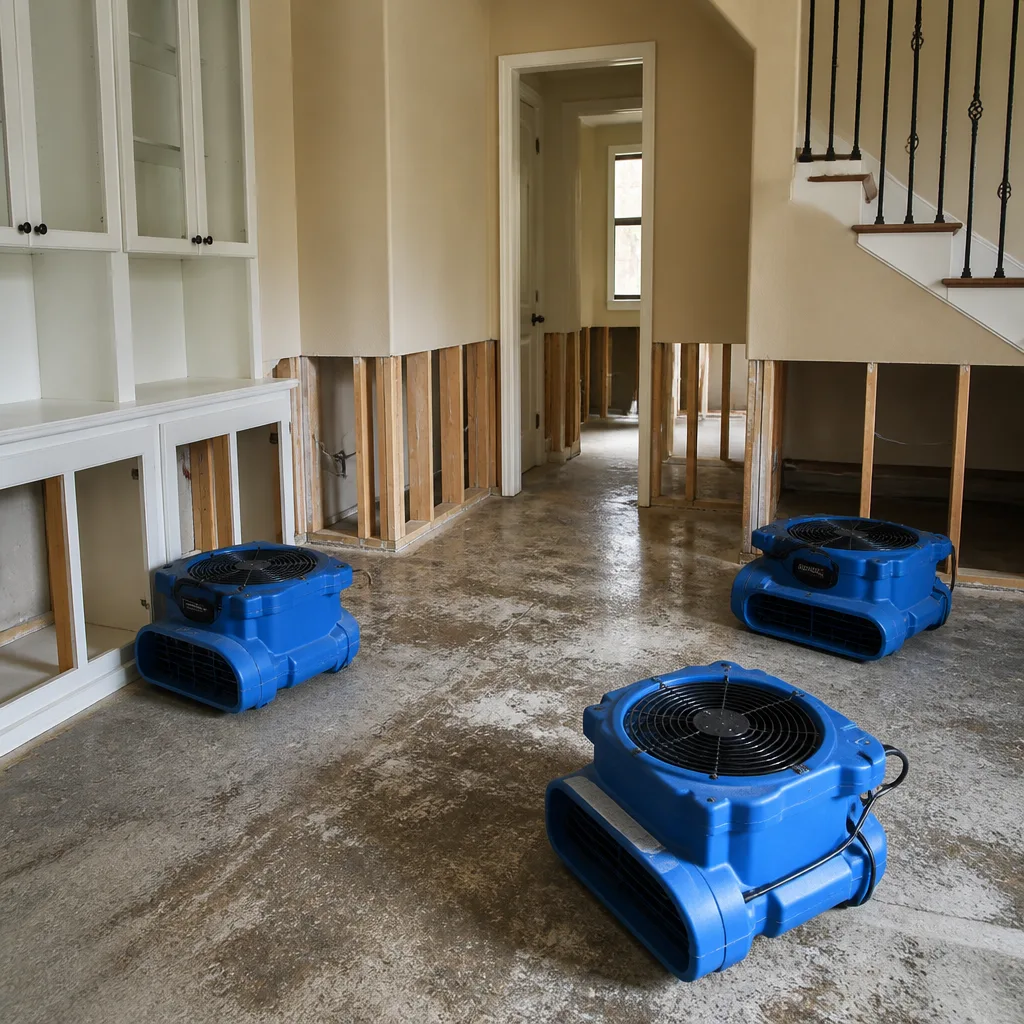
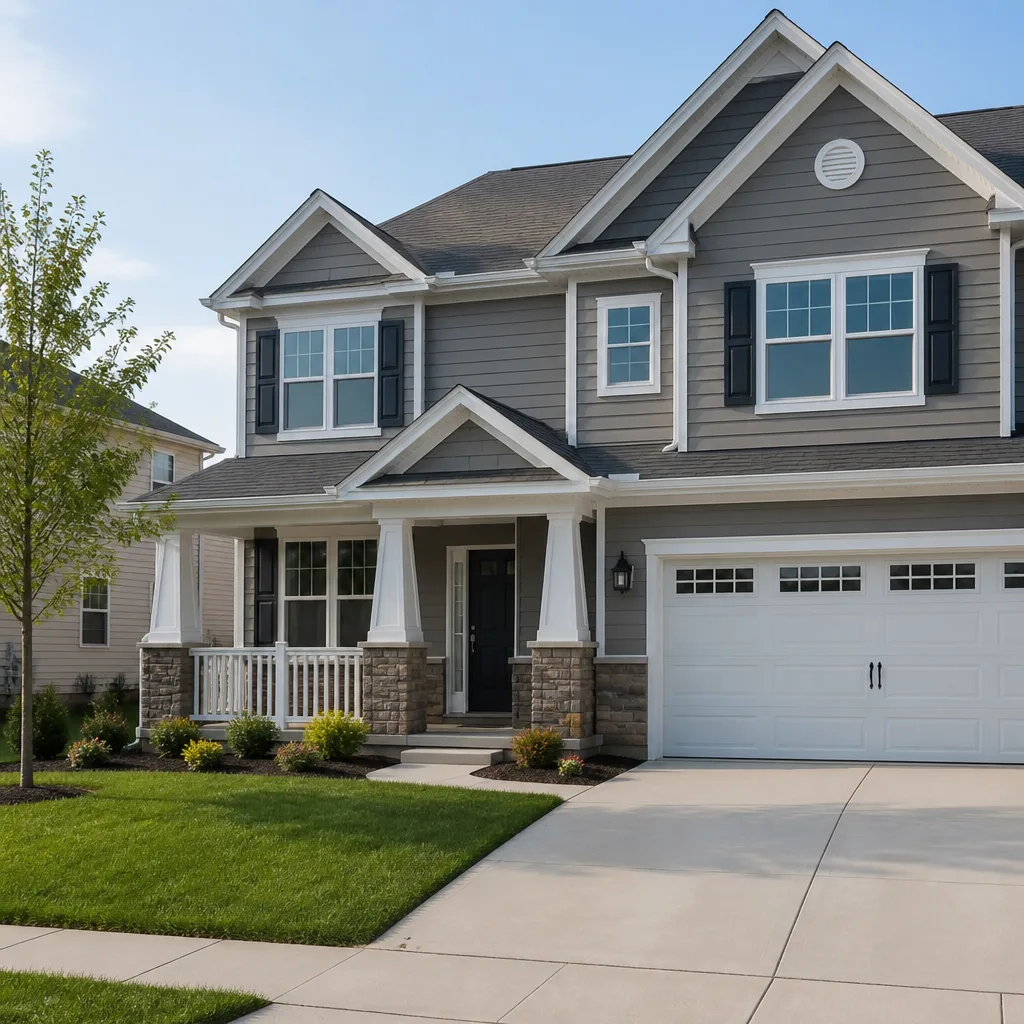
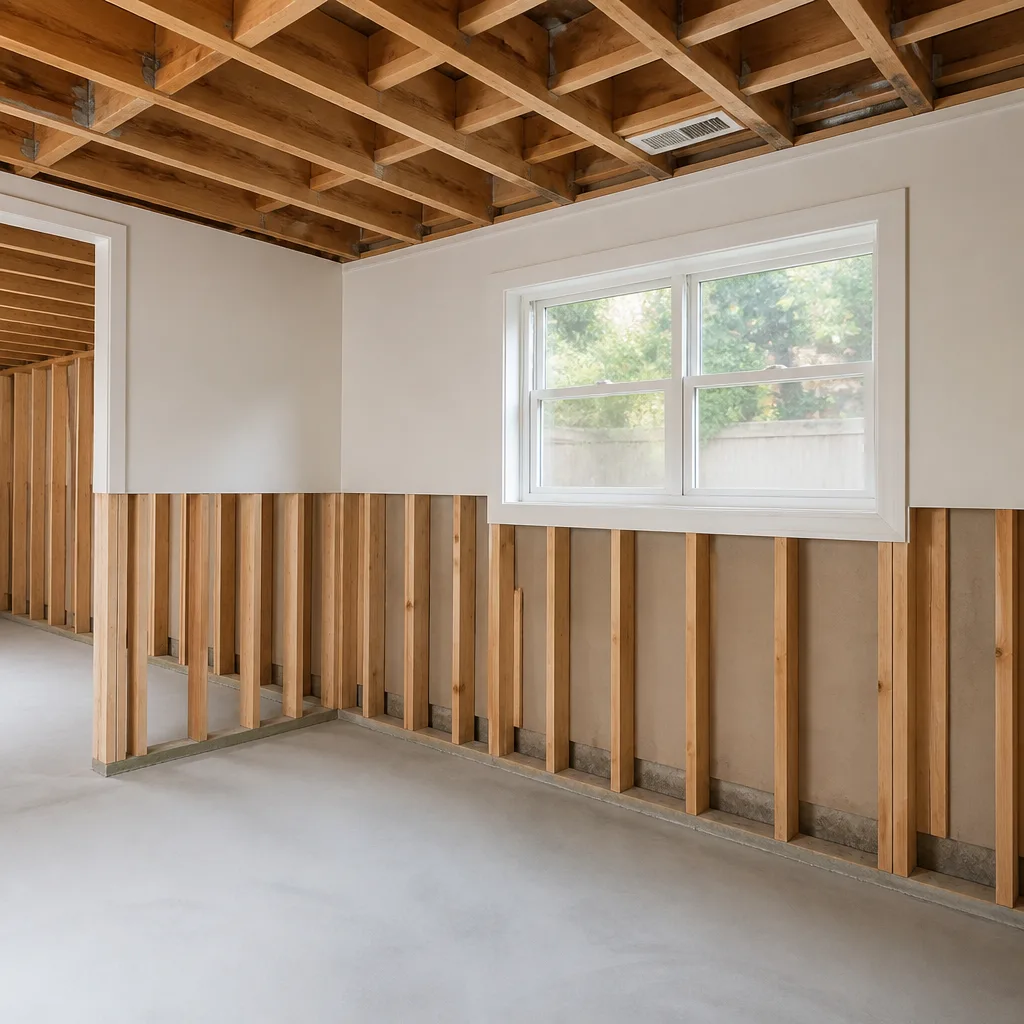
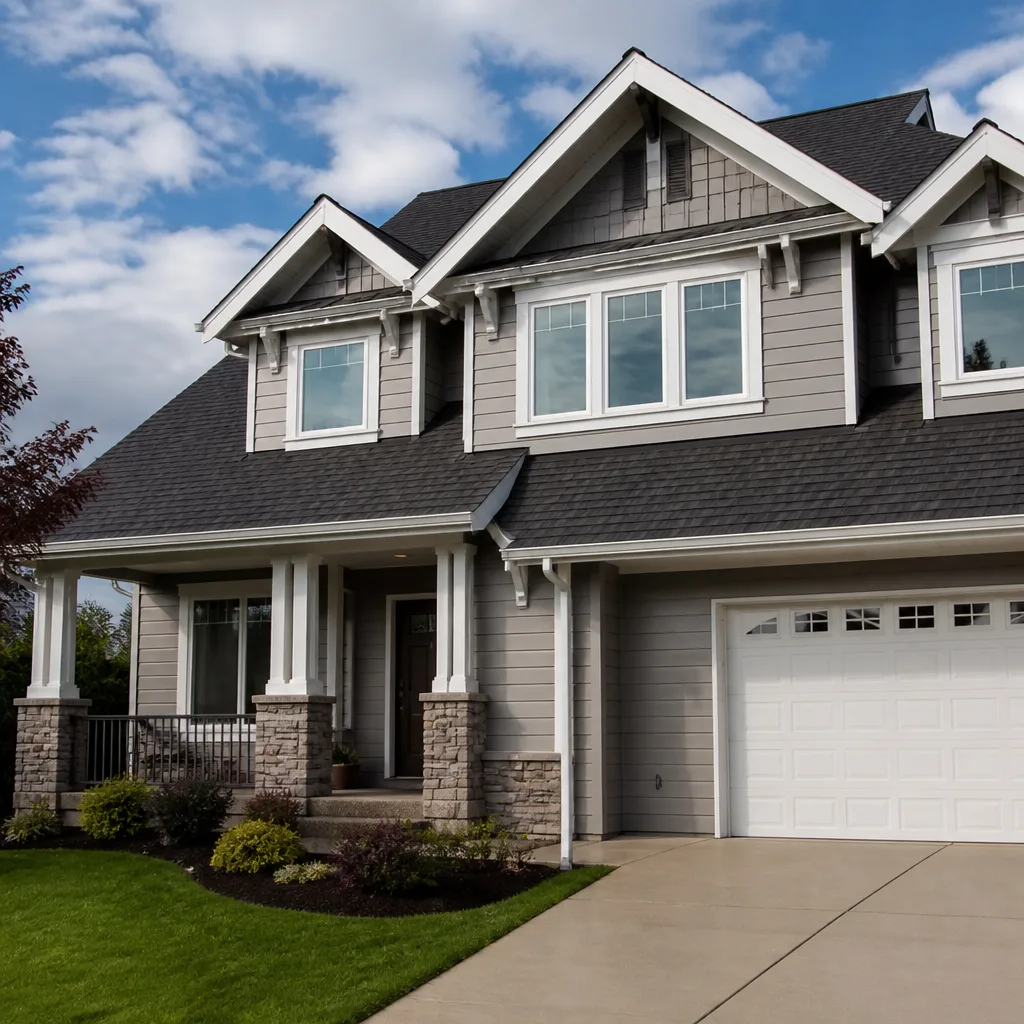
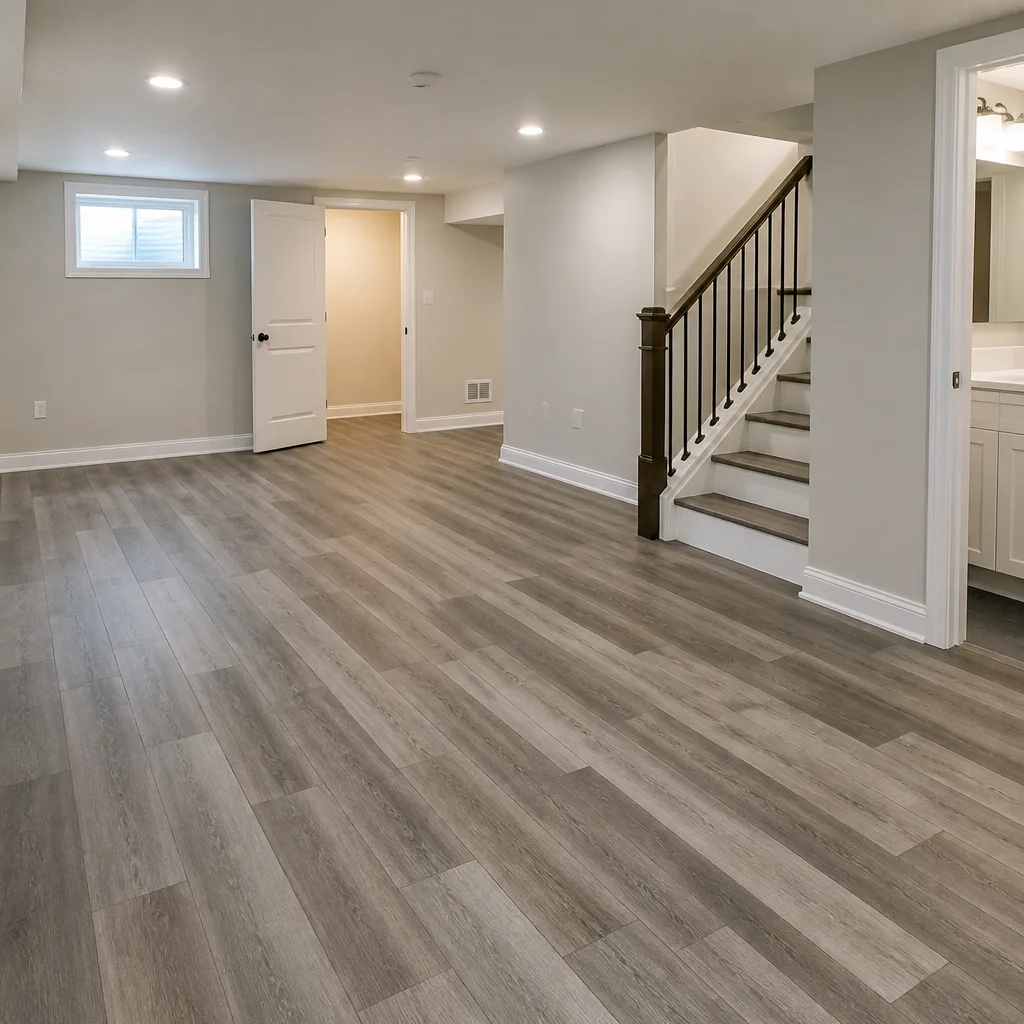
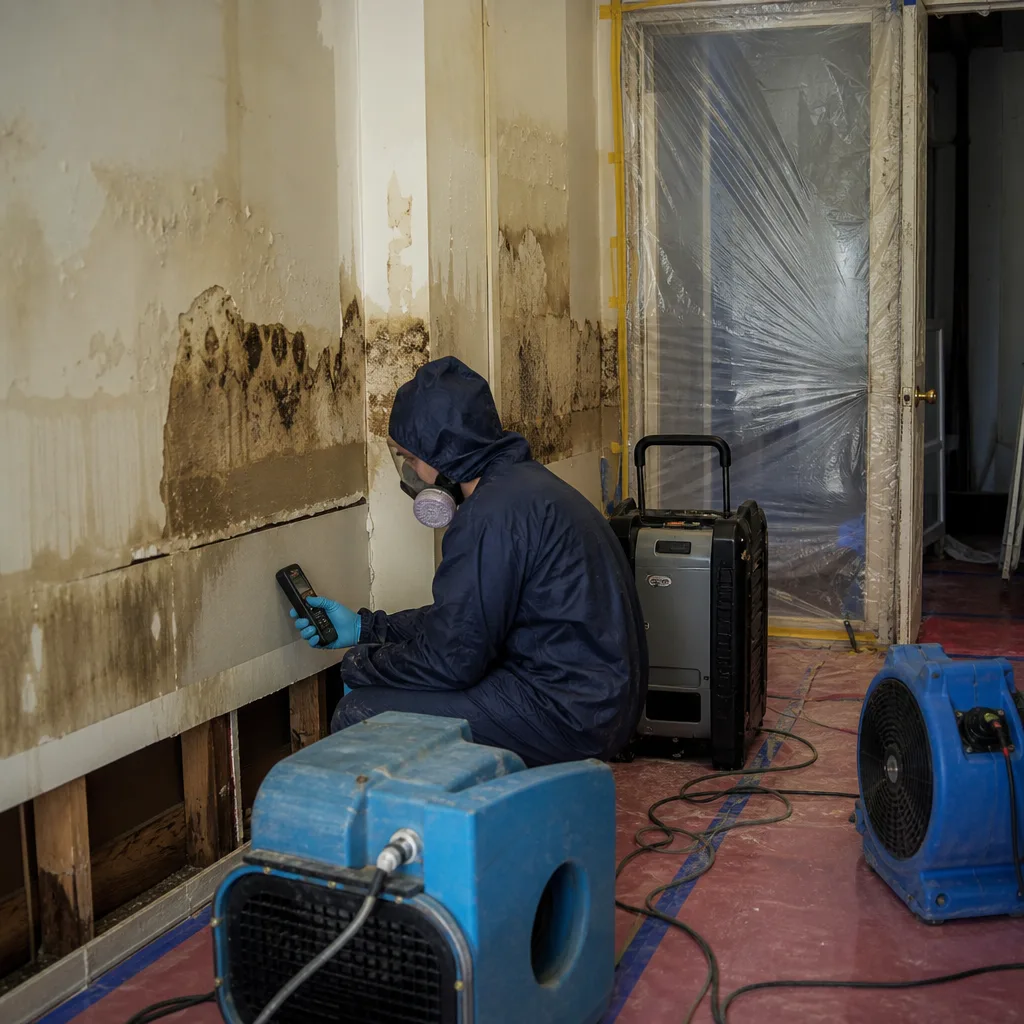 Before
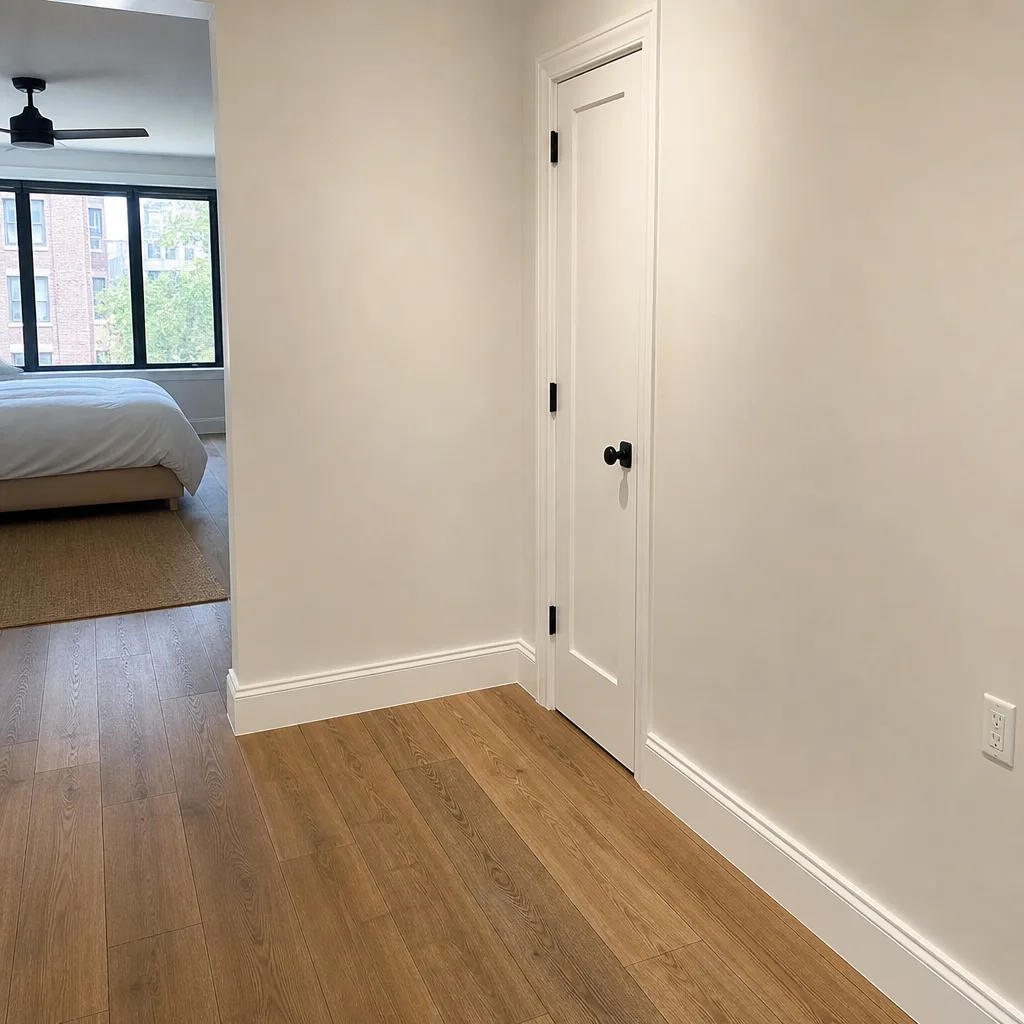 After
After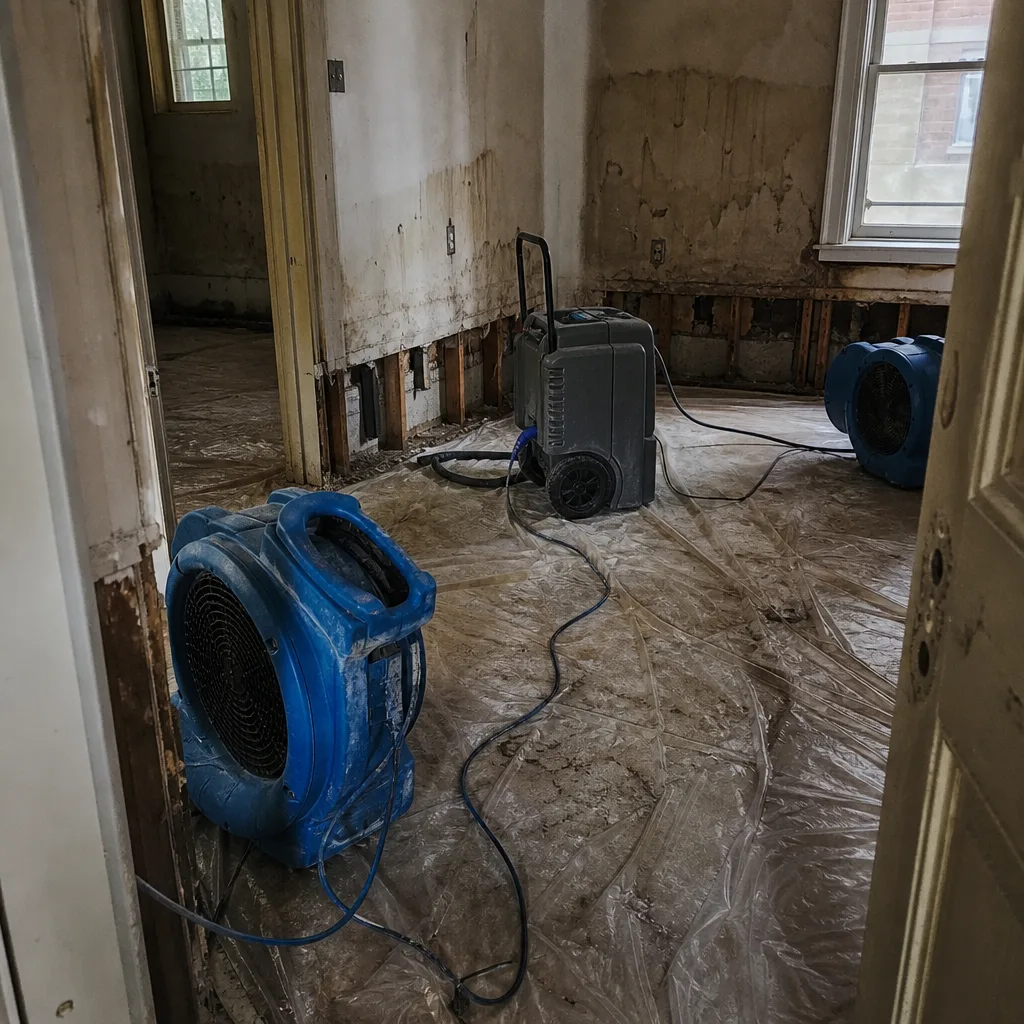 Before
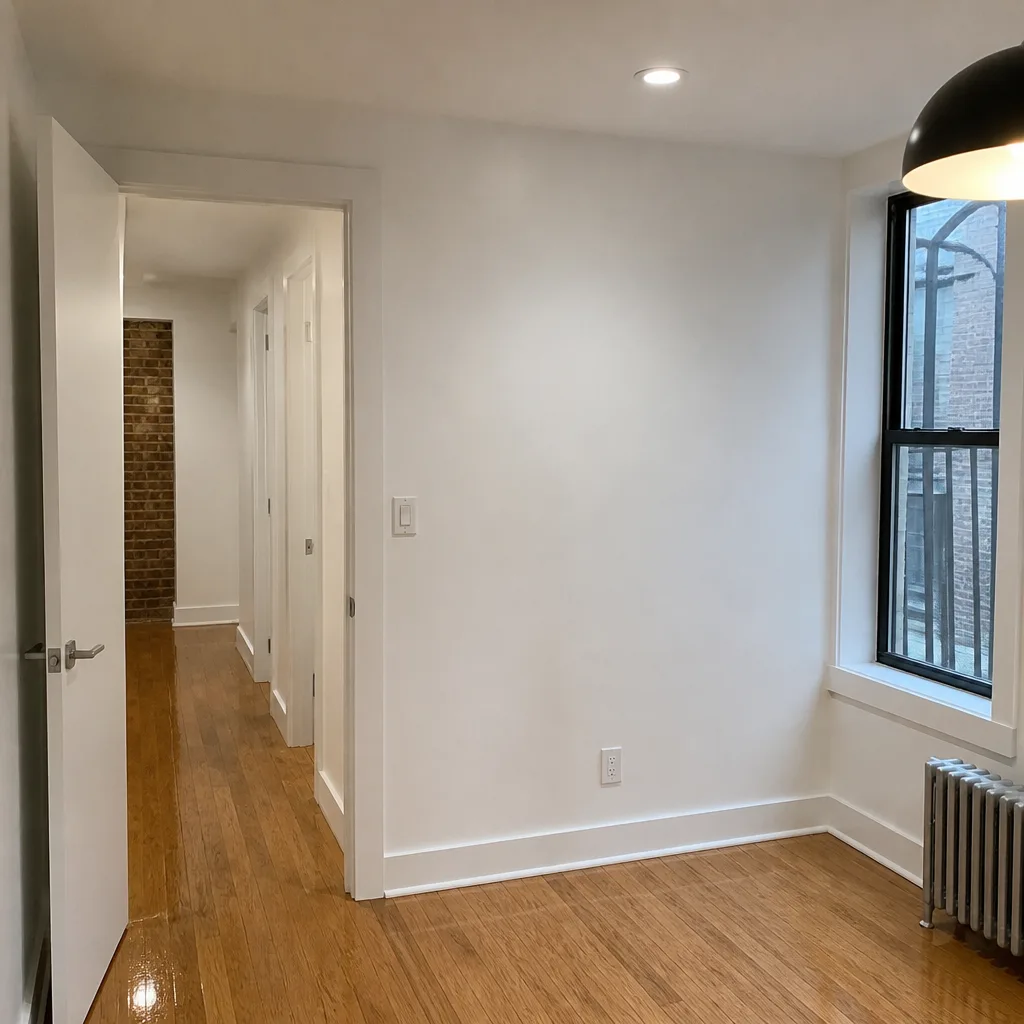 After
After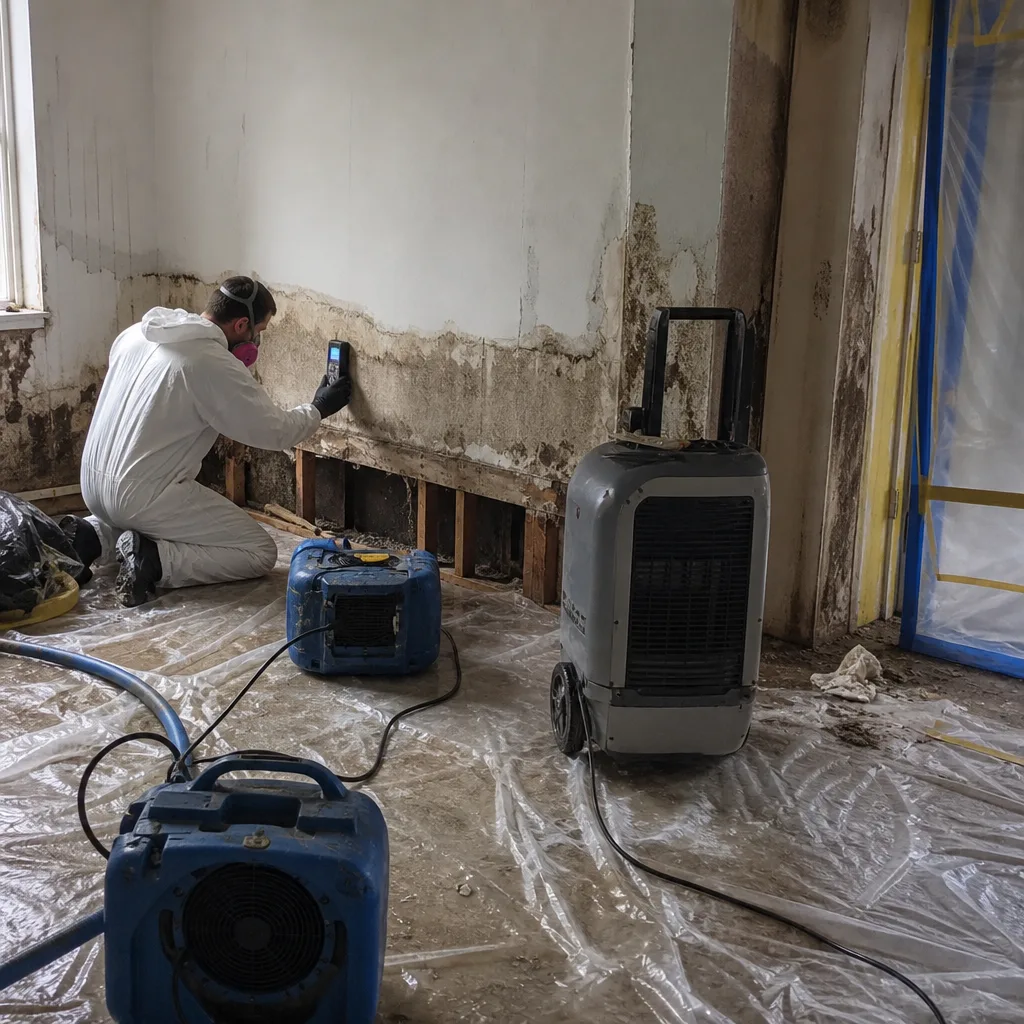 Before
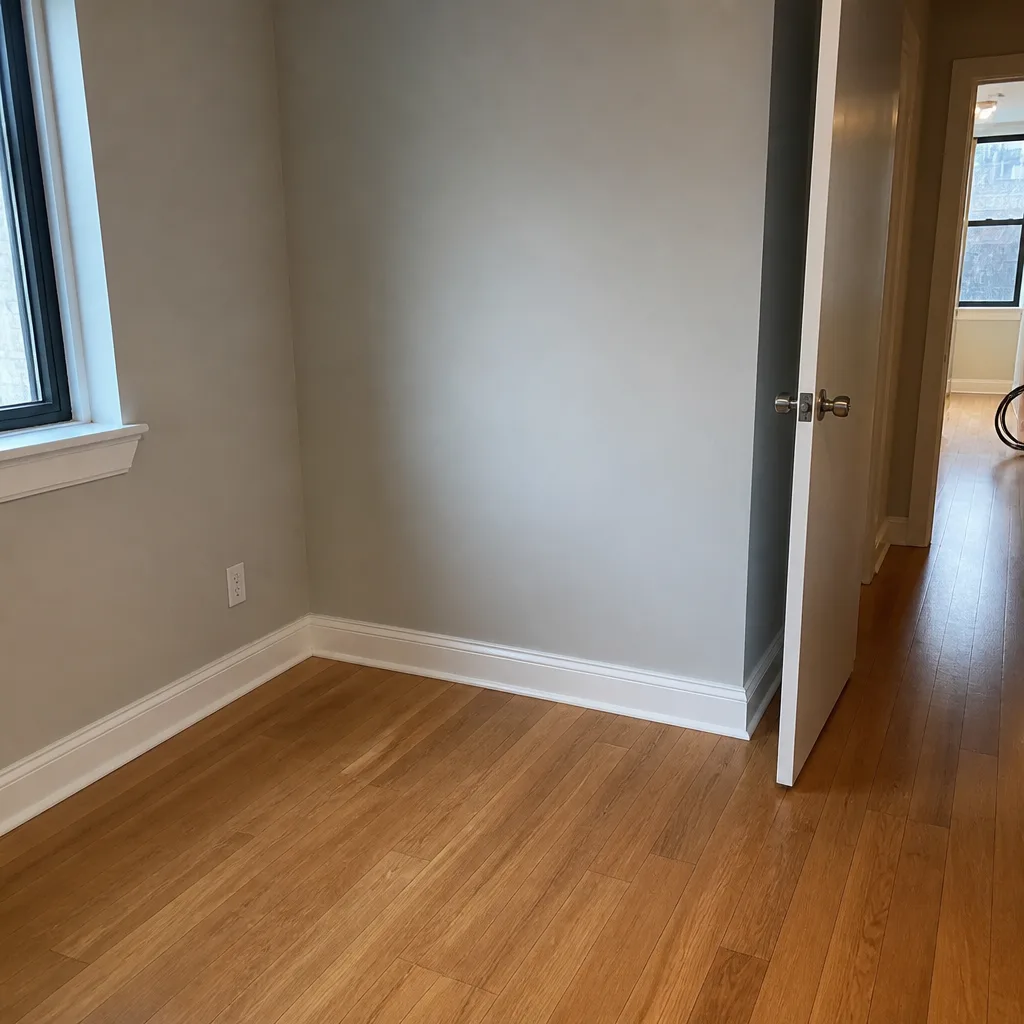 After
After24/7 Emergency Reconstruction & Cleanup in Upper East Side
Water moves fast through a prewar building. When a riser fails on the 14th floor off Park Avenue or a supply line bursts in a Fifth Avenue co-op, damage reaches the apartments below within minutes, not hours. Our Upper East Side reconstruction crews respond around the clock, every day of the year. Call (845) 305-5737 and a live dispatcher answers. Not a recording. We coordinate board-approved access, start extraction the same visit, and document everything your HO-6 and the building’s master policy carrier will demand. The first hour determines whether you’re drying plaster or replacing it.
Understanding Reconstruction & Cleanup Severity in Upper East Side Properties
Upper East Side buildings from 1900 to 1940 were framed with horsehair-and-lath plaster over wood lath. That material drinks water slowly and hides it for weeks. What looks dry on the surface can still register 25% moisture content four inches deep. We use thermal imaging and penetrating moisture meters to map what you cannot see. Category 1 water from a clean supply line is manageable if extraction starts immediately. Category 2 water from a dishwasher or washing machine overflow carries contaminants. Category 3 water from a sewage backup or East River storm surge contains pathogens and requires full containment, antimicrobial treatment, and often wall cavity removal. In Carnegie Hill and other Landmarks Preservation Commission districts, that removal must be done with materials matching the original construction. Severity is not just about how much water, but where it traveled inside a 1920s wall assembly and whether the co-op board will allow demolition during the week’s available window.
Why Upper East Side Property Owners Choose Floodline Restoration Co.
- 45-minute response commitment. We stage crews near the Upper East Side so a certified team reaches your building fast, even when the board requires a super to escort us in.
- A live person answers, 24/7. Calls at 2 a.m. get a dispatcher who can authorize a crew, not a voicemail that waits until morning.
- IICRC-certified technicians. Our crews hold WRT and ASD certifications, and we train to RIA and IFA standards. Background-checked, uniformed, and briefed on co-op access rules before they arrive.
- Free visual inspection. We assess the damage, map the moisture, and give you a written scope before any work is authorized.
- Direct insurance billing. We bill the carrier directly and handle adjuster communication, so you are not the messenger between your HO-6 policy and the building’s master policy.
- One team from extraction to reconstruction. The same certified crew that extracts and dries is the crew that rebuilds. No mid-job handoff to an unfamiliar subcontractor.
Our Reconstruction & Cleanup Process
Inspection & Assessment
We arrive with thermal imaging cameras, hygrometers, and penetrating moisture meters. Every affected room is mapped, photographed, and logged. In a co-op, we also document what belongs to the building corporation versus what falls under your HO-6 policy.
Extraction & Stabilization
Truck-mounted and portable extraction units remove standing water. We stabilize sagging plaster ceilings and remove waterlogged contents to a safe staging area. Work happens inside the board’s permitted hours.
Drying & Dehumidification
Dri-Eaz dehumidifiers and XPOWER air movers run continuously, with moisture readings logged every four hours. In a prewar plaster wall, drying takes longer than drywall. We measure until the dry standard is met, not until the surface feels dry.
Cleaning & Sanitization
HEPA air scrubbers filter airborne particulates while we clean salvageable surfaces. Antimicrobial treatments are applied where Category 2 or 3 water was present. Contents are cleaned, dried, and documented for your claim.
Contents Restoration & Pack-Out
Books, rugs, upholstery, and clothing get packed out, inventoried, and restored off-site when necessary. The inventory is photographic and line-itemed, which is exactly what a claims adjuster needs to see.
Repairs & Reconstruction
Horsehair plaster patched to match, parquet floors sanded and refinished, moldings replaced with period-appropriate profiles. In landmarked buildings, we coordinate documentation and material choices with the board and LPC requirements before the first cut.
Need Emergency Reconstruction & Cleanup in Upper East Side Now?
Crews minutes away, answering live 24 hours a day. The sooner we start, the less it costs.
Working With Your Insurance Company
An Upper East Side water loss means two policies in the room. The building’s master policy typically covers the co-op’s structure behind your walls. Your HO-6 policy covers your interior finishes, floors, moldings, and contents. When water comes from an upstairs neighbor’s unit, their liability coverage may also be involved. We document from the first hour with photographs, moisture logs, and a line-item scope written to industry standards. We speak directly with adjusters, provide drying-lens readings on the schedule they require, and bill the carrier directly. You should not have to translate a drying log into insurance language. That is our job.
What We Provide Your Insurer
- Thorough documentation of the loss
- Photos of all damage, room by room
- Moisture readings and drying logs
- A detailed, line-item scope of work
- Direct coordination with your carrier
Built for Upper East Side’s Loss Calendar
January and February freeze-thaw cycles stress the rooftop water-tank housings, parapets, and terrace drains on East End Avenue and York Avenue buildings. A cracked drain line inside a wall can leak for weeks before anyone notices the plaster blooming. March brings thaw and the season’s first heavy rains, testing aging cast-iron risers and roof membranes. Summer thunderstorms arrive fast and dump inches in an hour, overwhelming terrace drains and sending water under doors and through windows on setback floors. Hurricane season runs June through November, and buildings close to the East River remember Sandy. In co-ops, the damage pattern is almost always vertical: water travels down through stacked units, spreading laterally at each floor plate. That is why our Upper East Side crews arrive ready to assess multiple units in one building, not just the apartment that called.
Serving Upper East Side, NY - Our Local Coverage Area
We’re based in the Upper East Side area and know this community well. Use the map below to see our service coverage - if you’re nearby, we can almost certainly help.
Reconstruction & Cleanup Across Upper East Side’s Neighborhoods
Carnegie Hill presents the tightest constraints. Historic district rules can trigger LPC review for any material change, and we match original horsehair-and-lath plaster and period moldings rather than substituting modern materials. Along Fifth Avenue and Park Avenue, the prewar co-ops are older, the finishes more valuable, and the boards more particular about contractor documentation. Yorkville and the blocks east of Lexington Avenue have more mid-rise and postwar buildings mixed with prewar stock, where access tends to be simpler but riser failures remain just as common. East End Avenue buildings sit closest to the river, so basements and ground-floor mechanical rooms carry chronic elevated humidity that complicates drying even before a loss. Lenox Hill, south of 77th, has many older mid-rise co-ops where the same vertical-loss pattern applies but where service elevators and narrower stairwells make equipment staging a planning exercise of its own. Each corridor has its own rhythm, and after 42 years serving New York City, we know which building type we’re walking into before we arrive.
How do Upper East Side co-op work-hour rules affect emergency water extraction?
They compress the window dramatically. Most UES boards prohibit noisy work before 8 a.m. or after 5 p.m. on weekdays and ban it entirely on weekends. That leaves roughly nine working hours a day to extract, set drying equipment, and log readings. We run simultaneous equipment across all affected units and document every four hours to meet the benchmarks your adjuster needs within a timeline the building itself makes difficult.
Will reconstruction in a prewar UES apartment require Landmarks Preservation Commission approval?
Possibly. If your building is in the Carnegie Hill Historic District or another LPC-designated district, changes to exterior elements, interior features visible from the street, or protected interior details may require LPC review. Interior work that matches original materials and does not alter protected elements often proceeds without a permit. We know which conditions trigger LPC involvement and prepare documentation accordingly.
Who pays for reconstruction when water damage comes from an upstairs neighbor’s unit?
Typically the neighbor’s liability coverage, but the mechanics depend on fault and the building’s governing documents. Your HO-6 policy covers your interior finishes and contents, and your carrier may subrogate against the neighbor’s carrier. We document everything so both sides and the building’s master policy carrier have a clear record of origin, extent, and drying.
Can mold start before the building allows us back in for full demolition?
Yes, and it often does. Mold can begin in 48 to 72 hours on wet organic materials. If a board delays demolition to a weekday window, we run dehumidifiers and air scrubbers in the interim and document conditions daily. The earlier we’re on site, the less likely you’ll need full mold remediation instead of reconstruction.
Do we need a pack-out service when a prewar UES apartment has water damage in the walls?
Often yes. If demolition opens wall cavities in a prewar apartment, dust and debris will spread. Books, textiles, upholstery, and clothing should be packed out, cleaned, and stored off-site until reconstruction finishes. We inventory every item photographically, which protects your claim and gives the board assurance that the apartment will be left orderly.
How fast can you actually get to an Upper East Side apartment?
We commit to 45 minutes for emergency response. Crews are staged near the neighborhood, and our dispatcher coordinates board access requirements before they arrive. In a vertical-loss situation affecting multiple units, we send enough technicians to set equipment across all affected floors in one visit.
How much does reconstruction and cleanup cost in Upper East Side?
A small, contained supply-line leak in a single prewar bathroom might run $2,500 to $5,000 for extraction, drying, and plaster repair. A multi-unit riser failure with pack-out and period-finish reconstruction in a co-op can range from $25,000 to $90,000 or more depending on finishes and the number of rooms. The free inspection gives you a written scope and a firm number before work starts.
What should I do in the first 30 minutes after I find water damage?
Shut off the water if you can identify the source safely. Move small rugs and valuables out of the water path. Photograph everything with your phone. Then call (845) 305-5737. Do not wait for the building super to call a plumber first; extraction and drying need to start, and every hour of contact between water and plaster matters.
Written by Curt Bowman, Owner at Floodline Restoration Co., serving Upper East Side since 2010.