

Free visual inspection and a written scope of work before any mitigation begins - photos, moisture readings, and drying logs go in your claim file
The scope we write is the scope we bill. Anything new gets shown to you, in writing, before we touch it.
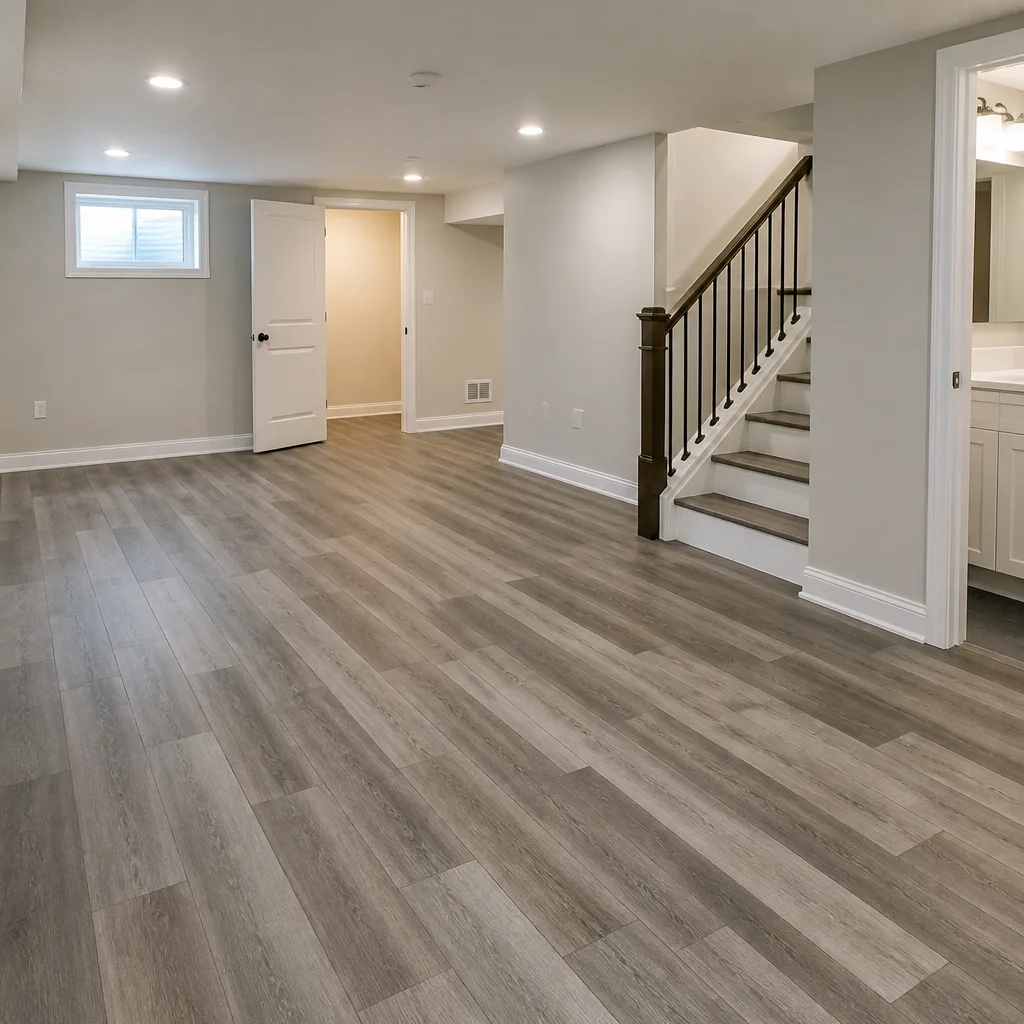
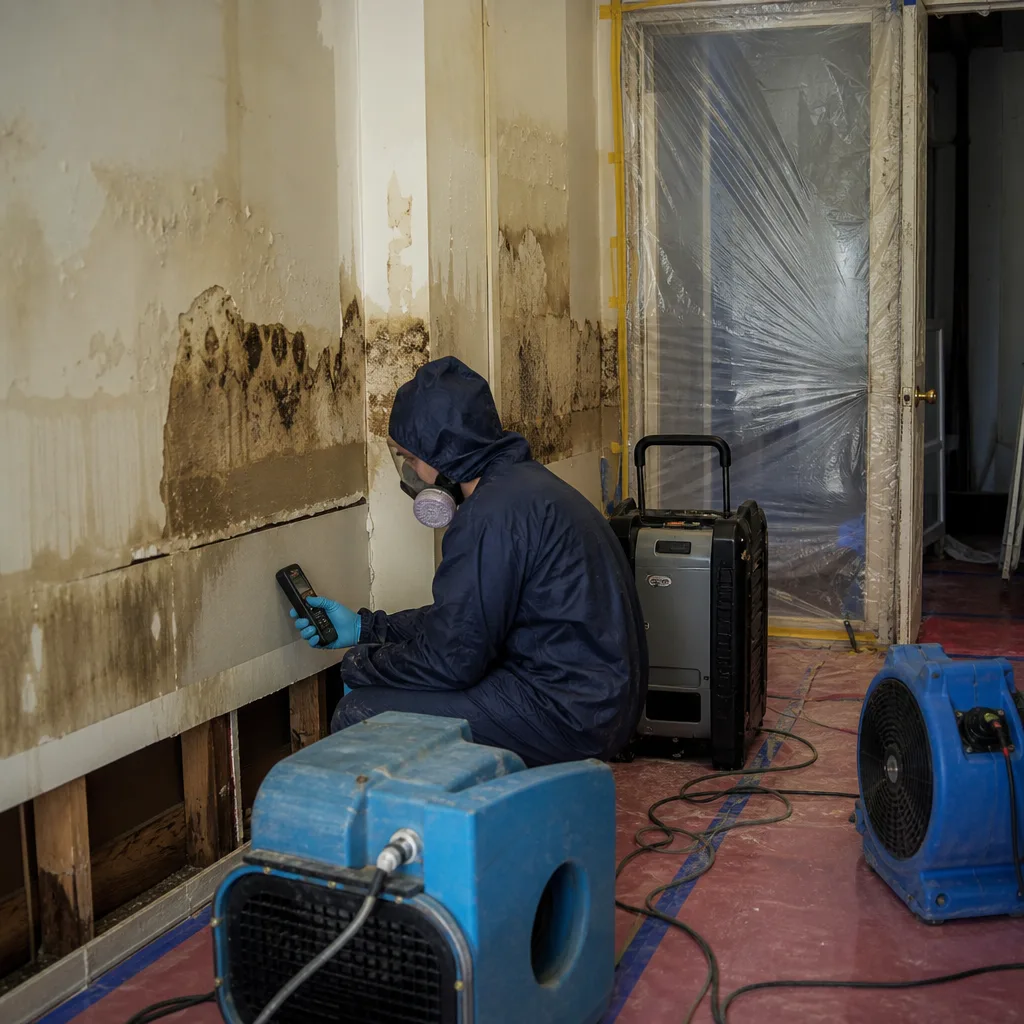 Before
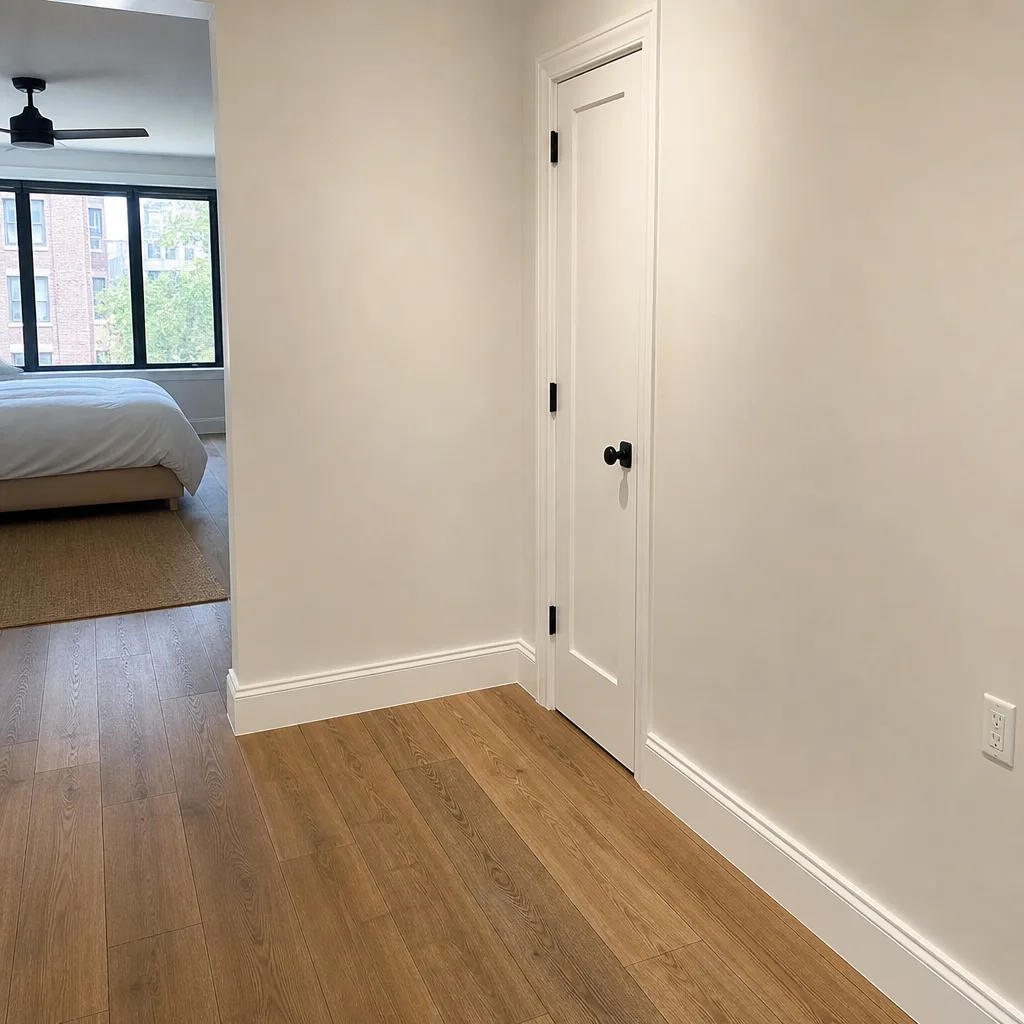 After
After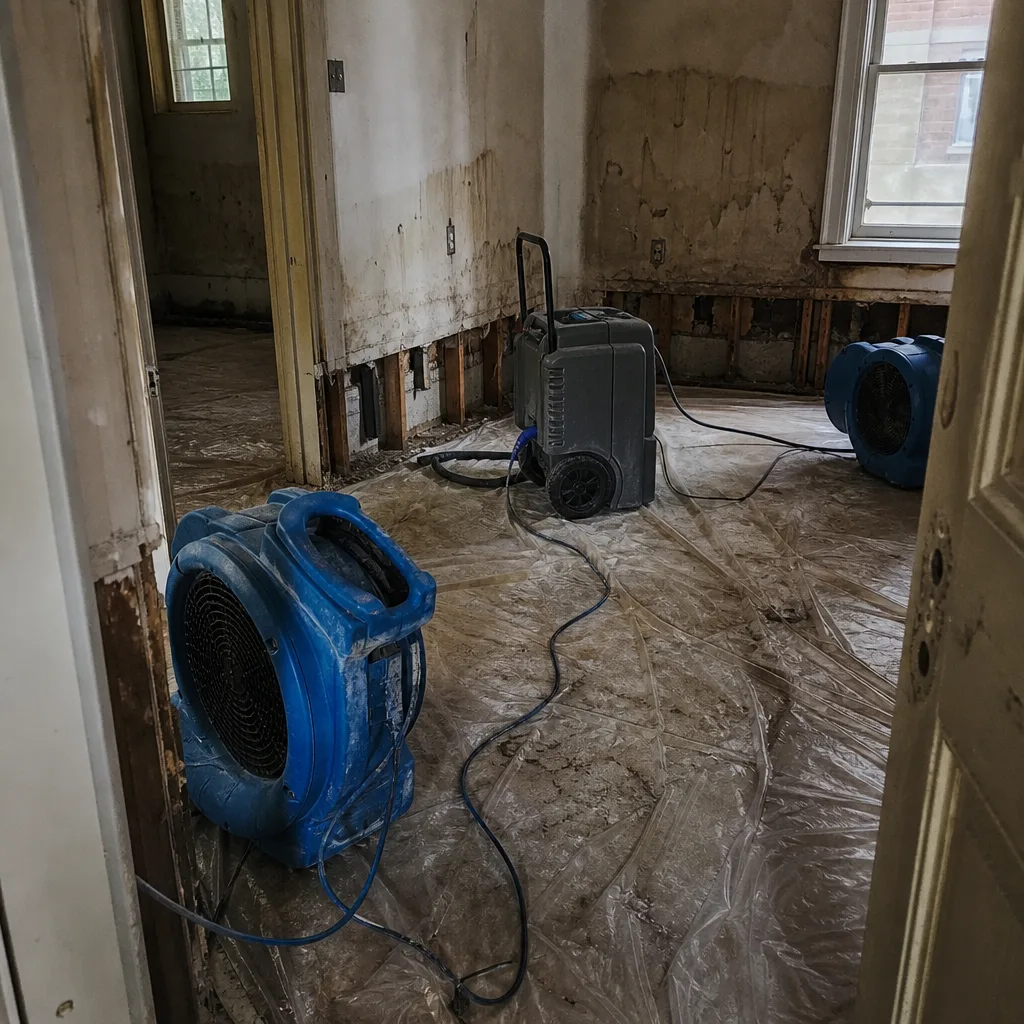 Before
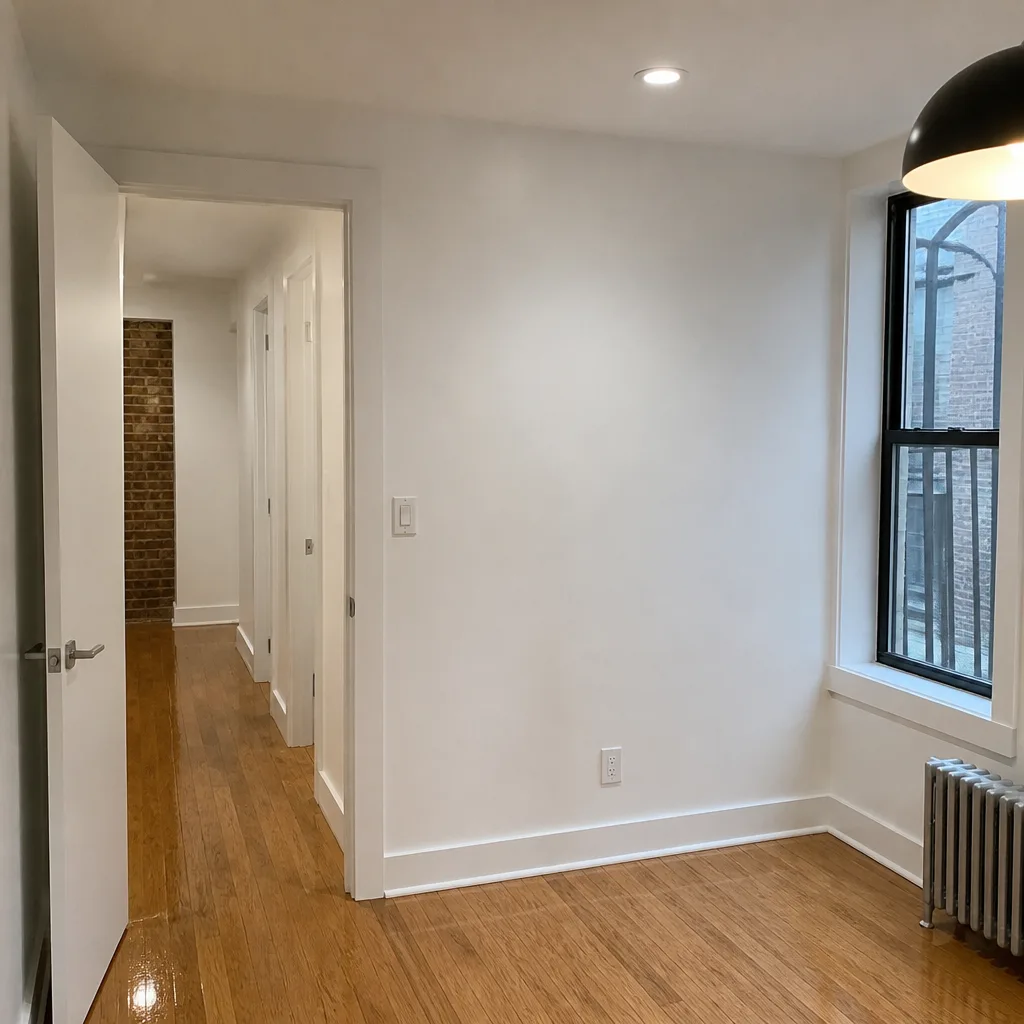 After
After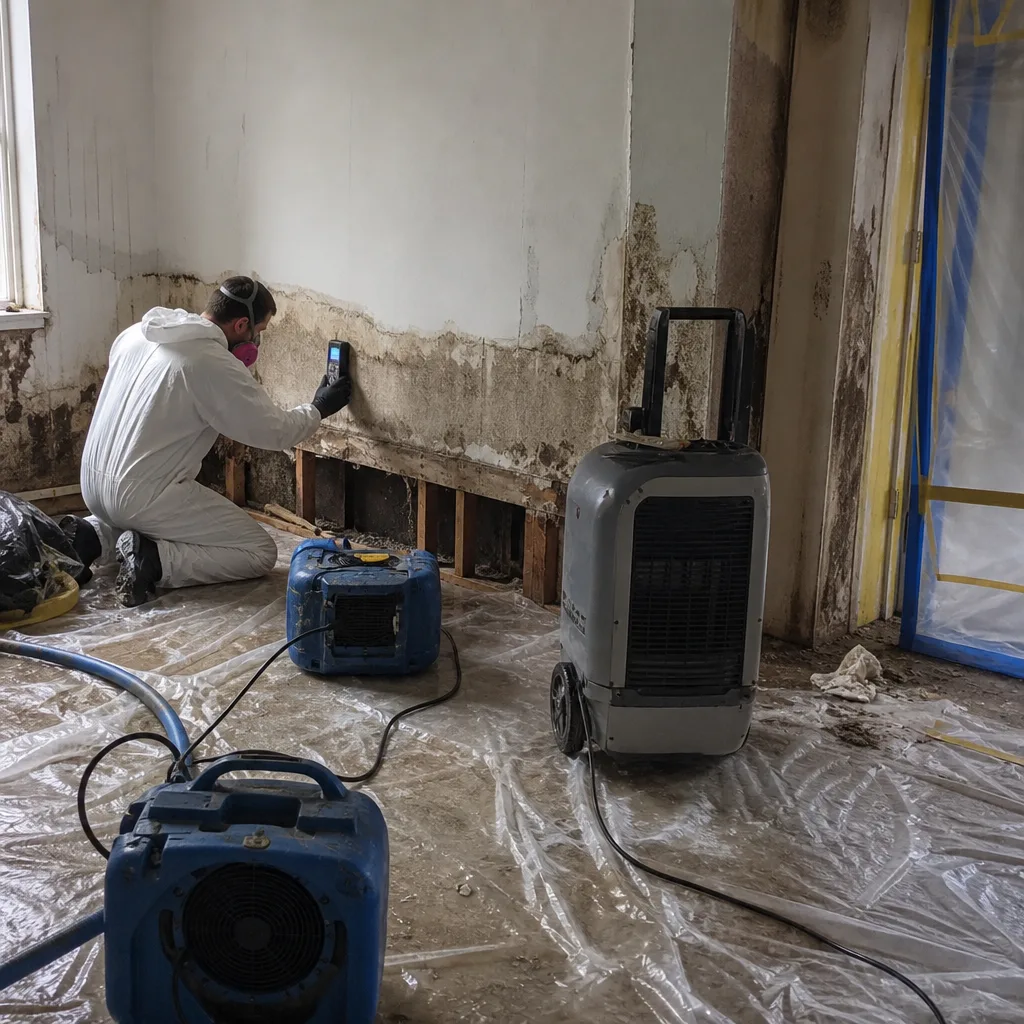 Before
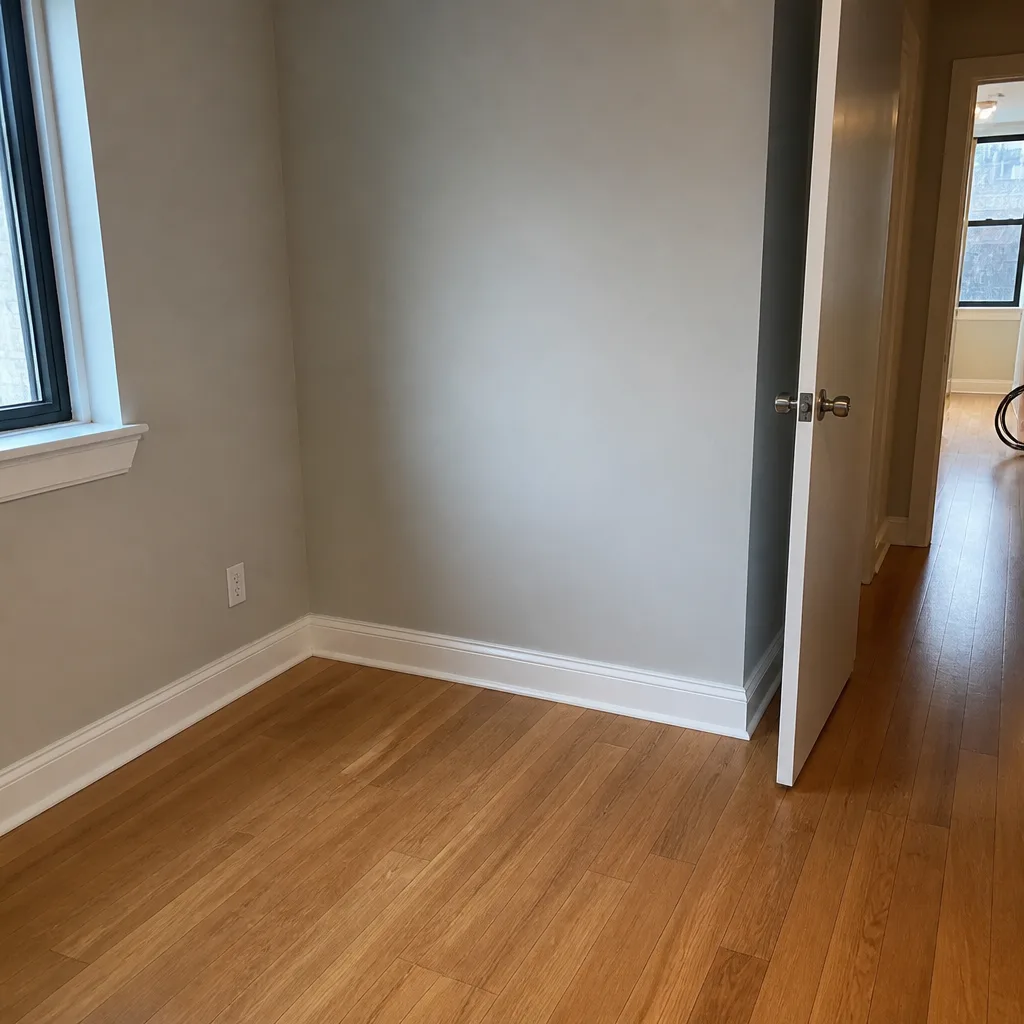 After
After24/7 Emergency Mold Remediation in Upper East Side
Mold remediation in Upper East Side co-ops and condos costs between $1,800 and $9,500 depending on square footage, containment complexity, and whether the building’s work-hour rules compress the drying schedule. We answer the phone live at (845) 305-5737 around the clock, and a crew can be dispatched to your building the same day you call. The first 24 hours matter because mold colonies double every 24 to 48 hours once moisture sits. In a prewar building with horsehair-and-lath plaster, that timeline moves faster than you’d think. A live dispatcher picks up at 2 a.m., not a recording, and we’ll walk you through the first steps before the crew arrives.
Understanding Mold Remediation Severity in Upper East Side Properties
Mold severity breaks into three working levels. Level 1 is surface growth under 10 square feet, typically from a slow sink leak or condensation behind a radiator cover. Level 2 is colonized moisture migration, usually from a Category 2 grey-water riser leak or a failed terrace drain that has wicked into adjoining walls. Level 3 is what we see after a top-floor parapet leak sat unnoticed for weeks: hidden colonies spanning multiple rooms, behind built-in bookcases, inside original plaster crown molding cavities, and along subfloor under herringbone parquet. Upper East Side buildings from 1900 to 1940 have plaster that absorbs water slowly and releases it even slower. That means a leak from a cast-iron riser on the 14th floor can still be drying out on the 12th floor three weeks later. Containment, negative air pressure, HEPA scrubbing, and clearance testing aren’t optional here. They’re the only way to prove to a co-op board and an HO-6 adjuster that the job is actually done.
Why Upper East Side Property Owners Choose Floodline Restoration Co.
- 45-minute response commitment in Upper East Side: We dispatch from our New York City office, and a crew is on the move the same visit. Live answer, no callback queue.
- 24/7 live answer, every day: A person picks up. Always. At 2 a.m. you’ll talk to a dispatcher who can send a truck, not a voicemail.
- IICRC-certified crews: Our technicians hold WRT, FSRT, and AMRT certifications. They know how to read a moisture map in a prewar co-op, not just a suburban basement.
- Free visual inspection: We’ll walk the affected unit, check the riser line, and tell you honestly whether you need full remediation or spot treatment. No charge for the assessment.
- Direct insurance billing: We bill your carrier directly and coordinate with the co-op’s master policy adjuster and your HO-6 adjuster. You don’t play messenger.
- One team from extraction to reconstruction: The same certified crew that sets containment also handles the rebuild. No mid-job handoff to an inherited subcontractor.
Our Mold Remediation Process
Inspection & Assessment
We start with thermal imaging and moisture meters across the affected unit. In a prewar co-op, that means checking adjacent units on the same riser line, because water travels down before it travels out. We document everything from the first hour.
Containment & Stabilization
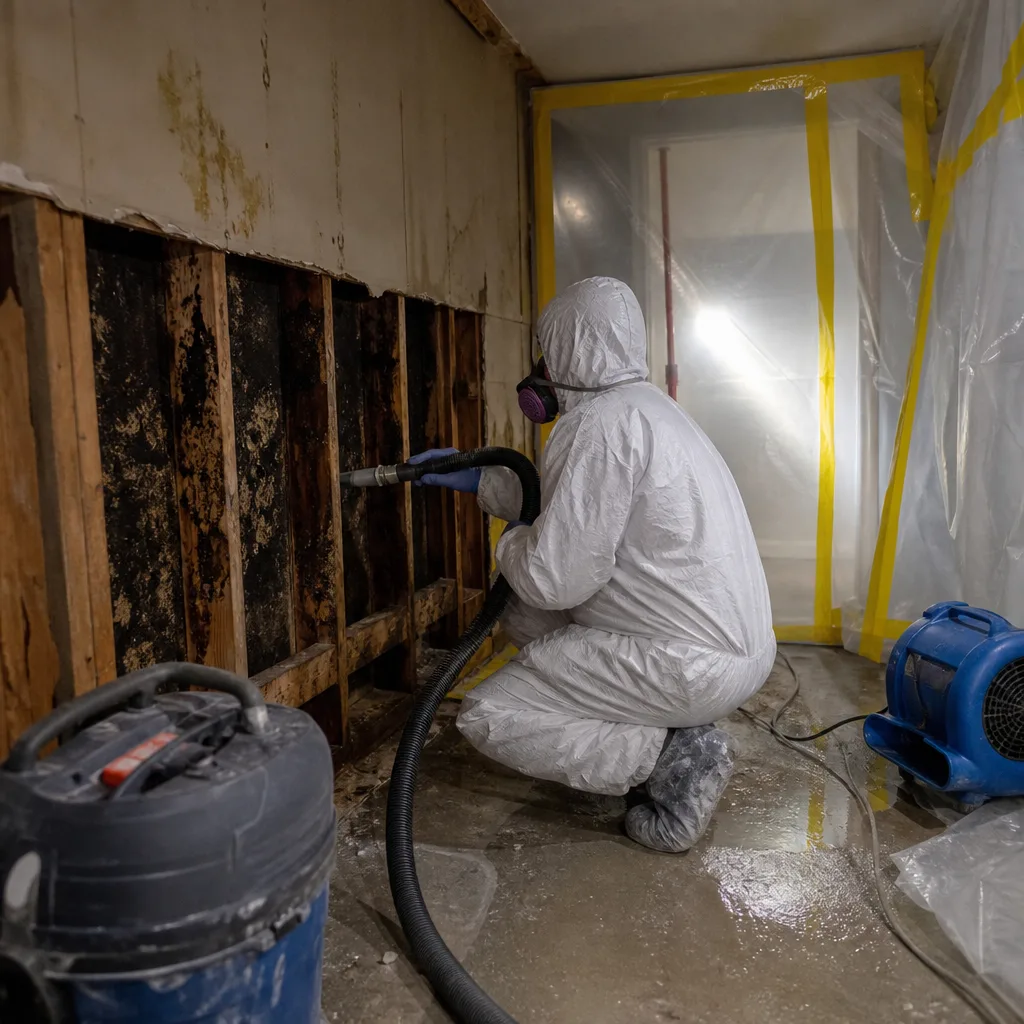
We set up negative air pressure with HEPA filtration and seal the affected areas with 6-mil poly. In a building with work-hour restrictions, we stage equipment so it runs efficiently inside the allowed window.
Drying & Dehumidification
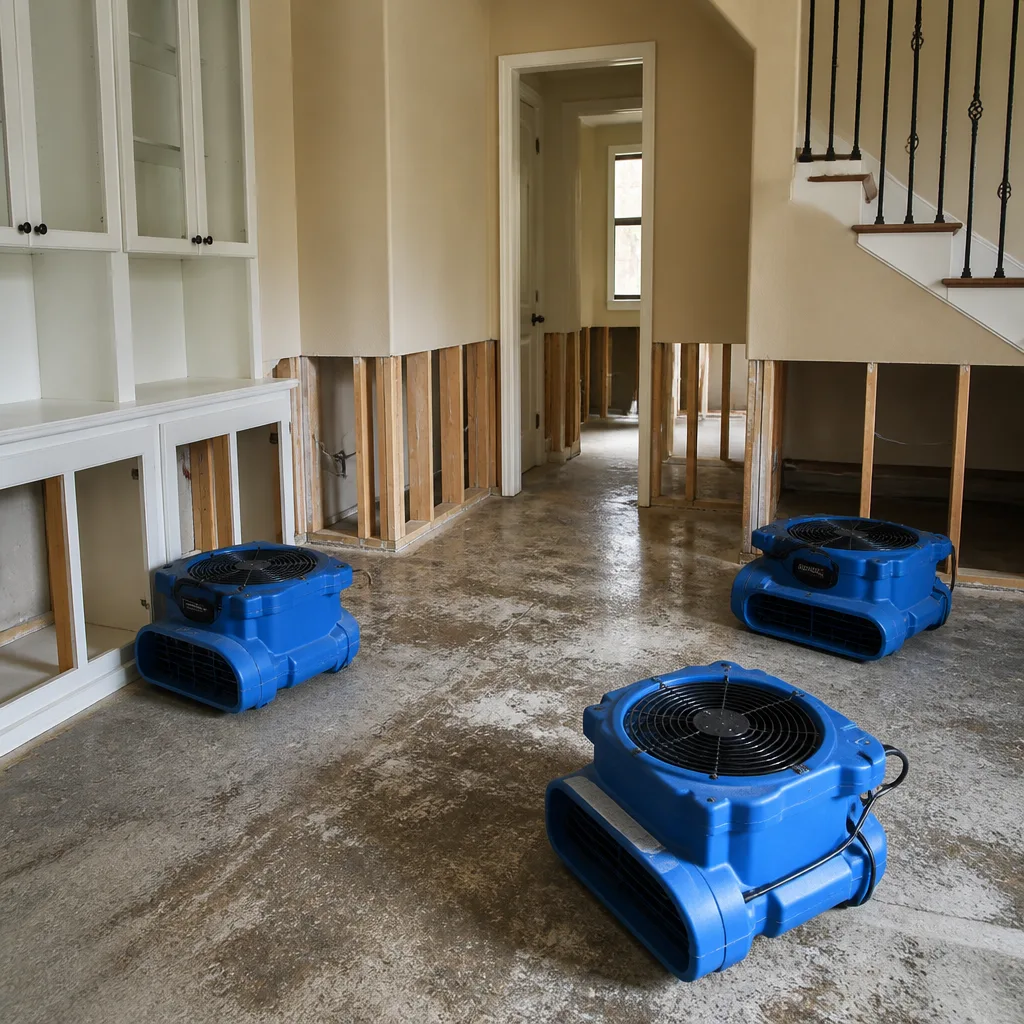
Dri-Eaz dehumidifiers and Phoenix air movers run on a moisture map, not a guess. Horsehair-and-lath plaster dries slower than drywall, so we log daily readings until the dry standard is met. You and your adjuster get the log.
Cleaning & Antimicrobial Treatment
We remove colonized material, HEPA-vacuum surfaces, and apply antimicrobial treatment to salvageable framing and original plaster. Ornamental moldings get special care, because replacing them in a Carnegie Hill landmark building is not a simple trip to the lumberyard.
Air Scrubbing & Clearance Testing
HEPA air scrubbers run throughout remediation, and we conduct clearance testing before containment comes down. If you need third-party verification for a co-op board, we’ll coordinate it.
Repairs & Restoration
The same crew that dried the building rebuilds what needed removal. Plaster repair, parquet floor restoration, paint, custom millwork. We restore the pre-loss condition, not just “close enough.”
Need Emergency Mold Remediation in Upper East Side Now?
Crews minutes away, answering live 24 hours a day. The sooner we start, the less it costs.
Working With Your Insurance Company
In an Upper East Side co-op, a mold claim almost always involves two policies. The building’s master policy covers the building systems: the riser, the roof parapet, the terrace drain. Your HO-6 policy covers finishes inside your unit. We’ve handled enough of these to know that adjusters want documentation, not narrative. From the first hour, we photograph every affected surface room by room, log moisture readings daily, and produce a line-item scope of work that matches the actual conditions, not a template. We talk directly to your adjuster and to the building’s engineer. You don’t shuttle documents back and forth. If the master policy and HO-6 coverage overlap, we’ll document the loss in a way that makes that split clear from day one.
What We Provide Your Insurer
- Thorough documentation of the loss
- Photos of all damage, room by room
- Moisture readings and drying logs, updated every 24 hours
- A detailed, line-item scope of work
- Direct coordination with your carrier and the co-op’s engineer
Built for Upper East Side’s Loss Calendar
The Upper East Side has a mold season that runs year-round, but it spikes in specific months. January deep freezes burst supply lines in older co-ops along Madison and Park Avenue, sending water down stacked units before anyone notices. Spring thaw hits terrace drains and parapets, especially in top-floor lines on Fifth Avenue and East End Avenue where decades of freeze-thaw cycling has cracked the original masonry. Summer thunderstorms overwhelm aging roof drains, and that water finds the path of least resistance through the building’s cast-iron riser sleeves. Nor’easters in October and November drive wind-driven rain into brick facades and window frames, and in prewar buildings those walls hold moisture long after the storm passes. We schedule our crews around this calendar, because we know when your building is most likely to call. The honest truth is that most Upper East Side mold problems start as water problems that sat too long before anyone noticed a stain on the ceiling.
Mold Remediation Across Upper East Side’s Neighborhoods
Response routes through the Upper East Side follow the building stock. In Carnegie Hill, the historic district south of 96th Street between Fifth and Park, Landmarks Preservation Commission oversight means original plaster moldings and wood paneling must be saved, not demoed. Our techs use controlled drying and antimicrobial treatment on ornamental work before we ever consider removal. Along York Avenue and East End Avenue, buildings sit close to the East River, and that proximity shows up as chronic humidity in basement mechanical rooms and ground-floor storage. Crawl space treatment and humidity control matter more there than anywhere else in the neighborhood. The mid-rise co-ops of the East 70s and 80s between Second and Third Avenues carry a different risk: aging cast-iron risers and vertical waste stacks that crack and leak grey water behind kitchen walls. A leak on the 9th floor shows up as mold on the 7th floor ceiling two weeks later. We know these buildings, and we know that a mold job on one floor usually means checking the units above and below the same riser line.
Specialized Mold Remediation Services We Offer in Upper East Side
Mold Inspection & Testing
We inspect the affected unit and the adjoining spaces on the same riser line. In Upper East Side co-ops, a visible patch of mold is rarely the whole story. Thermal imaging and air sampling give you an honest picture of whether you’re dealing with a surface issue or a hidden colony behind original plaster.
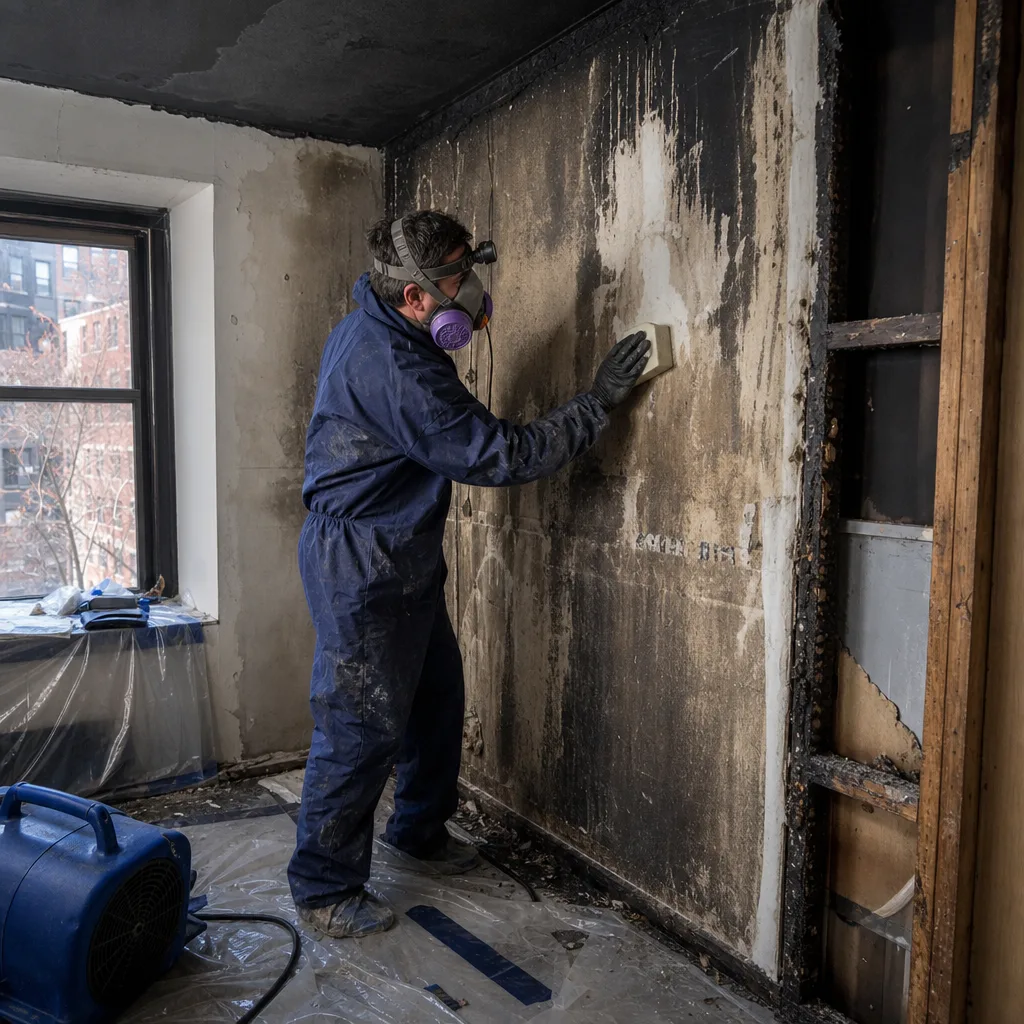
Mold Removal
Removal means physically taking out colonized material under containment. In a prewar co-op, that often means working around built-in bookcases, original millwork, and herringbone parquet that must be protected, not replaced. We document what we remove and why, and we never gut a wall without showing you the moisture readings that justify it.
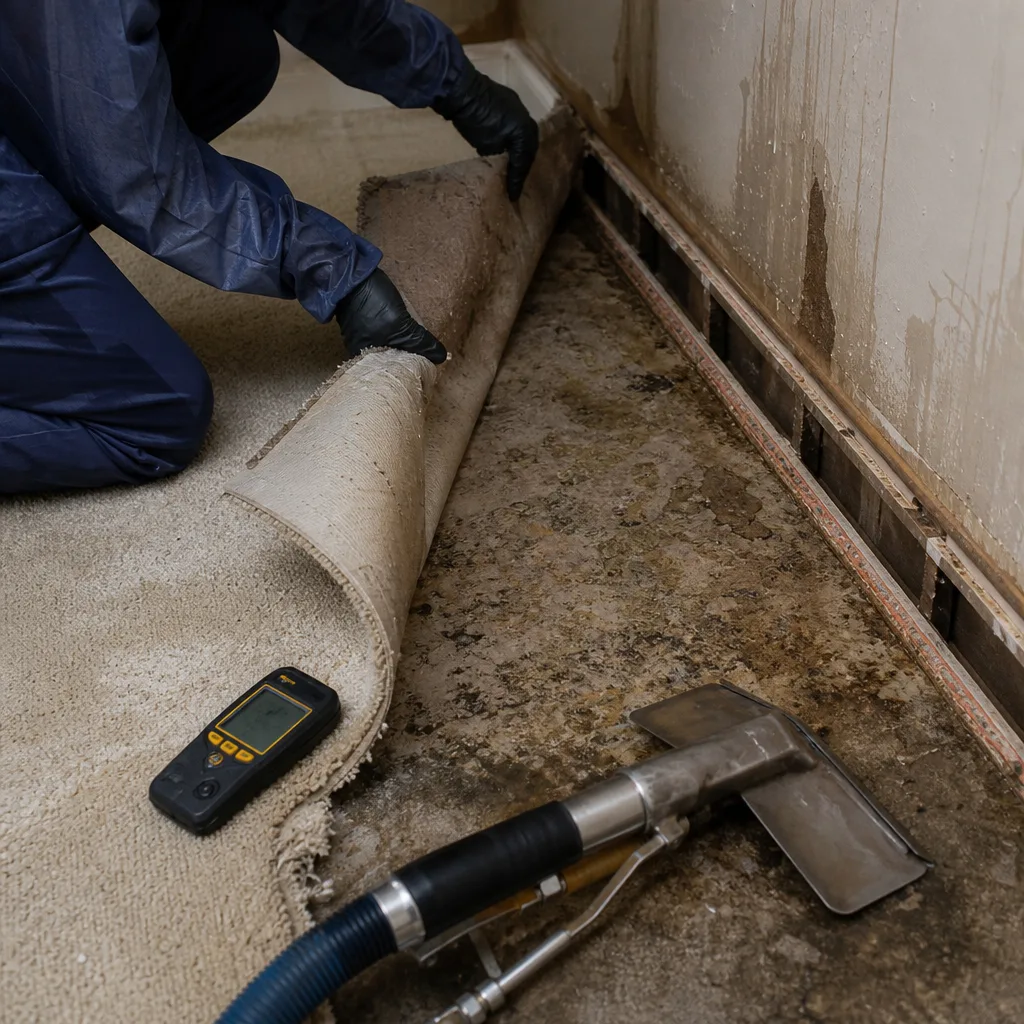
Black Mold Remediation
Stachybotrys, the strain people call “black mold,” shows up most often after a Category 2 or 3 water event that sat for more than 48 hours. The East End Avenue parapet leak we traced a few years back was a textbook case: the colony had spread across three stacked apartments before anyone saw the ceiling stain. Full containment, HEPA scrubbing, and clearance testing are non-negotiable on that type of job.
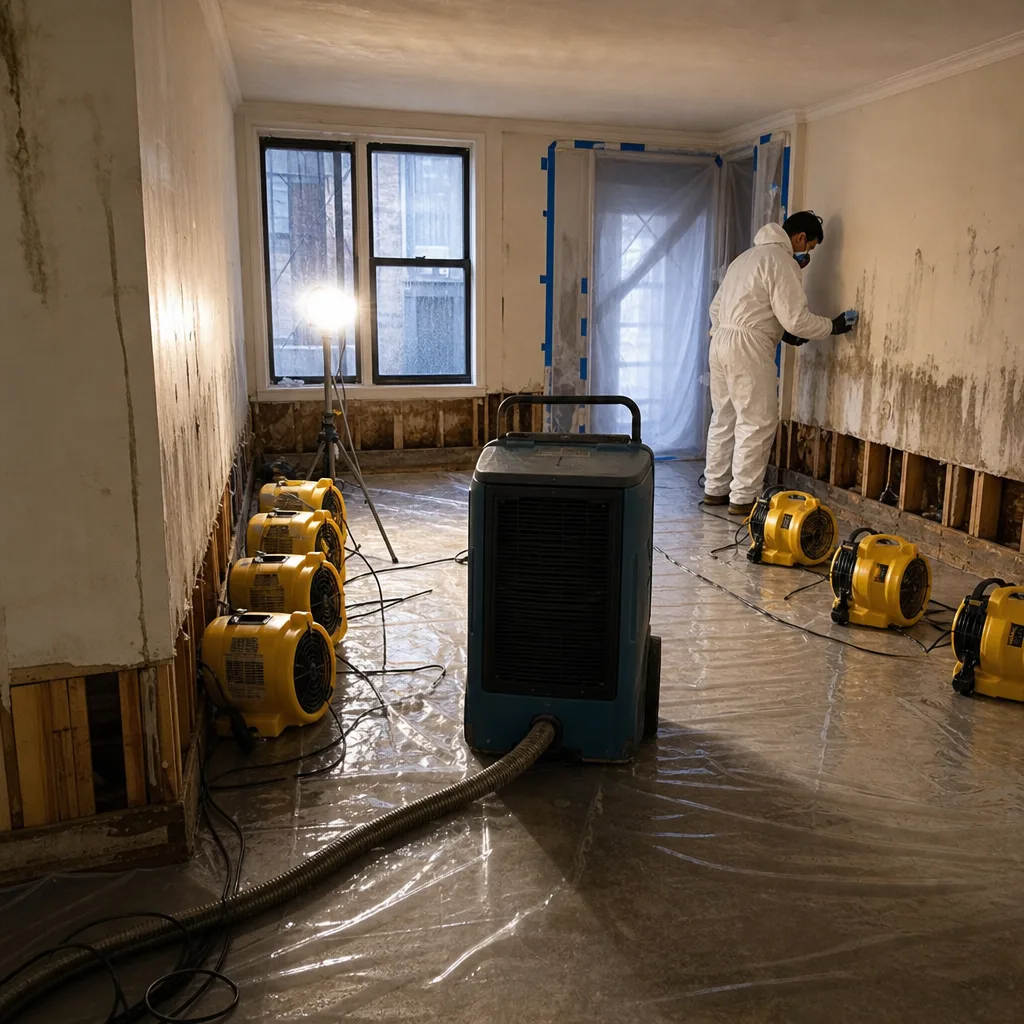
Air Quality Restoration
After remediation, the air inside a prewar unit still carries the history of the leak. We run HEPA air scrubbers throughout the process and verify clearance before containment comes down. For shareholders with allergies or respiratory conditions, air quality restoration is the difference between a completed job and a lingering complaint.
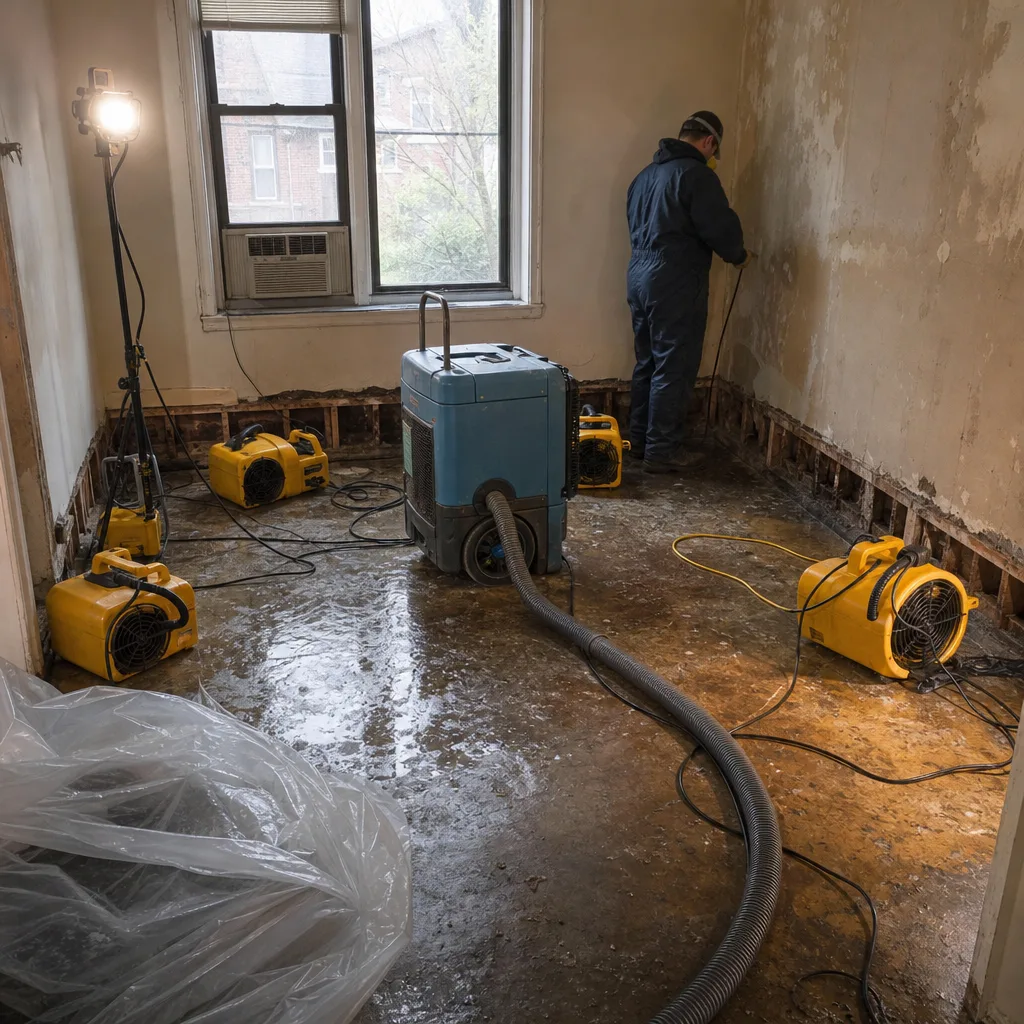
Crawl Space Treatment
Ground-floor co-op units and basement storage spaces along York and East End Avenue fight chronic moisture. Crawl space encapsulation, vapor barrier installation, and dehumidification keep humidity below the threshold where mold can grow. It’s preventative work, but it’s the kind of work that stops a $4,000 remediation job two years later.
What happens when you call
- 1
A real person answersNo phone trees - you reach a local pro.
- 2
You get an upfront price rangeHonest numbers before anyone is dispatched.
- 3
A background-checked tech heads outLicensed & insured, dispatched right away.
- 4
You approve before work beginsNothing starts until you say go.
Mold Remediation Costs in Upper East Side, NY
Mold remediation in Upper East Side typically runs between $1,800 and $9,500. A small surface job, like a bathroom ceiling patch under 10 square feet, starts around $1,800. A full-unit remediation with containment across multiple rooms, HVAC cleaning, and clearance testing sits in the $5,000 to $8,000 range. The jobs that climb higher are the stacked-unit scenarios: a riser leak that requires simultaneous moisture mapping in ten vertically stacked apartments, with drying logs submitted to two adjusters and a co-op board on a compressed schedule. Insurance coverage splits between the building’s master policy and your HO-6, and the line between them moves case by case. The fastest way to a firm number is a free visual inspection. We’ll tell you what actually needs doing, not what a template says.
We Also Serve Cities Near Upper East Side
From our New York City office, we serve the neighborhoods around Upper East Side including Upper West Side co-ops, Upper Manhattan prewar buildings, Morningside Heights condos, and Central Harlem brownstones. If your building is anywhere in Manhattan, call us and we’ll tell you straight whether we’re the right crew for the job.
Serving Upper East Side, NY - Our Local Coverage Area
We’re based in the Upper East Side area and know this community well. Use the map below to see our service coverage - if you’re nearby, we can almost certainly help.
Upper East Side Mold Remediation Questions, Answered
Can a co-op board in the Upper East Side require us to use their approved mold remediation contractor instead of Floodline Restoration Co.?
Yes, a co-op board can require shareholders to use an approved contractor list, but you have more leverage than you think. We’ve worked with boards across the Upper East Side, and we’re used to submitting our IICRC certifications, insurance certificates, and a detailed scope of work for board review. If your board requires it, we’ll apply for approval. We keep our paperwork current and our insurance limits high, specifically so boards don’t have to reject us on a technicality. Call (845) 305-5737 and we’ll walk you through the process.
How do you dry out a prewar horsehair-and-lath plaster wall after a category 2 grey-water leak on the Upper East Side without gutting the original molding?
We don’t gut first and ask questions later. We use moisture mapping to find the wet zones, then run Phoenix air movers and Dri-Eaz dehumidifiers on a schedule that respects the building’s drying characteristics. Horsehair-and-lath plaster releases moisture slowly, so we extend the drying cycle rather than tearing it out. Antimicrobial treatment is applied to salvageable plaster and original molding before the wall is closed back up. The molding stays. The moisture leaves. We document the readings so your adjuster sees why the timeline is longer than a drywall job.
Can we run dehumidifiers and air movers overnight in a Fifth Avenue co-op with a weekend work ban?
No, and we won’t push it. Many Upper East Side co-ops prohibit noisy work before 8 a.m. and after 5 p.m. on weekdays, with full bans on weekends. Running equipment anyway gets the contractor banned from the building and leaves the homeowner exposed. We run equipment inside the allowed hours and use low-noise air movers to maximize output per hour. The drying timeline compresses, but the building’s rules don’t bend. We’ve worked this schedule many times, and we know how to hit the dry standard within the windows we’re given.
How do you handle mold behind a built-in bookcase in a prewar co-op without damaging the original wood paneling?
We build containment around the affected area and remove only the material that’s actually colonized. For a built-in bookcase, that often means carefully cutting away the lower section, treating the framing behind it, and leaving the original wood paneling in place where it’s salvageable. The same crew that builds containment rebuilds the bookcase. It’s detail work, and not every mold company does it. We do it because half the units we work in on the Upper East Side have original millwork that can’t be replaced.
Why do two apartments on the same riser line sometimes show different mold readings after one leak on the Upper East Side?
Because water travels down the path of least resistance, and that path is different in every unit. A leak on the 10th floor can show heavy mold in the 9th floor ceiling but only minor moisture in the 8th, depending on where the water wicked through plaster, floors, and framing. We map moisture in every affected unit on the riser line, not just the one with the visible stain. That’s the only way to prove to the co-op and the adjuster that the remediation is complete.
How fast can someone actually get here?
Within 45 minutes for emergency calls in Upper East Side. A live dispatcher answers at (845) 305-5737, and a crew is dispatched the same visit. The first priority is stopping the water and setting containment so the mold doesn’t spread while you wait.
Will my insurance cover mold remediation in an Upper East Side co-op?
It depends on the source of the water and the language in your HO-6 policy. Sudden and accidental events, like a burst riser or a storm-driven roof leak, are typically covered. Long-term seepage or chronic condensation often is not. We bill directly to your carrier and document the loss from day one so the claim has a fighting chance. If the master policy and HO-6 overlap, we’ll coordinate with both adjusters.
Should we stay in the apartment during mold remediation?
Usually not during active remediation, especially in a prewar building where containment is set up inside the unit. We’ll tell you honestly based on the scope. For small surface jobs under 10 square feet, you may be able to stay in the unit. For full containment with negative air pressure and HEPA scrubbing, you’ll want to be elsewhere until clearance testing comes back clean.
Written by Curt Bowman, Owner at Floodline Restoration Co., serving Upper East Side since 2010.